



AD
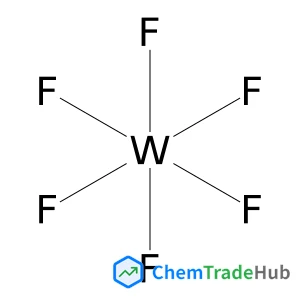
Tungsten hexafluoride(CAS: 7783-82-6)
CAS Number
Related Products
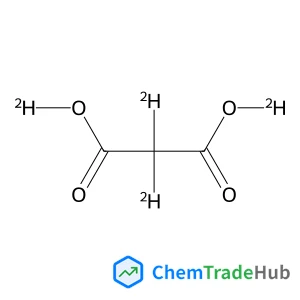
(~2~H_2_)Propane(~2~H_2_)dioic acid
CAS Number: 813-56-9
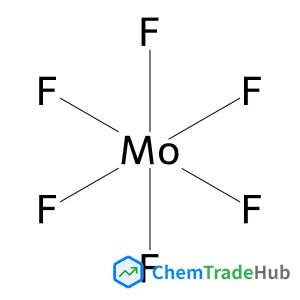
Molybdenum(6+) hexafluoride
CAS Number: 7783-77-9
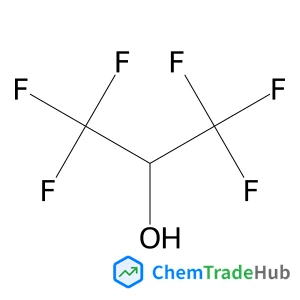
1,1,1,3,3,3-Hexafluoro-2-propanol
CAS Number: 920-66-1
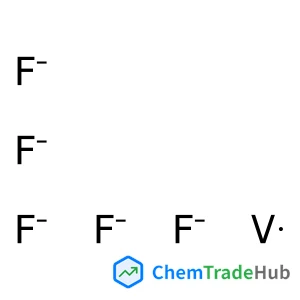
vanadium(+2) cation pentafluoride
CAS Number: 7783-72-4
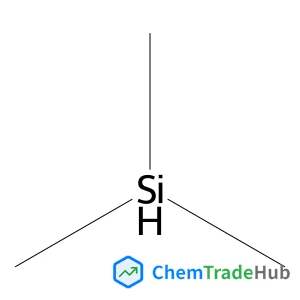
Silane, trimethyl-
CAS Number: 993-07-7
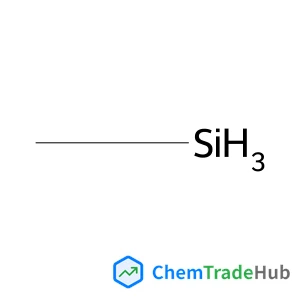
Methylsilane
CAS Number: 992-94-9
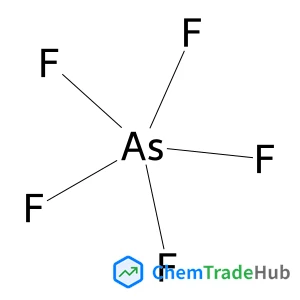
Pentafluoroarsorane
CAS Number: 7784-36-3
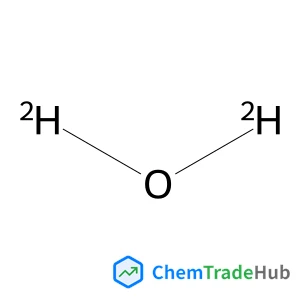
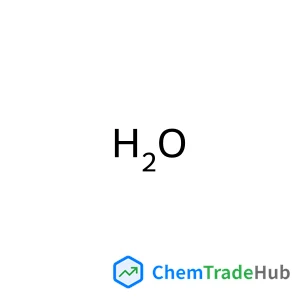
(~2~H_2_)Water
CAS Number: 7789-20-0
Other Suppliers for Tungsten hexafluoride

Basic Information
Molecular Formula
F6W3
Molecular Weight
297.83 g/mol
Physical Properties
Melting Point
2 ºC
Boiling Point
17 ºC
Density
d15liq 3.441
Chemical Identifiers
SMILES
F[W](F)(F)(F)(F)F
InChIKey
UIQMILRINTVNIV-UHFFFAOYSA-H
Database References
MDL Number
MFCD00040536
FAQ
Tungsten hexafluoride (CAS: 7783-82-6) is regulated under several guidelines. It falls under GHS classification as a toxic and flammable gas. For European markets, it is subject to the REACH regulations. In the USA, FDA and EPA have specific requirements for its use in medical and industrial applications, respectively. Proper handling, storage, and disposal methods must comply with these guidelines to ensure safety and regulatory compliance.
While tungsten hexafluoride (CAS: 7783-82-6) is a potent Lewis acid, alternatives include other fluorinated compounds like tetrafluoromethane or other tungsten compounds such as tungsten trichloride. These alternatives can be used depending on the specific chemical reactions and requirements. It is important to evaluate the reactivity and safety of these alternatives before use.
Tungsten hexafluoride (CAS: 7783-82-6) is primarily used in the semiconductor industry for etching processes. Research trends are focusing on its application in advanced materials and its potential in nanotechnology. Market trends indicate increasing demand driven by the semiconductor industry, but also growing interest in its use in new applications like gas sensors and other advanced materials.
Waste containing tungsten hexafluoride (CAS: 7783-82-6) should be collected and stored in airtight containers to prevent leakage. It should be disposed of through professional waste disposal services to ensure safe handling and disposal. Environmental precautions include proper ventilation and monitoring for any leaks. Incineration is a common method for disposal, but it must be carried out under controlled conditions to minimize environmental impact.
Safety Notice
Please verify product specifications and safety data before use. Contact the supplier for detailed safety information.
Always follow proper handling procedures
Contact Information
info@wechem.cn