



AD
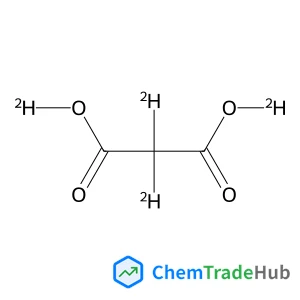
(~2~H_2_)Propane(~2~H_2_)dioic acid(CAS: 813-56-9)
CAS Number
Related Products

Tungsten hexafluoride
CAS Number: 7783-82-6
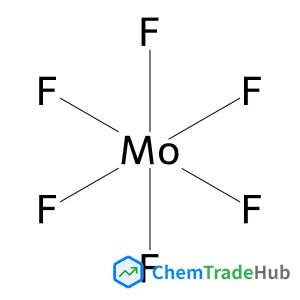
Molybdenum(6+) hexafluoride
CAS Number: 7783-77-9
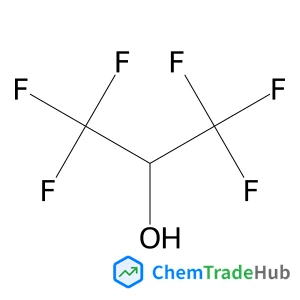
1,1,1,3,3,3-Hexafluoro-2-propanol
CAS Number: 920-66-1
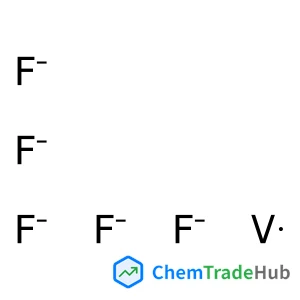
vanadium(+2) cation pentafluoride
CAS Number: 7783-72-4
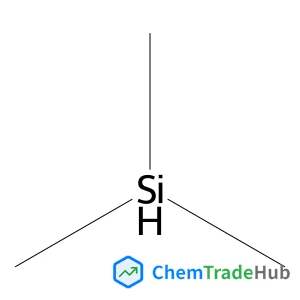
Silane, trimethyl-
CAS Number: 993-07-7
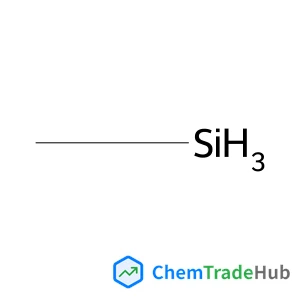
Methylsilane
CAS Number: 992-94-9

Pentafluoroarsorane
CAS Number: 7784-36-3
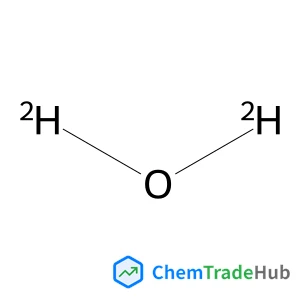
(~2~H_2_)Water
CAS Number: 7789-20-0
Other Suppliers for (~2~H_2_)Propane(~2~H_2_)dioic acid





Basic Information
Molecular Formula
C3D4O4
Molecular Weight
108.09 g/mol
Physical Properties
Melting Point
132-135 °C (dec.) (lit.)
Chemical Identifiers
SMILES
[2H]C([2H])(C(=O)O[2H])C(=O)O[2H]
InChIKey
OFOBLEOULBTSOW-BGOGGDMHSA-N
Database References
MDL Number
MFCD00002710
FAQ
Propane-1,2-dioic acid (CAS: 813-56-9) is subject to various regulatory guidelines. It falls under the GHS (Globally Harmonized System of Classification and Labelling of Chemicals) and is classified as a corrosive substance. In the European Union, it is regulated under REACH, requiring manufacturers and importers to register substances with ECHA. FDA and EPA regulations also apply for its use in food contact materials and environmental discharge respectively.
There are several alternatives to Propane-1,2-dioic acid in synthesis, including succinic acid and malic acid. These are often used due to their similar structure and properties, making them suitable for alternative routes in chemical synthesis. Other options include isomers and analogs, such as propane-1,3-dioic acid, which can be chosen based on specific reaction requirements and availability.
The market for Propane-1,2-dioic acid (CAS: 813-56-9) is steadily growing due to its applications in the production of polymers and as a chemical intermediate. Research trends are focusing on its use in sustainable and biodegradable materials. Additionally, there is increasing interest in its potential uses in pharmaceuticals and as a biocatalyst in green chemistry. The demand is driven by the expanding polymer and pharmaceutical industries.
Waste containing Propane-1,2-dioic acid (CAS: 813-56-9) should be handled carefully due to its corrosive nature. Waste should be collected in appropriate containers and stored separately to prevent contamination. Proper incineration or professional waste disposal services should be utilized to ensure safe disposal. Environmental protection measures, such as neutralization before disposal, should also be followed to minimize environmental impact.
Safety Notice
Please verify product specifications and safety data before use. Contact the supplier for detailed safety information.
Always follow proper handling procedures
Contact Information
info@wechem.cn