



AD
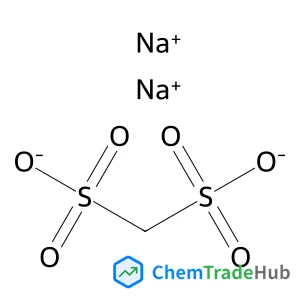
Disodium methanedisulfonate(CAS: 5799-70-2)
CAS Number
Related Products
![1-[4-Amino-3-chloro-5-(trifluoromethyl)phenyl]-2-[(2-methyl-2-propanyl)amino]ethanol hydrochloride (1:1)](https://static.chemtradehub.com/structs/542/54240-36-7-06e4.webp)
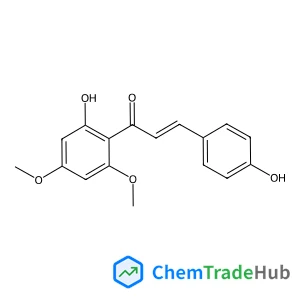
2',4-Dihydroxy-4',6'-dimethoxychalcone
CAS Number: 37308-75-1
![8-({(3R,4R,5S)-3-[(4,4-Difluorocyclohexyl)methoxy]-5-methoxy-4-piperidinyl}amino)-3-methyl-5-(5-methyl-3-pyridinyl)-1,7-naphthyridin-2(1H)-one](https://static.chemtradehub.com/structs/199/1997369-78-4-ea15.webp)
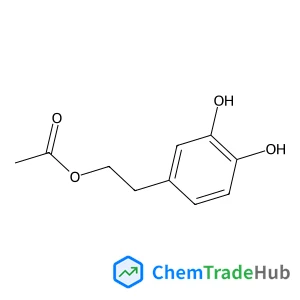
2-(3,4-Dihydroxyphenyl)ethyl acetate
CAS Number: 69039-02-7
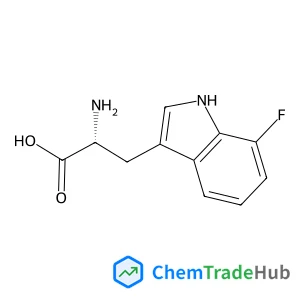
7-Fluorotryptophan
CAS Number: 138514-98-4
![5-[(1S)-1-{(1R,2R)-2-[(1R,3R)-2,2-Dimethyl-3-(3-oxobutyl)cyclopropyl]-1-methyl-3-oxocyclopentyl}-3-methylbutyl]-2,4,6-trihydroxyisophthalaldehyde](https://static.chemtradehub.com/structs/221/221899-21-4-fc5c.webp)
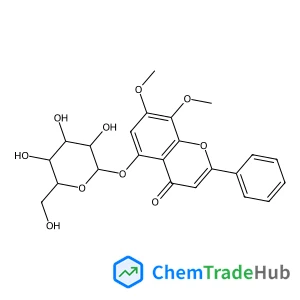
Andrographidine C
CAS Number: 113963-39-6
![(2E)-3-(6-Bromo-2-pyridinyl)-2-cyano-N-[(1S)-1-phenylethyl]acrylamide](https://static.chemtradehub.com/structs/857/857064-38-1-2c6b.webp)
Other Suppliers for Disodium methanedisulfonate


Basic Information
Molecular Formula
CH2Na2O6S2
Molecular Weight
220.14 g/mol
Physical Properties
Melting Point
>300°C
Chemical Identifiers
SMILES
C(S(=O)(=O)[O-])S(=O)(=O)[O-].[Na+].[Na+]
InChIKey
ZZTMMVAAULUFCS-UHFFFAOYSA-L
Database References
MDL Number
MFCD00144750
FAQ
Disodium methanedisulfonate (CAS: 5799-70-2) is regulated by various organizations including the REACH regulation in the European Union, which requires manufacturers and importers to register substances above a certain tonnage threshold with the European Chemicals Agency (ECHA). Additionally, it falls under the Globally Harmonized System of Classification and Labelling of Chemicals (GHS), which provides guidelines for the classification and labeling of hazardous chemicals. In the United States, the Environmental Protection Agency (EPA) and the Food and Drug Administration (FDA) may have specific requirements for its use and handling based on its potential hazards.
There are several alternatives to Disodium methanedisulfonate (CAS: 5799-70-2) that can be used in synthesis, including other methanedisulfonates and their sodium or other salt forms. Common alternatives include methyl methanedisulfonate and sodium methanesulfonate. These alternatives can offer similar functional groups for reactivity but may differ in toxicity and handling requirements, making them suitable for specific applications in organic synthesis.
The market for Disodium methanedisulfonate (CAS: 5799-70-2) is primarily driven by its use in organic synthesis and as a reagent in analytical chemistry. Research trends indicate a growing interest in its applications in medicinal chemistry and materials science. The demand for this compound is expected to increase as it continues to be used in developing new drug molecules and polymer synthesis. Market trends also reflect the need for safer and more environmentally friendly reagents, which has led to the exploration of its use in green chemistry processes.
Waste containing Disodium methanedisulfonate (CAS: 5799-70-2) should be handled according to local regulations and safety guidelines. Typically, it should be collected in appropriate containers lined with impermeable materials to prevent leakage. This waste should then be disposed of through specialized waste disposal services, which may include incineration or chemical treatment to neutralize the compound. Proper environmental protection measures, such as wearing appropriate personal protective equipment (PPE) and ensuring proper ventilation, should be taken during handling and disposal to minimize exposure and environmental impact.
Safety Notice
Please verify product specifications and safety data before use. Contact the supplier for detailed safety information.
Always follow proper handling procedures
Contact Information
2851167780@qq.com
Mobile
13348961525
Fax
028-81705658
Visit Website
https://www.weikeqi-biotech.com