



AD
5-Chloro-2-hydroxybenzaldehyde(CAS: 635-93-8)

CAS Number
Related Products
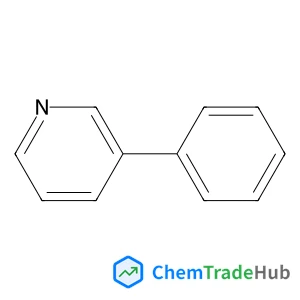
3-Phenylpyridine
CAS Number: 1008-88-4

2,3,4-Trifluoro-6-nitroaniline
CAS Number: 148416-38-0


4-Bromo-2-fluoro-5-methylbenzaldehyde
CAS Number: 916792-23-9

4-Bromo-1H-indole-2,3-dione
CAS Number: 20780-72-7

2-Hydroxy-3-methoxybenzaldehyde
CAS Number: 148-53-8
2-methyl-1,1-diphenyl-prop-1-ene
CAS Number: 761-33-9

2-Amino-3-bromo-5-methylbenzoic acid
CAS Number: 13091-43-5

Other Suppliers for 5-Chloro-2-hydroxybenzaldehyde




Basic Information
Molecular Formula
C7H5ClO2
Molecular Weight
156.57 g/mol
Physical Properties
Melting Point
100-102 °C (lit.)
Boiling Point
228.8°C at 760 mmHg
Density
1.2683 (rough estimate)
Flash Point
92.2℃
Chemical Identifiers
SMILES
C1=CC(=C(C=C1Cl)C=O)O
InChIKey
FUGKCSRLAQKUHG-UHFFFAOYSA-N
Database References
MDL Number
MFCD00003331
Beilstein Registry Number
0636632
FAQ
5-Chloro-2-hydroxybenzaldehyde is an aromatic compound with the chemical formula C9H7ClO2. It is a white or colorless crystalline solid with a phenolic and aldehyde odor. It is commonly used in the synthesis of dyes, pharmaceuticals, and fragrances.
5-Chloro-2-hydroxybenzaldehyde is primarily used in the production of dyes, pharmaceuticals, and fragrances. It serves as a precursor in the synthesis of various organic compounds and has applications in the research and development of new materials and chemicals.
5-Chloro-2-hydroxybenzaldehyde is generally safe when handled properly. However, it can be toxic if ingested or inhaled. It is important to wear protective gloves, goggles, and a lab coat when working with this compound. Keep it away from open flames and ensure proper ventilation.
5-Chloro-2-hydroxybenzaldehyde should be stored in a cool, dry place away from direct sunlight and moisture. It should be kept in a tightly sealed container to prevent exposure to air and moisture. Store it at room temperature (15-25°C) and avoid temperatures above 30°C to maintain its stability and minimize degradation.
Safety Notice
Please verify product specifications and safety data before use. Contact the supplier for detailed safety information.
Always follow proper handling procedures