



AD
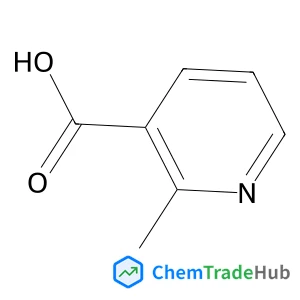
2-Methylnicotinic acid(CAS: 3222-56-8)
CAS Number
Related Products
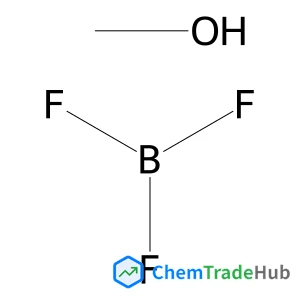
methanol; trifluoro-methoxy-boron
CAS Number: 2802-68-8
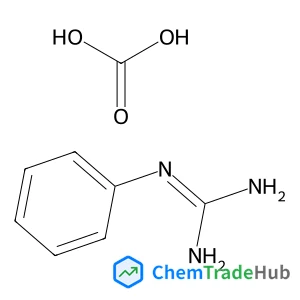
Carbonic acid - 1-phenylguanidine (1:1)
CAS Number: 6685-76-3
![1,7,7-Trimethylbicyclo[2.2.1]heptane-2,3-dione](https://static.chemtradehub.com/structs/103/10373-78-1-714c.webp)
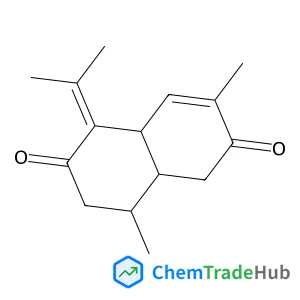
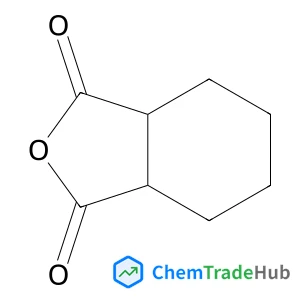
octahydro-2-benzofuran-1,3-dione
CAS Number: 85-42-7
![1-[(4xi)-beta-D-(~13~C_5_)-erythro-Pentofuranosyl]-1H-1,2,4-triazole-3-carboxamide](https://static.chemtradehub.com/structs/164/1646818-35-0-ea01.webp)
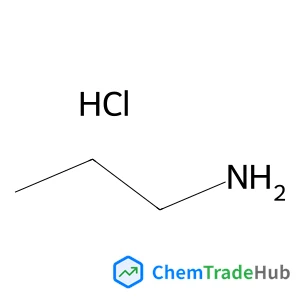
1-Propanamine hydrochloride (1:1)
CAS Number: 556-53-6
![1,1,2,2-Tetrafluoro-1-[2-(1,1,2,2-tetrafluoroethoxy)ethoxy]ethane](https://static.chemtradehub.com/structs/358/358-39-4-0089.webp)
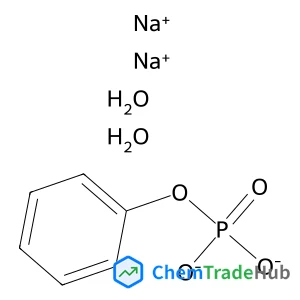
Other Suppliers for 2-Methylnicotinic acid



Basic Information
Molecular Formula
C7H7NO2
Molecular Weight
137.14 g/mol
Physical Properties
Melting Point
227°C(dec.)(lit.)
Boiling Point
280.4℃ at 760 mmHg
Density
1.23
Flash Point
123.4℃
Chemical Identifiers
SMILES
CC1=C(C=CC=N1)C(=O)O
InChIKey
HNTZKNJGAFJMHQ-UHFFFAOYSA-N
Database References
MDL Number
MFCD00013449
FAQ
2-Methylnicotinic acid (CAS: 3222-56-8) is regulated under the Globally Harmonized System of Classification and Labeling of Chemicals (GHS), REACH regulations, and may be subject to FDA and EPA requirements for its use in food and pharmaceutical applications. Specifically, it must comply with GHS classifications for health hazards and environmental hazards. REACH requires detailed documentation on the chemical's properties and potential impact on the environment and human health. Additionally, FDA and EPA regulations ensure its safe handling and use in consumer and industrial products.
Yes, there are alternative reagents to 2-Methylnicotinic acid (CAS: 3222-56-8) in synthesis. Common alternatives include other nicotinic acid derivatives, such as methylanthranilic acid or similar substituted nicotinic acids. These alternatives can offer similar functionalities but with different chemical properties, making them suitable for various synthetic pathways. The choice of alternative depends on the specific requirements of the synthesis, including reactivity, solubility, and cost.
The market for 2-Methylnicotinic acid (CAS: 3222-56-8) is growing due to increasing demand in pharmaceutical and agricultural sectors. Research trends focus on its potential applications in drug development, particularly as a precursor in the synthesis of drugs and biologically active compounds. Additionally, there is growing interest in its use as an intermediate in the production of other chemical compounds and in the development of novel materials. Market trends indicate a steady increase in research and development activities, driven by its versatile chemical properties.
Waste containing 2-Methylnicotinic acid (CAS: 3222-56-8) should be managed according to local and international regulations. Collect waste in appropriate containers, ensuring they are lined and sealed to prevent leaks. Incineration is a common method for waste disposal, but professional waste disposal services should be used to ensure compliance with environmental regulations. Environmental precautions include proper labeling and documentation of waste, and adherence to safety protocols to protect against potential health hazards. Handling should be done by trained personnel to ensure safety and regulatory compliance.
Safety Notice
Please verify product specifications and safety data before use. Contact the supplier for detailed safety information.
Always follow proper handling procedures