



AD
L-Tyrosine ethyl ester(CAS: 949-67-7)
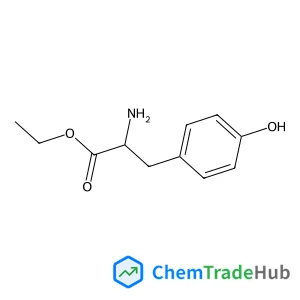
CAS Number
Related Products
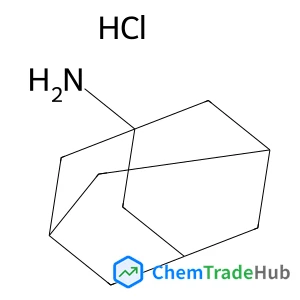
1-Amino Adamantane HCl (Amantadine HCl)
CAS Number: 665-66-7
![3-[9-({4-[(2,5-Dioxo-1-pyrrolidinyl)oxy]-4-oxobutyl}[(4-methylphenyl)sulfonyl]carbamoyl)-10-acridiniumyl]-1-propanesulfonate](https://static.chemtradehub.com/structs/199/199293-83-9-e07b.webp)
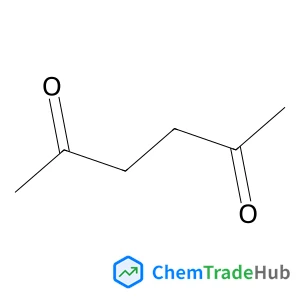
2,5-Hexanedione
CAS Number: 110-13-4
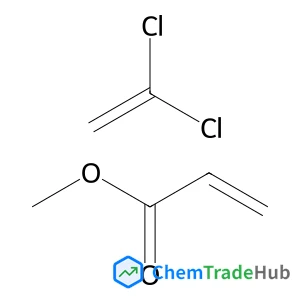
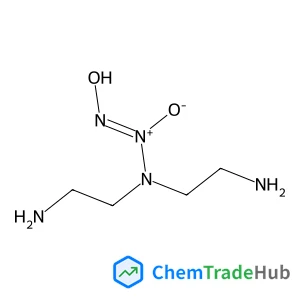
DETA NONOate
CAS Number: 146724-94-9
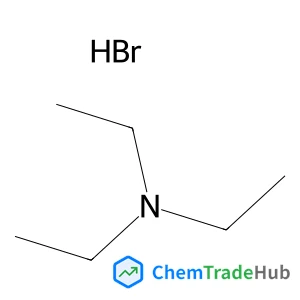
Triethylamine hydrobromide
CAS Number: 636-70-4
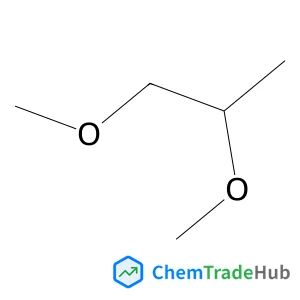
1,2-Dimethoxypropane
CAS Number: 7778-85-0
![Methyl 5-methyl-4-oxo-1,4-dihydropyrrolo[2,1-f][1,2,4]triazine-6-carboxylate](https://static.chemtradehub.com/structs/310/310431-29-9-3e32.webp)
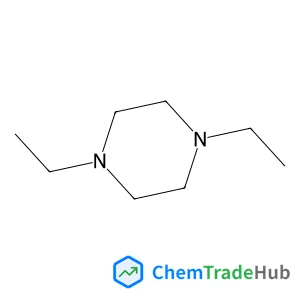
1,4-Diethylpiperazine
CAS Number: 6483-50-7
Other Suppliers for L-Tyrosine ethyl ester




Basic Information
Molecular Formula
C11H15NO3
Molecular Weight
209.25 g/mol
Physical Properties
Melting Point
102.0 to 105.0 deg-C
Boiling Point
343.3 ºC at 760 mmHg
Density
1.177 g/cm3
Flash Point
161.4 ºC
Chemical Identifiers
SMILES
CCOC(=O)C(CC1=CC=C(C=C1)O)N
InChIKey
SBBWEQLNKVHYCX-JTQLQIEISA-N
Database References
MDL Number
MFCD00063046
FAQ
L-Tyrosine ethyl ester (CAS: 949-67-7) is subject to various regulatory guidelines. It is classified under the Globally Harmonized System (GHS) as a category 2 skin irritant. In Europe, it is regulated under REACH (Registration, Evaluation, Authorisation, and Restriction of Chemicals) and must adhere to specific notification and reporting requirements. Additionally, the FDA may require it to be listed in the Code of Federal Regulations (CFR) or have specific labeling requirements. EPA regulations may also apply for environmental handling and disposal.
There are alternative reagents and compounds that can be used in the synthesis of L-Tyrosine ethyl ester (CAS: 949-67-7). For instance, L-Tyrosine methyl ester can be a common alternative. Other options include the use of L-Tyrosine itself or other esters such as L-Tyrosine butyl ester. These alternatives may offer similar properties but vary in reactivity and availability, depending on the specific application.
The market for L-Tyrosine ethyl ester (CAS: 949-67-7) is growing due to its use in various applications, including pharmaceuticals, food additives, and cosmetic products. Research trends are focusing on its potential as a precursor in the synthesis of bioactive compounds and as a nutritional supplement. The demand is influenced by the increasing interest in natural and bio-based products. Price trends show a steady increase due to rising production costs and growing consumer demand.
Waste containing L-Tyrosine ethyl ester (CAS: 949-67-7) should be properly collected and disposed of following safety guidelines. Collection should be done in sealed, non-reactive containers to prevent leakage. Incineration can be a suitable method for disposal, provided it is conducted in an appropriately licensed facility. Alternatively, professional waste disposal services can handle the waste, ensuring compliance with local and international environmental regulations. It is crucial to follow local waste management guidelines and ensure that the waste is not released into the environment without proper treatment.
Safety Notice
Please verify product specifications and safety data before use. Contact the supplier for detailed safety information.
Always follow proper handling procedures

Contact Information
Contact Person
Wan Li Rui
1400858822@qq.com
Mobile
13986212397
Telephone
027-59220433
Fax
027-59220433
Visit Website
http://www.hbchenghai.comAddress
Hubei Province Tianmen City Huangtan Town Yaite Village, Group 3