



AD
2,2,4,4,6,6,8,8,10,10,12,12,14,14,16,16-Hexadecamethylheptadecane(CAS: 61693-08-1)
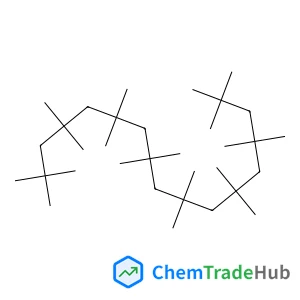
CAS Number
Related Products
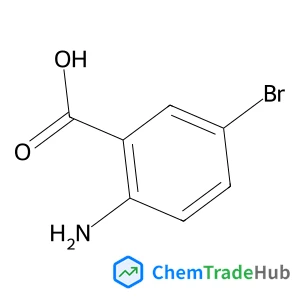
2-Amino-5-bromobenzoic acid
CAS Number: 5794-88-7
![2-(5H-Chromeno[2,3-b]pyridin-7-yl)propanoic acid](https://static.chemtradehub.com/structs/525/52549-17-4-e06c.webp)
![1-(6,11-Dihydro-5H-dibenzo[b,e]azepin-6-yl)methanamine](https://static.chemtradehub.com/structs/412/41218-84-2-28ce.webp)

Tetramethoxygermane
CAS Number: 992-91-6
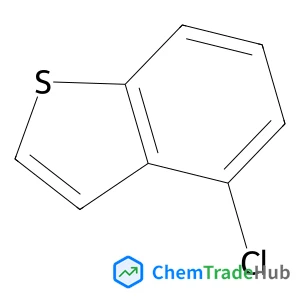
4-Chloro-1-benzothiophene
CAS Number: 66490-33-3
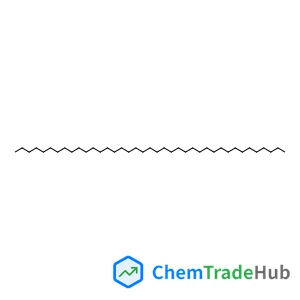
Nonatriacontane
CAS Number: 7194-86-7
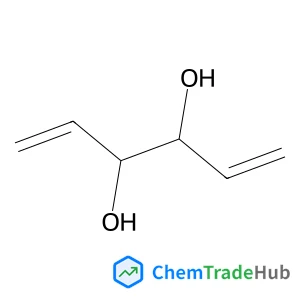
1,5-Hexadiene-3,4-diol
CAS Number: 1069-23-4
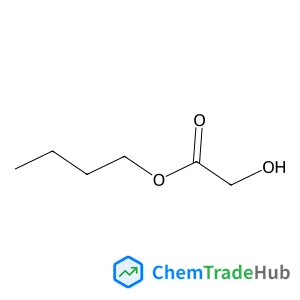
Butyl glycolate
CAS Number: 7397-62-8
Other Suppliers for 2,2,4,4,6,6,8,8,10,10,12,12,14,14,16,16-Hexadecamethylheptadecane







Basic Information
Molecular Formula
C33H68
Molecular Weight
464.91 g/mol
Chemical Identifiers
SMILES
CC(C)(C)CC(C)(C)CC(C)(C)CC(C)(C)CC(C)(C)CC(C)(C)CC(C)(C)CC(C)(C)C
InChIKey
UCUGLVJQUIRCPK-UHFFFAOYSA-N
Database References
FAQ
2,2,4,4,6,6,8,8,10,10,12,12,14,14,16,16-Hexadecamethylheptadecane (CAS: 61693-08-1) is subject to the Globally Harmonized System of Classification and Labelling of Chemicals (GHS), REACH regulations, and FDA/EPA requirements. GHS provides hazard communication and classification, while REACH addresses the registration, evaluation, authorization, and restriction of chemicals. FDA and EPA regulations ensure its safe handling, storage, and use, particularly in consumer and industrial products.
While 2,2,4,4,6,6,8,8,10,10,12,12,14,14,16,16-Hexadecamethylheptadecane (CAS: 61693-08-1) is unique, alternatives include similar alkylated hydrocarbons. Isomers such as 2,2,4,4,6,6,8,8,10,10,12,12,14,14,16,16-octadecamethylpentadecane can serve as substitutes. Common alternative reagents include methyl tert-butyl ether and other alkylating agents, which may offer similar functions in certain synthesis processes.
The market for 2,2,4,4,6,6,8,8,10,10,12,12,14,14,16,16-Hexadecamethylheptadecane (CAS: 61693-08-1) is growing due to its unique properties in lubricants and industrial applications. Research trends focus on its use in highly specialized applications, such as biofuels and high-performance lubricants. Price trends suggest a steady demand, with market analysis predicting sustained growth in the coming years. Emerging research is exploring its potential in renewable energy and advanced materials.
Handling waste containing 2,2,4,4,6,6,8,8,10,10,12,12,14,14,16,16-Hexadecamethylheptadecane (CAS: 61693-08-1) requires adherence to environmental protection regulations. Waste should be collected in a sealed container and stored in a cool, dry place. Incineration is a common method for disposal, but professional waste disposal services are recommended to ensure compliance with local regulations. Handling should be done with appropriate personal protective equipment (PPE) to prevent inhalation or skin contact. Proper documentation and labeling of waste are essential for safe transport and disposal.
Safety Notice
Please verify product specifications and safety data before use. Contact the supplier for detailed safety information.
Always follow proper handling procedures

Contact Information
1208480055@qq.com
Mobile
13657291602
Fax
QQ:1098480033
Visit Website
http://www.guangaobio.com/