



AD
Methyl 2-(aminomethyl)isonicotinate(CAS: 94413-69-1)
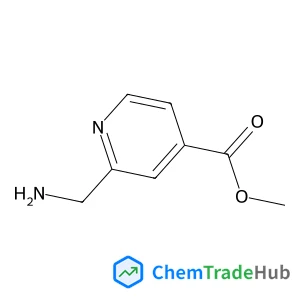
CAS Number
Related Products
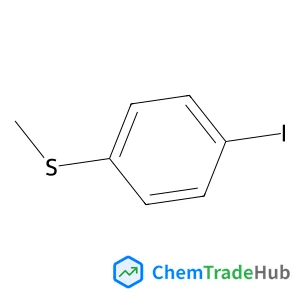
1-Iodo-4-(methylsulfanyl)benzene
CAS Number: 35371-03-0
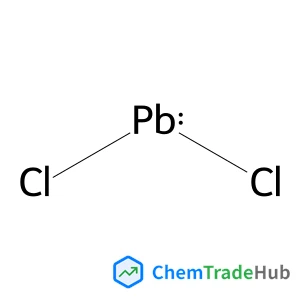
Dichloro-lambda~2~-plumbane
CAS Number: 7758-95-4
PUMICE STONE
CAS Number: 1332-09-8
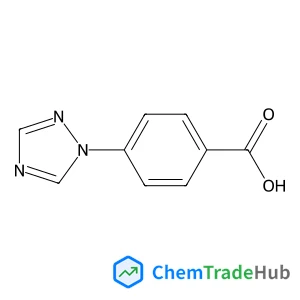
4-(1H-1,2,4-Triazol-1-yl)benzoic acid
CAS Number: 162848-16-0

2,3-Dibromobutane
CAS Number: 5408-86-6
SOYBEAN MEAL
CAS Number: 68308-36-1
![2-Chloro-N-[2-(2,6-dioxo-3-piperidinyl)-1,3-dioxo-2,3-dihydro-1H-isoindol-4-yl]acetamide](https://static.chemtradehub.com/structs/444/444287-84-7-fa4b.webp)
Other Suppliers for Methyl 2-(aminomethyl)isonicotinate




Basic Information
Molecular Formula
C8H10N2O2
Molecular Weight
166.18 g/mol
Chemical Identifiers
SMILES
COC(=O)C1=CC(=NC=C1)CN
InChIKey
SJROINROTNRUMX-UHFFFAOYSA-N
Database References
MDL Number
MFCD18256216
FAQ
Methyl 2-(aminomethyl)isonicotinate (CAS: 94413-69-1) is subject to various regulatory guidelines. Under the Globally Harmonized System of Classification and Labelling of Chemicals (GHS), it is classified as a specific target organ toxicity – single exposure category 2. Additionally, it falls under the scope of REACH regulations in the European Union, requiring suppliers to register and provide safety data sheets. The FDA and EPA have specific requirements for the handling and reporting of chemicals for pharmaceutical and agricultural applications.
Yes, there are alternatives to Methyl 2-(aminomethyl)isonicotinate (CAS: 94413-69-1) in synthesis. Common alternatives include methyl 2-aminonicotinate and methyl 2-(pyridin-2-ylmethyl)isonicotinate. These compounds can serve as effective substitutes depending on the specific reaction conditions and desired product properties. Other reagents like acrylonitrile and propionitrile can also be used as precursors in similar synthetic pathways.
The market for Methyl 2-(aminomethyl)isonicotinate (CAS: 94413-69-1) is growing due to its applications in pharmaceuticals and agriculture. Research trends highlight its use as a key intermediate in the synthesis of various pharmaceutical compounds. There is an increasing focus on developing more efficient and environmentally friendly synthesis methods. Additionally, the compound is being explored for its potential in crop protection and as a feed additive in the livestock industry.
Waste containing Methyl 2-(aminomethyl)isonicotinate (CAS: 94413-69-1) should be collected in appropriate containers and disposed of according to local regulations. The waste should be neutralized with a suitable base before incineration to minimize environmental impact. Professional waste disposal services should be used to ensure compliance with environmental protection standards. It is crucial to follow safety guidelines and wear appropriate personal protective equipment during waste handling and disposal.
Safety Notice
Please verify product specifications and safety data before use. Contact the supplier for detailed safety information.
Always follow proper handling procedures
Contact Information
Contact Person
Ludu
order@canspecsci.com