



AD
2-Cyanonicotinic acid(CAS: 73112-09-1)
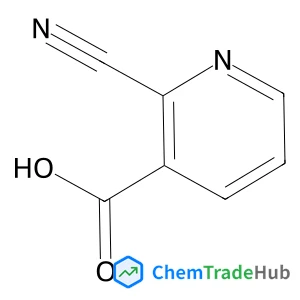
CAS Number
Related Products
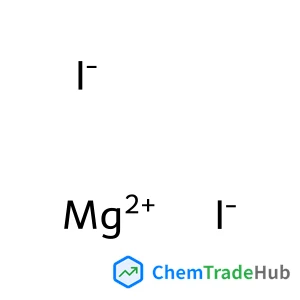
Magnesium diiodide
CAS Number: 14332-62-8
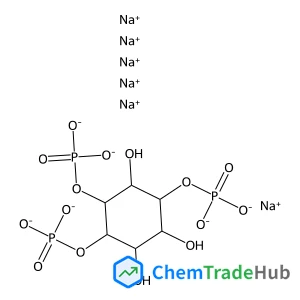
Aluminum alloy, base, Al 50,Ni 50
CAS Number: 12635-27-7
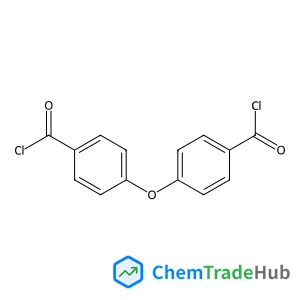
4,4'-Oxydibenzoyl chloride
CAS Number: 7158-32-9
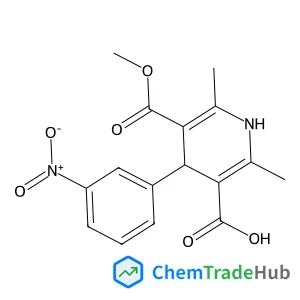
![7,7-Dimethyl-5,7-dihydroindeno[2,1-b]carbazole](https://static.chemtradehub.com/structs/125/1257220-47-5-3fdd.webp)
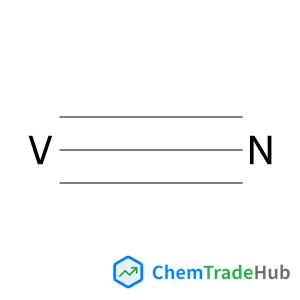
Nitridovanadium
CAS Number: 24646-85-3
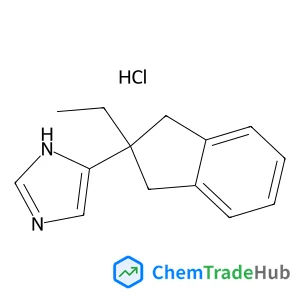
Atipamezole HCl
CAS Number: 104075-48-1
![1-O-[(5beta,8alpha,9beta,10alpha,13alpha)-13-{[beta-D-Glucopyranosyl-(1->2)-[beta-D-glucopyranosyl-(1->3)]-beta-D-glucopyranosyl]oxy}-18-oxokaur-16-en-18-yl]-beta-D-glucopyranose](https://static.chemtradehub.com/structs/585/58543-16-1-7650.webp)
Other Suppliers for 2-Cyanonicotinic acid






Basic Information
Molecular Formula
C7H4N2O2
Molecular Weight
137.14 g/mol
Chemical Identifiers
SMILES
C1=CC(=C(N=C1)C#N)C(=O)O
InChIKey
XKTPVUNCEFBYHP-UHFFFAOYSA-N
Database References
MDL Number
MFCD07368148
FAQ
2-Cyanonicotinic acid (CAS: 73112-09-1) is classified under the Globally Harmonized System (GHS) as a skin and eye irritant. It is subject to the European Union’s REACH regulations, which require manufacturers and importers to register substances above a certain tonnage. In the United States, it is regulated by the EPA and may require specific handling and disposal procedures. Companies must ensure compliance with local, state, and federal regulations to prevent environmental and occupational health risks.
Yes, there are several alternatives to 2-Cyanonicotinic acid (CAS: 73112-09-1) in synthesis. Common substitutes include 3-Cyanopyridine and 2-Aminonicotinic acid. These compounds can be used to achieve similar chemical reactions with varying levels of efficiency and purity, depending on the specific application. Care should be taken to evaluate the safety and compatibility of these alternatives.
The market for 2-Cyanonicotinic acid (CAS: 73112-09-1) is growing due to its applications in pharmaceuticals, particularly in the development of certain antidiabetic drugs. Research trends show increasing interest in its use as an intermediate in the synthesis of drugs and novel materials. Market trends are also influenced by price fluctuations and the availability of alternative reagents. Emerging research is exploring its potential in new applications, including in the treatment of neurological disorders.
Waste containing 2-Cyanonicotinic acid (CAS: 73112-09-1) should be collected in appropriate containers and stored in a well-ventilated area away from heat and ignition sources. Prior to disposal, it is essential to neutralize any acidic residues and ensure safety through proper handling. Incineration is a common method for disposal, but professional waste disposal services may be required. Environmental protection measures include adherence to local and national regulations to prevent contamination of soil and water resources.
Safety Notice
Please verify product specifications and safety data before use. Contact the supplier for detailed safety information.
Always follow proper handling procedures

Contact Information
1400878899@qq.com
Mobile
13517219350
Telephone
027-59106051
Fax
QQ:1400878899
Visit Website
http://www.baidu-chem.com/