



AD
N-Nitroso-N-phenylaniline(CAS: 86-30-6)
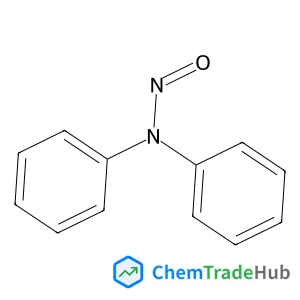
CAS Number
Related Products
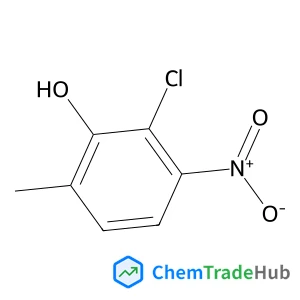
2-Chloro-6-methyl-3-nitrophenol
CAS Number: 39183-20-5
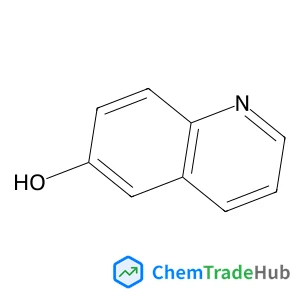
6-Quinolinol
CAS Number: 580-16-5
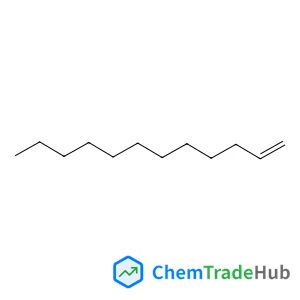
1-Dodecene
CAS Number: 112-41-4
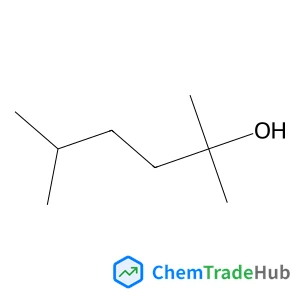
2,5-Dimethyl-2-hexanol
CAS Number: 3730-60-7
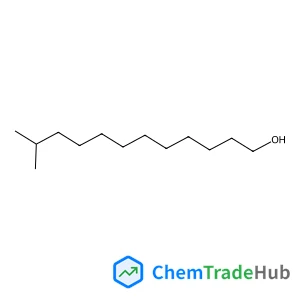
11-Methyl-1-dodecanol
CAS Number: 68526-86-3
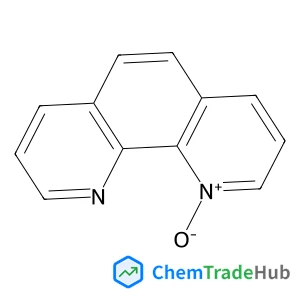
1,10-Phenanthroline 1-oxide
CAS Number: 1891-19-6
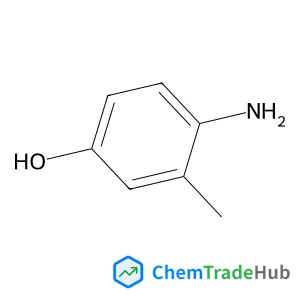
4-Amino-3-methylphenol
CAS Number: 2835-99-6
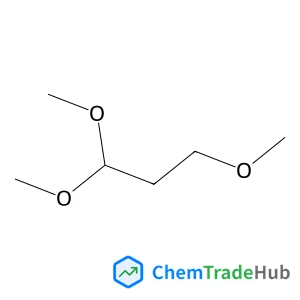
1,1,3-Trimethoxypropane
CAS Number: 14315-97-0
Other Suppliers for N-Nitroso-N-phenylaniline


Basic Information
Molecular Formula
C12H10N2O
Molecular Weight
198.23 g/mol
Physical Properties
Melting Point
65.0 to 69.0 deg-C
Boiling Point
268 ºC
Density
1.23
Flash Point
11 °C
Chemical Identifiers
SMILES
C1=CC=C(C=C1)N(C2=CC=CC=C2)N=O
InChIKey
UBUCNCOMADRQHX-UHFFFAOYSA-N
Database References
MDL Number
MFCD00019920
FAQ
N-Nitroso-N-phenylaniline (CAS: 86-30-6) is classified under the Globally Harmonized System of Classification and Labelling of Chemicals (GHS) as a skin and eye irritant. It is also regulated under the European Union's Registration, Evaluation, Authorization, and Restriction of Chemicals (REACH) legislation, and the U.S. Food and Drug Administration (FDA) and Environmental Protection Agency (EPA) have established specific requirements for handling and use.
Yes, there are alternatives to N-Nitroso-N-phenylaniline (CAS: 86-30-6) in synthesis. Common alternatives include other nitrosamines and aromatic amines, which can serve similar functions in certain chemical reactions. However, these alternatives may have different reactivity, toxicity, and regulatory requirements.
Research on N-Nitroso-N-phenylaniline (CAS: 86-30-6) has shown a decline in its use due to safety concerns and regulatory restrictions. However, it continues to be of interest in academic studies related to carcinogenicity and toxicology. Market trends indicate a focus on safer and more sustainable alternatives in chemical synthesis.
Waste containing N-Nitroso-N-phenylaniline (CAS: 86-30-6) should be collected and disposed of in accordance with local regulations. Proper waste disposal methods include incineration with adequate controls to prevent release of harmful substances, or professional chemical waste disposal services. Environmental protection measures should include proper containment and treatment to minimize environmental impact.
Safety Notice
Please verify product specifications and safety data before use. Contact the supplier for detailed safety information.
Always follow proper handling procedures
Contact Information
Contact Person
Fang Chao
3003755934@qq.com