



AD
5-Bromo-2-phenyloxazole(CAS: 92629-11-3)
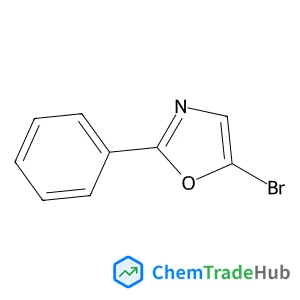
CAS Number
Related Products
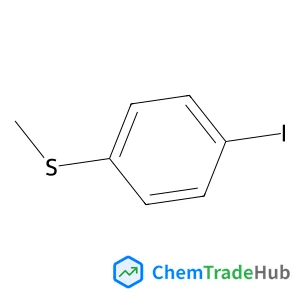
1-Iodo-4-(methylsulfanyl)benzene
CAS Number: 35371-03-0
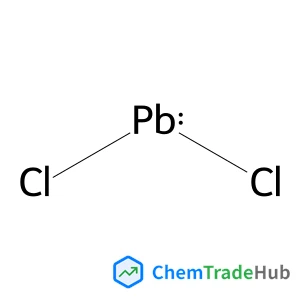
Dichloro-lambda~2~-plumbane
CAS Number: 7758-95-4
PUMICE STONE
CAS Number: 1332-09-8
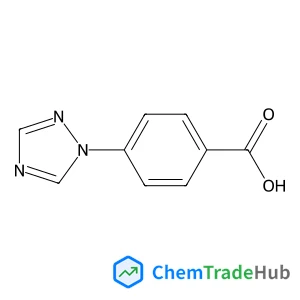
4-(1H-1,2,4-Triazol-1-yl)benzoic acid
CAS Number: 162848-16-0

2,3-Dibromobutane
CAS Number: 5408-86-6
SOYBEAN MEAL
CAS Number: 68308-36-1
![2-Chloro-N-[2-(2,6-dioxo-3-piperidinyl)-1,3-dioxo-2,3-dihydro-1H-isoindol-4-yl]acetamide](https://static.chemtradehub.com/structs/444/444287-84-7-fa4b.webp)
Other Suppliers for 5-Bromo-2-phenyloxazole







Basic Information
Molecular Formula
C9H6BrNO
Molecular Weight
224.06 g/mol
Physical Properties
Melting Point
60-65°C
Boiling Point
308.3°C at 760 mmHg
Density
1.524±0.06 g/cm3 (20 ºC 760 Torr),
Chemical Identifiers
SMILES
C1=CC=C(C=C1)C2=NC=C(O2)Br
InChIKey
MSXVETKZQOUBNB-UHFFFAOYSA-N
Database References
MDL Number
MFCD00466256
FAQ
5-Bromo-2-phenyloxazole (CAS: 92629-11-3) is regulated under the Globally Harmonized System of Classification and Labelling of Chemicals (GHS), REACH in the European Union, and the Toxic Substances Control Act (TSCA) in the United States. It is classified as a hazardous substance due to its potential for skin irritation and sensitization. Compliance with local and national regulations is essential for handling, storage, and disposal.
Alternatives to 5-Bromo-2-phenyloxazole (CAS: 92629-11-3) in synthesis include 5-Iodo-2-phenyloxazole and 5-Chloro-2-phenyloxazole, which offer similar functional properties. Other brominated compounds like 2-Bromophenol can also be considered as substitutes, depending on the specific requirements of the synthesis process.
The market for 5-Bromo-2-phenyloxazole (CAS: 92629-11-3) is steadily growing due to its applications in pharmaceuticals, dyes, and organic synthesis. Research trends are focusing on its use in developing new materials and in the synthesis of complex organic molecules. The increasing demand in the pharmaceutical sector is driving market growth, although regulatory compliance remains a key concern.
Waste containing 5-Bromo-2-phenyloxazole (CAS: 92629-11-3) should be collected in appropriate containers and disposed of through professional waste disposal services. Incineration is a common method for disposal, but it must be done in a controlled environment to prevent the release of bromine vapors. Environmental impact assessments should be conducted to ensure compliance with local environmental regulations and to minimize ecological damage.
Safety Notice
Please verify product specifications and safety data before use. Contact the supplier for detailed safety information.
Always follow proper handling procedures
Contact Information
Contact Person
Ludu
order@canspecsci.com