



AD
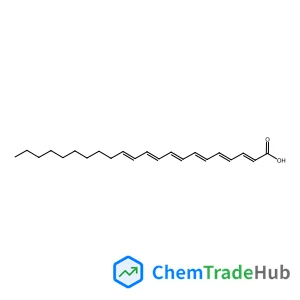
(2E,4E,6E,8E,10E,12E)-2,4,6,8,10,12-Docosahexaenoic acid(CAS: 25167-62-8)
CAS Number
Related Products
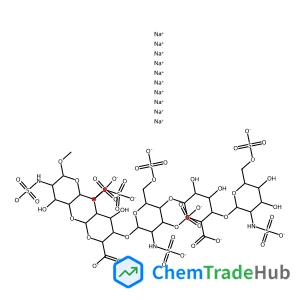
Fondaparinux Sodium
CAS Number: 114870-03-0
![Methyl (3beta,16beta,17alpha,18beta,20alpha)-11,17-dimethoxy-18-[(3,4,5-trimethoxybenzoyl)oxy]yohimban-16-carboxylate](https://static.chemtradehub.com/structs/50-/50-55-5-8d3a.webp)
![Bicyclo[2.2.1]heptan-2-ol,1,7,7-trimethyl-, 2-acetate, (1R,2S,4R)-rel-](https://static.chemtradehub.com/structs/76-/76-49-3-ad20.webp)
![4-[(1E)-3-Hydroxy-1-propen-1-yl]phenol](https://static.chemtradehub.com/structs/369/3690-05-9-1322.webp)
4-[(1E)-3-Hydroxy-1-propen-1-yl]phenol
CAS Number: 3690-05-9
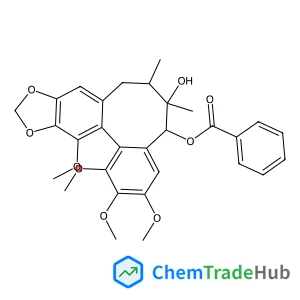
Arisanschinin K
CAS Number: 1181216-83-0
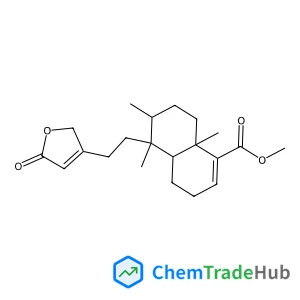
Clerodermic Acid Methyl Ester
CAS Number: 67650-47-9
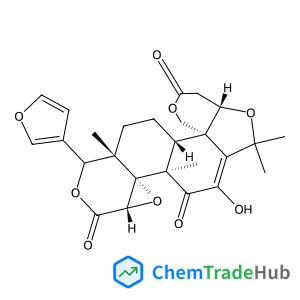
Evodol
CAS Number: 22318-10-1
![(3beta,5beta)-3-[(2,6-Dideoxy-3-O-methyl-beta-D-lyxo-hexopyranosyl)oxy]-14-hydroxycard-20(22)-enolide](https://static.chemtradehub.com/structs/127/12738-19-1-5f47.webp)
Other Suppliers for (2E,4E,6E,8E,10E,12E)-2,4,6,8,10,12-Docosahexaenoic acid






Basic Information
Molecular Formula
C22H32O2
Molecular Weight
328.5 g/mol
Physical Properties
Boiling Point
446.732°C at 760 mmHg
Chemical Identifiers
SMILES
CCCCCCCCC/C=C/C=C/C=C/C=C/C=C/C=C/C(O)=O
InChIKey
DVSZKTAMJJTWFG-SKCDLICFSA-N
Database References
MDL Number
MFCD03839080
FAQ
The (2E,4E,6E,8E,10E,12E)-2,4,6,8,10,12-Docosahexaenoic acid (CAS: 25167-62-8) falls under various regulatory frameworks. Under GHS, it is classified as a non-hazardous substance. In the EU, it must comply with the REACH regulations. For the USA, FDA and EPA have specific requirements for its use and disposal, focusing on documentation and environmental safety measures. Always consult the latest regulatory documents for detailed compliance.
In the synthesis of (2E,4E,6E,8E,10E,12E)-2,4,6,8,10,12-Docosahexaenoic acid (CAS: 25167-62-8), several alternatives include using similar long-chain fatty acids or their derivatives. Common alternatives include eicosapentaenoic acid (EPA) and docosapentaenoic acid (DPA), which can be used as precursors. Isomers and analogs such as (2Z,4Z,6Z,8Z,10Z,12Z)-2,4,6,8,10,12-Docosahexaenoic acid are also viable options. These alternatives can provide similar functionalities with varying degrees of effectiveness depending on the application.
The market and research trends for (2E,4E,6E,8E,10E,12E)-2,4,6,8,10,12-Docosahexaenoic acid (CAS: 25167-62-8) are increasingly focused on its applications in medical research and pharmaceuticals. There is a growing interest in its potential health benefits, particularly in areas related to cardiovascular health and cognitive function. Research is also exploring its role in nutraceutical products. Market trends indicate rising demand due to its perceived health benefits, though price trends vary based on supply and demand dynamics.
Waste containing (2E,4E,6E,8E,10E,12E)-2,4,6,8,10,12-Docosahexaenoic acid (CAS: 25167-62-8) should be collected in appropriate containers and stored under controlled conditions to prevent degradation. For disposal, consider professional waste management services to ensure compliance with environmental regulations. Incineration is a common method for waste disposal, especially when high temperatures and controlled environments are available. Always consult local waste disposal regulations and guidelines to ensure safe and compliant handling.
Safety Notice
Please verify product specifications and safety data before use. Contact the supplier for detailed safety information.
Always follow proper handling procedures
Contact Information
Contact Person
Liu Papan
3391961471@qq.com
Mobile
18162795156
Telephone
181-62795156
Fax
027-84759766
Visit Website
http://www.biocuiyuan.comAddress
Hubei Province, Wuhan City, Wuhuan Economic and Technological Development Zone, Chencheng South Road, Private Science and Technology Park R&D Building, Floor 3, Room 301