



AD
1-Chloro-4-(4-chlorobutoxy)butane(CAS: 6334-96-9)
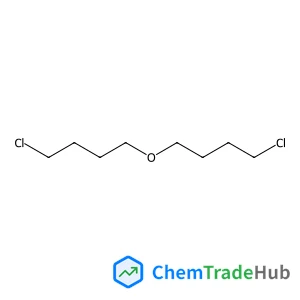
CAS Number
Related Products
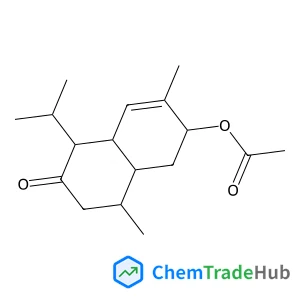
3-Acetoxy-4-cadinen-8-one
CAS Number: 923950-05-4
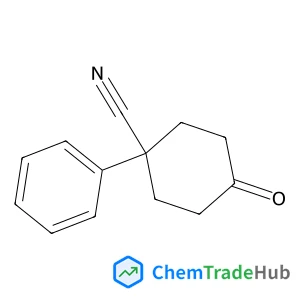
4-Oxo-1-phenylcyclohexanecarbonitrile
CAS Number: 25115-74-6
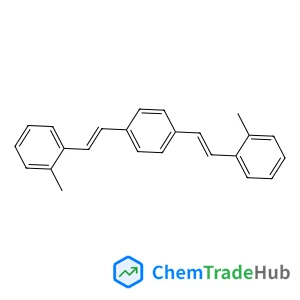
Valiolamine
CAS Number: 83456-22-9
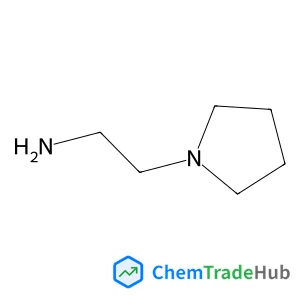
2-(1-Pyrrolidinyl)ethanamine
CAS Number: 7154-73-6
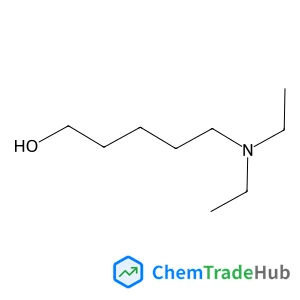
5-(Diethylamino)-1-pentanol
CAS Number: 2683-57-0
![2-Methyl-2-propanyl 4-{[2-(2-aminophenyl)ethyl]amino}-1-piperidinecarboxylate](https://static.chemtradehub.com/structs/783/783368-12-7-e061.webp)
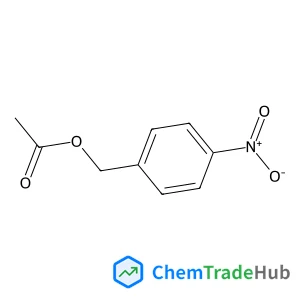
Benzenemethanol, 4-nitro-, 1-acetate
CAS Number: 619-90-9
Other Suppliers for 1-Chloro-4-(4-chlorobutoxy)butane





Basic Information
Molecular Formula
C8H16Cl2O
Molecular Weight
199.12 g/mol
Physical Properties
Boiling Point
132°C/15mmHg(lit.)
Density
1.081 g/mL at 25 °C(lit.)
Chemical Identifiers
SMILES
C(CCCl)COCCCCCl
InChIKey
PVBMXMKIKMJQRK-UHFFFAOYSA-N
Database References
MDL Number
MFCD00019006
Beilstein Registry Number
1739861
FAQ
1-Chloro-4-(4-chlorobutoxy)butane (CAS: 6334-96-9) falls under the regulations of the GHS (Globally Harmonized System of Classification and Labelling of Chemicals) and requires classification as a hazardous chemical. In the EU, it must comply with REACH regulations for registration and notification. Additionally, it is subject to FDA and EPA requirements for safety data sheets and handling in the US. Proper storage and disposal practices must be followed in accordance with local and international guidelines.
There are alternatives to 1-Chloro-4-(4-chlorobutoxy)butane (CAS: 6334-96-9) in synthesis, such as using different chlorinated butyl ethers or other chlorinated butanes. Common substitutes include 1-Chlorobutane, 2-Chlorobutane, and 3-Chlorobutane, which can offer similar functionalities while potentially differing in reactivity and toxicity. Careful selection and testing are recommended to ensure the desired chemical properties and safety profiles.
The market for 1-Chloro-4-(4-chlorobutoxy)butane (CAS: 6334-96-9) is primarily driven by its use in pharmaceuticals and industrial applications. Research trends show a focus on its use as a precursor in the synthesis of complex organic molecules and as a stabilizing agent in various formulations. Recent studies are exploring its potential in antiviral and anti-inflammatory applications, reflecting growing interest in its biological activities and industrial utility.
Waste containing 1-Chloro-4-(4-chlorobutoxy)butane (CAS: 6334-96-9) should be collected and stored in a sealed, labeled container to prevent leaks and exposure. It should be disposed of according to local hazardous waste regulations, often requiring incineration or professional waste disposal services. Environmental protection precautions include ensuring proper ventilation and use of personal protective equipment during handling to minimize health risks. Compliance with safety data sheets and regulatory requirements is essential for safe waste management.
Safety Notice
Please verify product specifications and safety data before use. Contact the supplier for detailed safety information.
Always follow proper handling procedures

Contact Information
hepeng20160718@foxmail.com
Mobile
13122891558
Telephone
186-16545970
Visit Website
https://www.hepengbio.com/