



AD
1-(2-Fluorophenyl)-1-(4-fluorophenyl)-2-(1H-1,2,4-triazol-1-yl)ethanol(CAS: 76674-21-0)
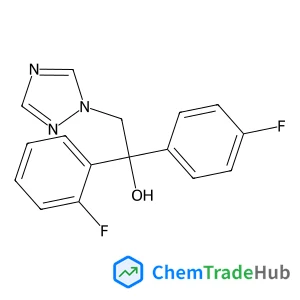
CAS Number
Related Products
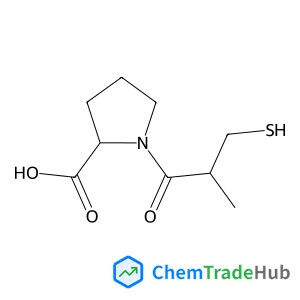
Captopril
CAS Number: 62571-86-2
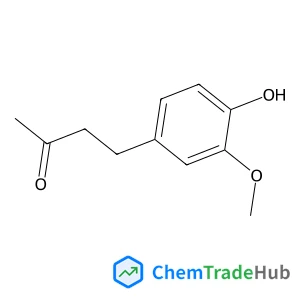
4-(4-Hydroxy-3-methoxyphenyl)-2-butanone
CAS Number: 122-48-5
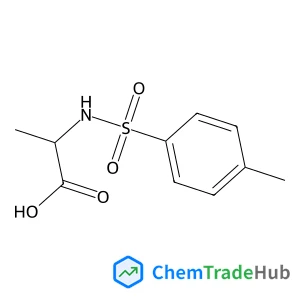
N-Tosyl-L-alanine
CAS Number: 21957-58-4
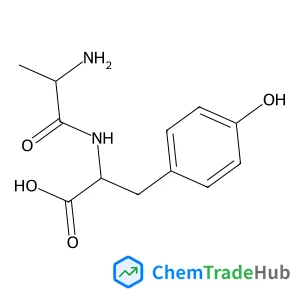
Alanyl-L-tyrosine
CAS Number: 3061-88-9
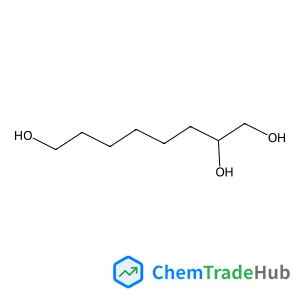
Octane-1,2,8-triol
CAS Number: 382631-43-8
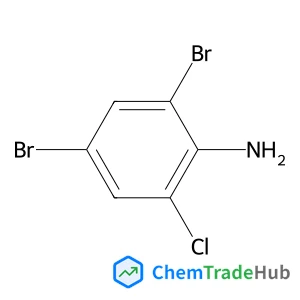
2,4-Dibromo-6-chloroaniline
CAS Number: 874-18-0
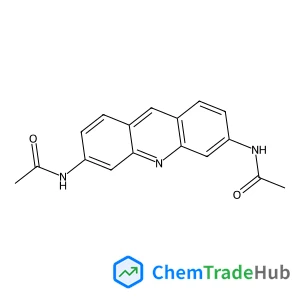
N,N'-3,6-Acridinediyldiacetamide
CAS Number: 15724-70-6
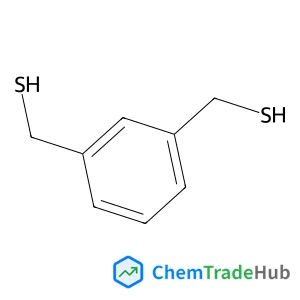
1,3-Phenylenedimethanethiol
CAS Number: 41563-69-3

Other Suppliers for 1-(2-Fluorophenyl)-1-(4-fluorophenyl)-2-(1H-1,2,4-triazol-1-yl)ethanol


Basic Information
Molecular Formula
C16H13F2N3O
Molecular Weight
301.3 g/mol
Physical Properties
Melting Point
130°
Density
1.3015 (estimate)
Flash Point
2 °C
Chemical Identifiers
SMILES
OC(CN1C=NC=N1)(C1=CC=C(F)C=C1)C1=CC=CC=C1F
InChIKey
JWUCHKBSVLQQCO-UHFFFAOYSA-N
Database References
MDL Number
MFCD00144319
FAQ
1-(2-Fluorophenyl)-1-(4-fluorophenyl)-2-(1H-1,2,4-triazol-1-yl)ethanol (CAS: 76674-21-0) is a substituted ethanol compound featuring two fluorophenyl groups and a 1H-1,2,4-triazole ring. Its chemical formula is C14H10F2N4O, and it exhibits aromatic and heterocyclic characteristics. The molecule is commonly used in pharmaceutical research as a building block for drug development due to its potential biological activity. It is typically a solid at room temperature and may have limited solubility in water, requiring careful handling in organic solvents.
This compound is primarily utilized in pharmaceutical applications, particularly in the development of drugs targeting specific biological pathways. It serves as a key intermediate in medicinal chemistry for synthesizing compounds with antiviral or anti-inflammatory properties. Additionally, it is employed in research settings for studying receptor interactions and as a component in chemical synthesis for creating complex molecules. Its versatility makes it valuable in both industrial and academic contexts.
Safety data for 1-(2-Fluorophenyl)-1-(4-fluorophenyl)-2-(1H-1,2,4-triazol-1-yl)ethanol (CAS: 76674-21-0) is limited, but it is generally considered hazardous due to its chemical structure. Precautions include wearing protective gloves, goggles, and lab coats when handling. It should be used in well-ventilated areas to avoid inhalation risks. Always follow established safety protocols and consult specific toxicological data for accurate risk assessment in industrial or research environments.
This compound should be stored in a cool, dry place, ideally at 2-8°C, to maintain stability. It is sensitive to moisture and light, so storage in airtight containers with desiccant packs and in darkness is recommended. Avoid exposure to heat sources and incompatible materials. Proper labeling and storage in a secure chemical storage area are essential to ensure safety and prevent degradation over time.
Safety Notice
Please verify product specifications and safety data before use. Contact the supplier for detailed safety information.
Always follow proper handling procedures
Contact Information
Contact Person
Zhang Zeyuan
Sales-CN@TCIchemicals.com