



AD
trans-4-methylcyclohexanamine;hydrochloride(CAS: 33483-65-7)

CAS Number
Related Products

2H-Tetrazole
CAS Number: 288-94-8

Collagen(cattle skin) (9CI)
CAS Number: 9064-67-9
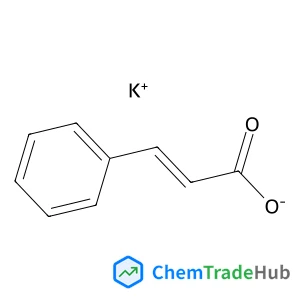
Potassium (2E)-3-phenylacrylate
CAS Number: 16089-48-8

Chloro(methyl)magnesium
CAS Number: 676-58-4
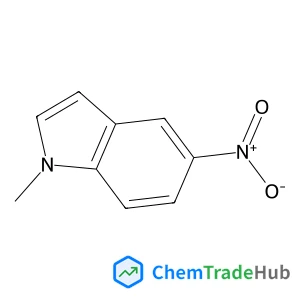
1-Methyl-5-nitro-1H-indole
CAS Number: 29906-67-0
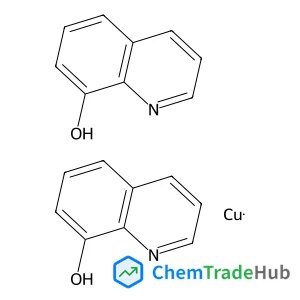
Bis(8-quinolinolato)copper(II)
CAS Number: 10380-28-6
![2-[4-(1-Hydroxy-4-{4-[hydroxy(diphenyl)methyl]-1-piperidinyl}butyl)phenyl]-2-methylpropanoic acid hydrochloride (1:1)](https://static.chemtradehub.com/structs/153/153439-40-8-f2bf.webp)
Other Suppliers for trans-4-methylcyclohexanamine;hydrochloride









Basic Information
Molecular Formula
C7H16ClN
Molecular Weight
149.67 g/mol
Physical State
White to Yellow Solid
Physical Properties
Melting Point
261-263°C
Boiling Point
195.9°Cat760mmHg
Flash Point
72.3°C
Chemical Identifiers
SMILES
CC1CCC(CC1)N.Cl
InChIKey
GIRKJSRZELQHDX-MEZFUOHNSA-N
Database References
MDL Number
MFCD07368256
FAQ
Trans-4-methylcyclohexanamine hydrochloride is a crystalline solid with a molecular weight of approximately 171.68 g/mol. It has a solubility of about 7 g/100 mL in water and is sparingly soluble in ethanol. Chemically, it is mildly basic and can react with acids to form salts. It is stable under normal conditions but should be stored in a dry environment to prevent hydrolysis.
Trans-4-methylcyclohexanamine hydrochloride is typically synthesized by first preparing trans-4-methylcyclohexanamine from trans-4-methylcyclohexanol using hydrochloric acid. The reaction involves the amination of the alcohol to form the amine, followed by the formation of the hydrochloride salt. Commonly used conditions include refluxing the mixture in a water bath to achieve high selectivity and yield.
Trans-4-methylcyclohexanamine hydrochloride is used in the pharmaceutical industry as a precursor in drug synthesis. It is also utilized in the polymer industry for the manufacturing of certain types of plastics and adhesives. Additionally, it finds applications in the sensor industry for specific chemical sensing applications and in the semiconductor industry for various fabrication processes.
When handling trans-4-methylcyclohexanamine hydrochloride, appropriate personal protective equipment (PPE) should be used, including gloves, goggles, and a laboratory coat. Work should be conducted in a fume hood to minimize exposure. In case of a spill, it should be cleaned up using absorbent materials and the area should be well-ventilated. Safety data sheets (SDS) should be consulted for detailed handling and disposal information.
Safety Notice
Please verify product specifications and safety data before use. Contact the supplier for detailed safety information.
Always follow proper handling procedures