



AD
2-Chloro-3-nitro-4-pyridinol(CAS: 629655-23-8)
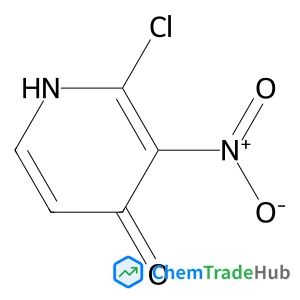
CAS Number
Related Products
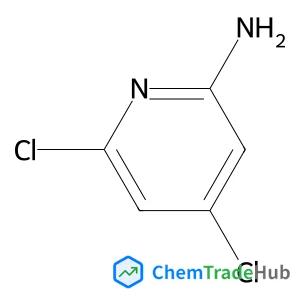
4,6-Dichloro-2-pyridinamine
CAS Number: 116632-24-7
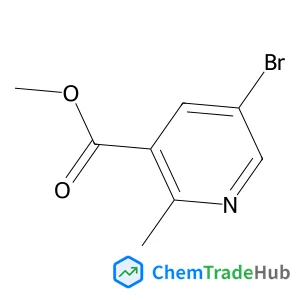
Methyl 5-bromo-2-methylnicotinate
CAS Number: 1215916-40-7
![5-Chloro-1H-pyrrolo[2,3-c]pyridine](https://static.chemtradehub.com/structs/131/131084-55-4-fad8.webp)
5-Chloro-1H-pyrrolo[2,3-c]pyridine
CAS Number: 131084-55-4
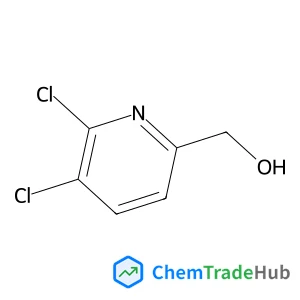
(5,6-Dichloro-2-pyridinyl)methanol
CAS Number: 1227601-48-0
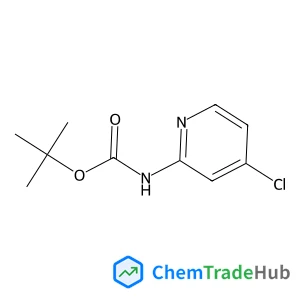
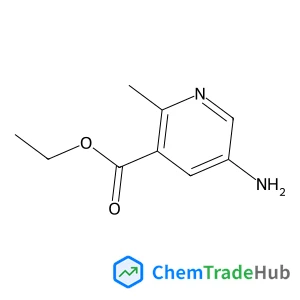
Ethyl 5-amino-2-methylnicotinate
CAS Number: 60390-42-3
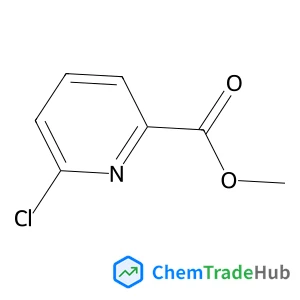
Methyl 6-chloro-2-pyridinecarboxylate
CAS Number: 6636-55-1
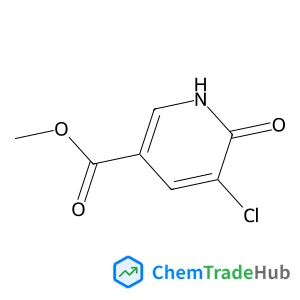
Methyl 5-chloro-6-hydroxynicotinate
CAS Number: 316166-47-9
Other Suppliers for 2-Chloro-3-nitro-4-pyridinol





Basic Information
Molecular Formula
C5H3ClN2O3
Molecular Weight
174.54 g/mol
Physical Properties
Boiling Point
408.2°C at 760 mmHg
Chemical Identifiers
SMILES
C1=CNC(=C(C1=O)[N+](=O)[O-])Cl
InChIKey
RGJVVCCIZKLJRL-UHFFFAOYSA-N
Database References
MDL Number
MFCD07778466
FAQ
2-Chloro-3-nitro-4-pyridinol (CAS: 629655-23-8) is subject to the Globally Harmonized System of Classification and Labelling of Chemicals (GHS) for hazardous properties such as flammability, reactivity, and skin or eye irritation. It falls under the European Union’s REACH regulations, which require manufacturers and importers to identify and manage the risks linked to chemicals. Additionally, the Food and Drug Administration (FDA) and Environmental Protection Agency (EPA) have specific requirements related to its handling, use, and disposal in the United States.
There are several alternatives to 2-Chloro-3-nitro-4-pyridinol (CAS: 629655-23-8) in synthesis, including 2-nitro-4-pyridinol and 3-chloro-4-pyridinol. These compounds can serve as precursors for the synthesis of 2-Chloro-3-nitro-4-pyridinol or may be used in similar reactions to achieve similar outcomes. The choice of alternative depends on the specific reaction conditions and desired product purity.
The market for 2-Chloro-3-nitro-4-pyridinol (CAS: 629655-23-8) is primarily driven by its use in pharmaceutical and agrochemical industries. Research trends indicate increasing interest in its potential applications in drug synthesis and as a building block for complex molecules. The market is expected to grow with advancements in these fields, driven by the development of new synthetic methods and increased demand for specialized chemicals.
Waste containing 2-Chloro-3-nitro-4-pyridinol (CAS: 629655-23-8) should be managed according to local and national regulations. It is recommended to collect waste in appropriate containers and neutralize it with a base before disposal. Professional waste disposal services are often preferred due to the hazardous nature of the compound. Environmental protection precautions include ensuring minimal release into water bodies and following all safety protocols to prevent exposure and environmental contamination.
Safety Notice
Please verify product specifications and safety data before use. Contact the supplier for detailed safety information.
Always follow proper handling procedures
Contact Information
Contact Person
Zong Qianqian
zongqs@iccas.ac.cn