



AD
Potassium trifluoromethanesulfonate(CAS: 2926-27-4)
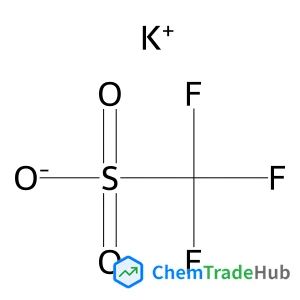
CAS Number
Related Products
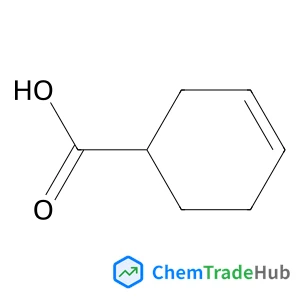
(1S)-3-Cyclohexene-1-carboxylic acid
CAS Number: 5708-19-0
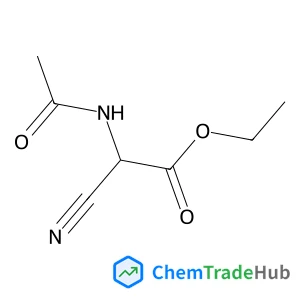
Ethyl Acetamidocyanoacetate
CAS Number: 4977-62-2
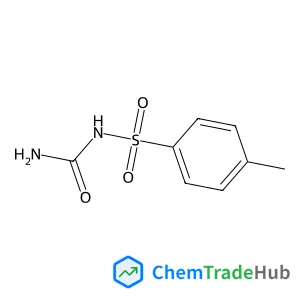
N-Carbamoyl-4-methylbenzenesulfonamide
CAS Number: 1694-06-0
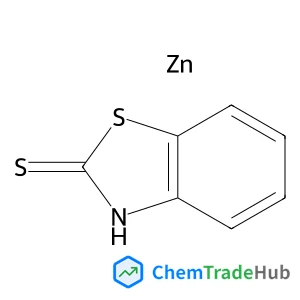
Zinc bis(1,3-benzothiazole-2-thiolate)
CAS Number: 155-04-4
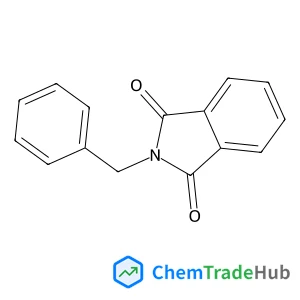
2-Benzyl-1H-isoindole-1,3(2H)-dione
CAS Number: 2142-01-0
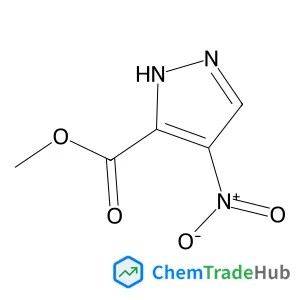
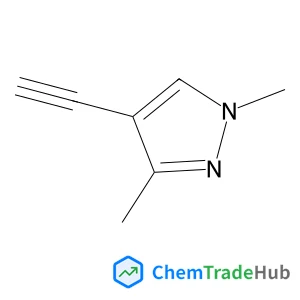
4-Ethynyl-1,3-dimethyl-1H-pyrazole
CAS Number: 61514-53-2
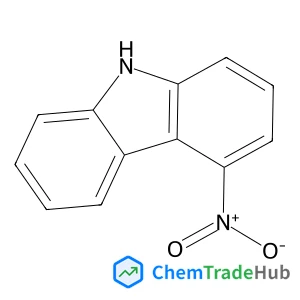
1-Nitro-9H-carbazole
CAS Number: 57905-76-7
Other Suppliers for Potassium trifluoromethanesulfonate



Basic Information
Molecular Formula
CF3KO3S
Molecular Weight
188.17 g/mol
Physical Properties
Melting Point
238.5°C
Boiling Point
162°C at 760 mmHg
Water Solubility
Soluble in water.
Chemical Identifiers
SMILES
C(F)(F)(F)S(=O)(=O)[O-].[K+]
InChIKey
GLGXXYFYZWQGEL-UHFFFAOYSA-M
Database References
MDL Number
MFCD00042370
FAQ
Potassium trifluoromethanesulfonate (CAS: 2926-27-4) is a white crystalline solid with a high melting point and low solubility in water. It has a molecular weight of approximately 206.11 g/mol. This compound is known for its high reactivity in organic synthesis, particularly in the alkylation and acylation of amines and phenols.
Potassium trifluoromethanesulfonate (CAS: 2926-27-4) is typically synthesized by reacting potassium fluoride with trifluoromethanesulfonic acid. The process involves careful temperature control and use of anhydrous conditions to ensure the formation of the desired product with high selectivity and yield.
Potassium trifluoromethanesulfonate (CAS: 2926-27-4) is used in various industries, including pharmaceuticals for the synthesis of complex organic molecules, polymers for functionalization, and sensors for detection of specific compounds. It also finds applications in the semiconductor industry for etching processes.
What precautions should be taken when handling Potassium trifluoromethanesulfonate (CAS: 2926-27-4)?
When handling Potassium trifluoromethanesulfonate (CAS: 2926-27-4), it is important to use appropriate personal protective equipment (PPE) such as gloves, goggles, and a lab coat. Work should be conducted in a well-ventilated area or fume hood to minimize inhalation risks. Spills should be cleaned up immediately using absorbent materials and proper waste disposal methods should be followed. Always refer to the safety data sheet (SDS) for detailed handling instructions.
Safety Notice
Please verify product specifications and safety data before use. Contact the supplier for detailed safety information.
Always follow proper handling procedures
Contact Information
jacschem@163.com