



AD
Methyl 1H-pyrrole-3-carboxylate(CAS: 2703-17-5)
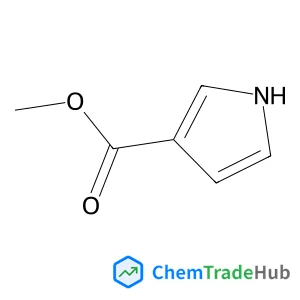
CAS Number
Related Products

methanol; trifluoro-methoxy-boron
CAS Number: 2802-68-8
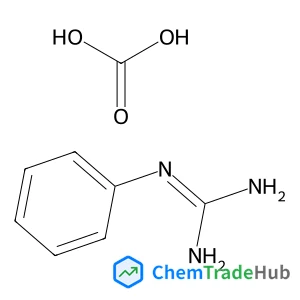
Carbonic acid - 1-phenylguanidine (1:1)
CAS Number: 6685-76-3
![1,7,7-Trimethylbicyclo[2.2.1]heptane-2,3-dione](https://static.chemtradehub.com/structs/103/10373-78-1-714c.webp)
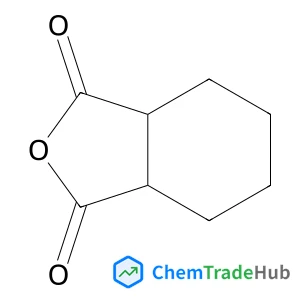
octahydro-2-benzofuran-1,3-dione
CAS Number: 85-42-7
![1-[(4xi)-beta-D-(~13~C_5_)-erythro-Pentofuranosyl]-1H-1,2,4-triazole-3-carboxamide](https://static.chemtradehub.com/structs/164/1646818-35-0-ea01.webp)
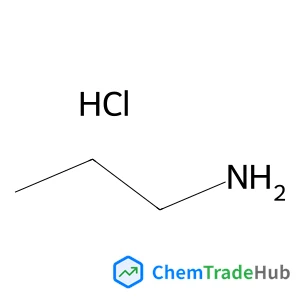
1-Propanamine hydrochloride (1:1)
CAS Number: 556-53-6
![1,1,2,2-Tetrafluoro-1-[2-(1,1,2,2-tetrafluoroethoxy)ethoxy]ethane](https://static.chemtradehub.com/structs/358/358-39-4-0089.webp)
Other Suppliers for Methyl 1H-pyrrole-3-carboxylate





Basic Information
Molecular Formula
C6H7NO2
Molecular Weight
125.13 g/mol
Physical Properties
Melting Point
85-89 °C
Boiling Point
284 ºC
Flash Point
126 ºC
Water Solubility
Slightly soluble in water.
Chemical Identifiers
SMILES
COC(=O)c1cc[nH]c1
InChIKey
WLBNVSIQCFHAQB-UHFFFAOYSA-N
Database References
MDL Number
MFCD00967074
FAQ
Methyl 1H-pyrrole-3-carboxylate (CAS: 2703-17-5) must comply with various regulatory guidelines. Under the Globally Harmonized System of Classification and Labeling of Chemicals (GHS), it should be labeled with appropriate hazard statements and pictograms. In the European Union, it is subject to the REACH regulations, which require a safety data sheet (SDS) and registration for manufacturers and importers. Additionally, the Food and Drug Administration (FDA) and the Environmental Protection Agency (EPA) have specific requirements for its handling in the United States, including proper storage and disposal methods.
Methyl 1H-pyrrole-3-carboxylate (CAS: 2703-17-5) can be synthesized using various alternatives such as methyl 2-pyrrolecarboxylate and methyl 3-pyridinecarboxylate. These alternatives can serve as effective reagents depending on the specific chemical reactions. Furthermore, isomers of pyrrole carboxylic acids may also be considered as potential substitutes. In some cases, more environmentally friendly reagents like biocatalysts or green solvents can be used to reduce the environmental impact.
The market for Methyl 1H-pyrrole-3-carboxylate (CAS: 2703-17-5) is growing due to its applications in the pharmaceutical and fine chemical industries. Research trends indicate an increasing focus on its use as a building block for medicinal chemistry and drug synthesis. The industry is also exploring its potential in the production of biodegradable polymers and as a precursor for other organic compounds. The market trend shows a steady increase in demand, driven by advancements in synthetic methods and the discovery of new applications.
Waste containing Methyl 1H-pyrrole-3-carboxylate (CAS: 2703-17-5) should be collected in appropriate containers and stored in a well-ventilated area away from ignition sources. The waste should be treated to neutralize any acidic or basic components. Incineration is a common method for waste disposal, but it must be conducted in an enclosed incinerator to prevent emissions. Alternatively, professional waste disposal services can be utilized for safe disposal. Environmental protection measures include ensuring that any liquid waste is properly neutralized and disposed of in a manner that complies with local and national regulations to minimize environmental impact.
Safety Notice
Please verify product specifications and safety data before use. Contact the supplier for detailed safety information.
Always follow proper handling procedures