AD
4-Thiomorpholinamine 1,1-dioxide(CAS: 26494-76-8)
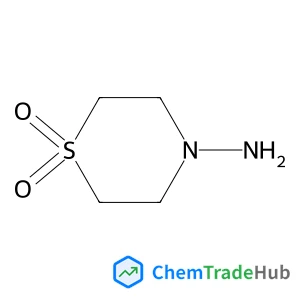
CAS Number
Related Products
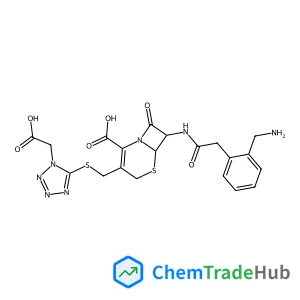
Ceforanide
CAS Number: 60925-61-3
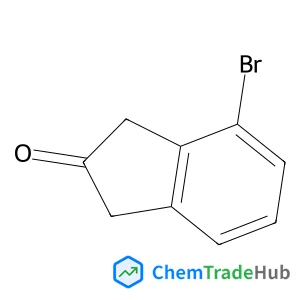
4-Bromo-1,3-dihydro-2H-inden-2-one
CAS Number: 846032-36-8
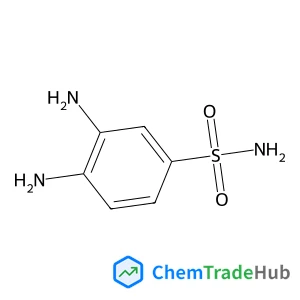
3,4-Diaminobenzenesulfonamide
CAS Number: 2360-20-5
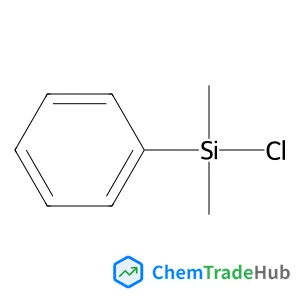
Chlorodimethylphenylsilane
CAS Number: 768-33-2
![4-(Methoxycarbonyl)bicyclo[2.2.2]octane-1-carboxylic acid](https://static.chemtradehub.com/structs/187/18720-35-9-5ad5.webp)
![2-Amino-9-[(1S,3R,4S)-4-hydroxy-3-(hydroxymethyl)-2-methylenecyclopentyl]-1,9-dihydro-6H-purin-6-one](https://static.chemtradehub.com/structs/142/142217-69-4-3af1.webp)
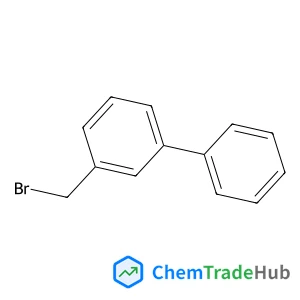
Bifeprunox Impurity 1
CAS Number: 14704-31-5
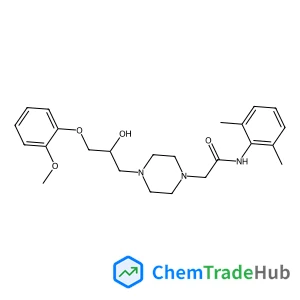
Ranolazine
CAS Number: 95635-55-5
![(1S,2S,3R,4S,5S)-5-[(1,3-Dihydroxy-2-propanyl)amino]-1-(hydroxymethyl)-1,2,3,4-cyclohexanetetrol](https://static.chemtradehub.com/structs/834/83480-29-9-1a8a.webp)
Other Suppliers for 4-Thiomorpholinamine 1,1-dioxide






Basic Information
Molecular Formula
C4H10N2O2S
Molecular Weight
150.2 g/mol
Physical Properties
Melting Point
105.0 to 110.0 deg-C
Boiling Point
356°C at 760 mmHg
Density
1.345
Flash Point
169.1°C
Chemical Identifiers
SMILES
NN1CCS(=O)(=O)CC1
InChIKey
YDKNASMIEZGJEJ-UHFFFAOYSA-N
Database References
MDL Number
MFCD08276264
FAQ
4-Thiomorpholinamine 1,1-dioxide (CAS: 26494-76-8) is subject to the Globally Harmonized System of Classification and Labeling of Chemicals (GHS) for hazardous chemicals. In the European Union, it falls under the Registration, Evaluation, Authorisation and Restriction of Chemicals (REACH) regulation. The U.S. Food and Drug Administration (FDA) and Environmental Protection Agency (EPA) may have specific guidelines for its use and disposal, particularly in pharmaceutical and industrial applications.
For the synthesis of compounds similar to 4-Thiomorpholinamine 1,1-dioxide (CAS: 26494-76-8), alternatives include morpholine derivatives and other sulfur-containing amines. Common substitute reagents include thiourea and thioacetamide. These alternatives can be used depending on the specific reaction conditions and desired product.
The market for 4-Thiomorpholinamine 1,1-dioxide (CAS: 26494-76-8) is growing due to its applications in pharmaceuticals and as an intermediate in organic synthesis. Research trends are focused on developing its use in drug discovery and as a potential therapeutic agent. Price trends reflect increasing demand, and emerging research is exploring its role in biocatalysis and polymer synthesis.
Waste containing 4-Thiomorpholinamine 1,1-dioxide (CAS: 26494-76-8) should be collected in a sealed container and disposed of through a professional hazardous waste disposal service. Incineration may be necessary for complete destruction, followed by proper environmental monitoring. It is crucial to follow local regulations and ensure that all safety precautions are taken to prevent environmental contamination and ensure worker safety.
Safety Notice
Please verify product specifications and safety data before use. Contact the supplier for detailed safety information.
Always follow proper handling procedures