



AD
3-Amino-3-phenylpropanoic acid(CAS: 614-19-7)
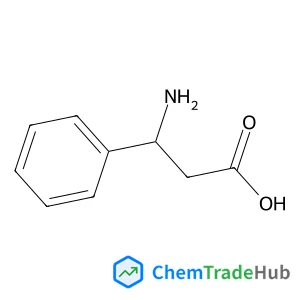
CAS Number
Related Products
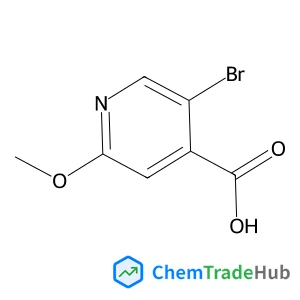
5-Bromo-2-methoxyisonicotinic acid
CAS Number: 886365-22-6
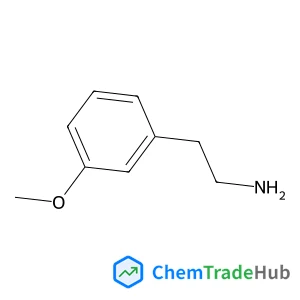
2-(3-Methoxyphenyl)ethanamine
CAS Number: 2039-67-0
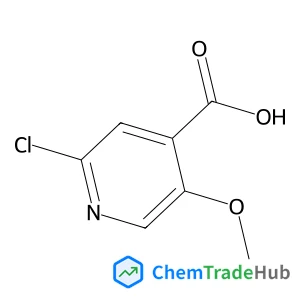
2-Chloro-5-methoxyisonicotinic acid
CAS Number: 1060801-70-8
![Octahydrocyclopenta[c]pyrrole hydrochloride (1:1)](https://static.chemtradehub.com/structs/112/112626-50-3-59f9.webp)
![4-Chloro-3-ethyl-1-methyl-N-[4-(4-methylphenoxy)benzyl]-1H-pyrazole-5-carboxamide](https://static.chemtradehub.com/structs/129/129558-76-5-aec6.webp)
Other Suppliers for 3-Amino-3-phenylpropanoic acid







Basic Information
Molecular Formula
C9H11NO2
Molecular Weight
165.19 g/mol
Physical State
Powder
Physical Properties
Melting Point
223°C(dec.)(lit.)
Boiling Point
307.5°C at 760 mmHg
Density
1.1603 (rough estimate)
Flash Point
139.8℃
Chemical Identifiers
SMILES
C1=CC=C(C=C1)C(CC(=O)O)N
InChIKey
UJOYFRCOTPUKAK-UHFFFAOYSA-N
Database References
MDL Number
MFCD00008064
Beilstein Registry Number
2803286
FAQ
3-Amino-3-phenylpropanoic acid (CAS: 614-19-7) is regulated under various guidelines. It falls under GHS classification as a potential skin and eye irritant. In Europe, it is subject to REACH regulations, requiring manufacturers and importers to register the substance if they produce or import more than 1 tonne annually. The FDA may regulate it as a drug ingredient, requiring compliance with Good Manufacturing Practices (GMP). EPA regulations may apply if it's used in agricultural or industrial settings, requiring proper handling and disposal to prevent environmental contamination.
Several alternatives can be used in the synthesis of 3-Amino-3-phenylpropanoic acid (CAS: 614-19-7). For example, 3-Amino-3-phenylpropionic acid methyl ester can be used as a precursor. Other alternatives include using different amino acids or modifying the phenyl group, such as using 4-aminophenylacetic acid. These alternatives offer flexibility in synthesis methods and can be more readily available or cost-effective.
The market for 3-Amino-3-phenylpropanoic acid (CAS: 614-19-7) is growing due to its applications in pharmaceuticals and research. Recent trends indicate increased demand for this compound in drug development, particularly in the area of prodrugs and site-specific drug delivery. Research is also focusing on its potential use in biotechnology and as a precursor in organic synthesis. Market trends suggest a steady increase in demand, driven by its versatile applications and ongoing research interest.
Waste containing 3-Amino-3-phenylpropanoic acid (CAS: 614-19-7) should be handled with caution. Collection should be done in a closed container and stored in a well-ventilated area to prevent exposure. For bulk waste, professional waste disposal services should be utilized. Incineration is a suitable method for disposal, and it should be done in a controlled environment to minimize environmental impact. Environmental protection measures, including proper waste tracking and documentation, are essential to comply with regulatory requirements and ensure safety.
Safety Notice
Please verify product specifications and safety data before use. Contact the supplier for detailed safety information.
Always follow proper handling procedures
Contact Information
sales@evershinechem.com