



AD
Potassium dihydrogen phosphate(CAS: 7778-77-0)
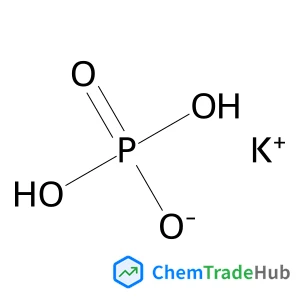
CAS Number
Related Products
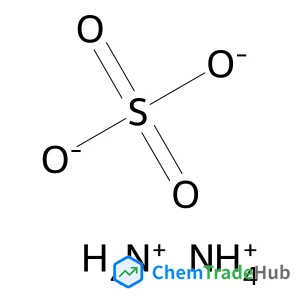
Ammonium sulphate,≥99.0%,AR
CAS Number: 7783-20-2
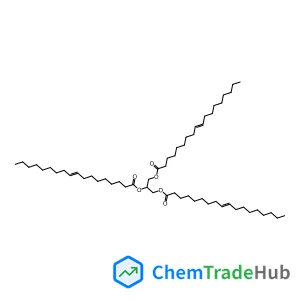
Glycerine Trioleate
CAS Number: 122-32-7
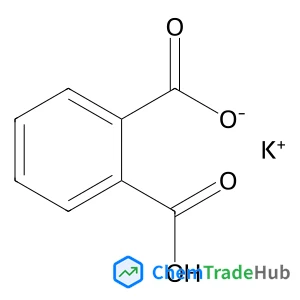
Phthalic Acid Potassium Salt
CAS Number: 877-24-7
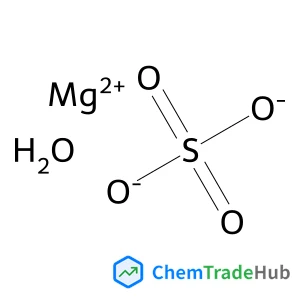
Magnesium sulfate hydrate
CAS Number: 22189-08-8
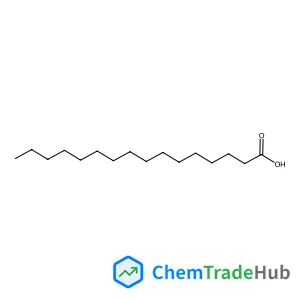
Palmitic acid
CAS Number: 57-10-3
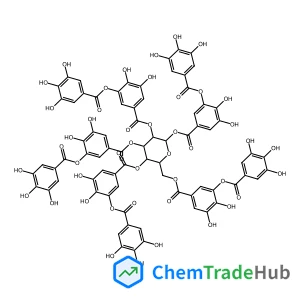
Tannic acid
CAS Number: 1401-55-4
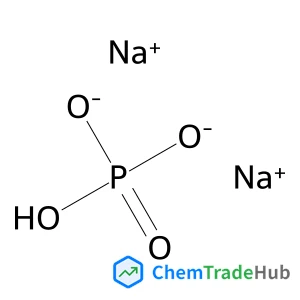
Disodium hydrogen phosphate
CAS Number: 7558-79-4
Other Suppliers for Potassium dihydrogen phosphate

Basic Information
Molecular Formula
H2KO4P
Molecular Weight
136.09 g/mol
Physical Properties
Melting Point
252.6 °C (lit.)
Boiling Point
158 °C at 760 mmHg
Density
2.338 g/mL at 25 °C(lit.)
Water Solubility
222 g/L (20 ºC)
Chemical Identifiers
SMILES
OP(=O)(O)[O-].[K+]
InChIKey
GNSKLFRGEWLPPA-UHFFFAOYSA-M
Database References
MDL Number
MFCD00011401
FAQ
Potassium dihydrogen phosphate (CAS: 7778-77-0), also known as KH₂PO₄, is a white crystalline inorganic compound. It is highly soluble in water and commonly used as a buffer in various applications. This compound has a low pH due to its acidic nature and is often employed in chemical analysis. It is stable under normal conditions and is a key component in many industrial and laboratory processes.
Potassium dihydrogen phosphate (CAS: 7778-77-0) is widely used in pharmaceuticals, food additives, and industrial applications. It serves as a buffering agent in drug formulations and is found in food as a leavening agent. It is also used in agriculture for soil pH regulation and in research for preparing phosphate solutions. Its versatility makes it essential in multiple sectors.
Potassium dihydrogen phosphate (CAS: 7778-77-0) is generally considered safe when handled properly. It is non-toxic in small amounts but may cause skin or eye irritation upon contact. Safety standards recommend avoiding inhalation and ingestion. Protective measures include wearing gloves and goggles. It is safe for use in food and pharmaceuticals when within regulated limits.
Potassium dihydrogen phosphate (CAS: 7778-77-0) should be stored in a cool, dry, and well-ventilated area. It is stable under normal conditions but should be kept away from moisture and strong acids. Store in a sealed container to prevent contamination. Avoid direct light exposure to maintain its chemical integrity. Proper storage ensures longevity and safety.
Safety Notice
Please verify product specifications and safety data before use. Contact the supplier for detailed safety information.
Always follow proper handling procedures
Contact Information
Contact Person
Wang Liguo