



AD
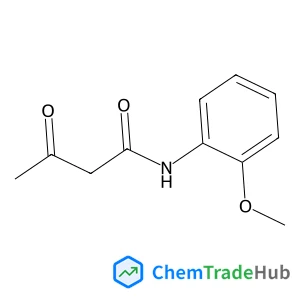
N-(2-Methoxyphenyl)-3-oxobutanamide(CAS: 92-15-9)
CAS Number
Related Products

methanol; trifluoro-methoxy-boron
CAS Number: 2802-68-8
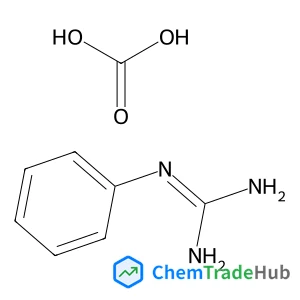
Carbonic acid - 1-phenylguanidine (1:1)
CAS Number: 6685-76-3
![1,7,7-Trimethylbicyclo[2.2.1]heptane-2,3-dione](https://static.chemtradehub.com/structs/103/10373-78-1-714c.webp)
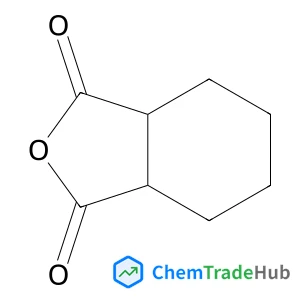
octahydro-2-benzofuran-1,3-dione
CAS Number: 85-42-7
![1-[(4xi)-beta-D-(~13~C_5_)-erythro-Pentofuranosyl]-1H-1,2,4-triazole-3-carboxamide](https://static.chemtradehub.com/structs/164/1646818-35-0-ea01.webp)
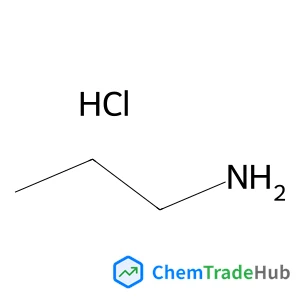
1-Propanamine hydrochloride (1:1)
CAS Number: 556-53-6
![1,1,2,2-Tetrafluoro-1-[2-(1,1,2,2-tetrafluoroethoxy)ethoxy]ethane](https://static.chemtradehub.com/structs/358/358-39-4-0089.webp)
Other Suppliers for N-(2-Methoxyphenyl)-3-oxobutanamide



Basic Information
Molecular Formula
C11H13NO3
Molecular Weight
207.23 g/mol
Physical State
Powder
Physical Properties
Melting Point
85.0 to 87.0 deg-C
Boiling Point
372.9°C at 760 mmHg
Density
1.1320
Flash Point
157 C
Chemical Identifiers
SMILES
CC(=O)CC(=O)NC1=CC=CC=C1OC
InChIKey
KYYRTDXOHQYZPO-UHFFFAOYSA-N
Database References
MDL Number
MFCD00008781
FAQ
What are the physical and chemical properties of N-(2-Methoxyphenyl)-3-oxobutanamide (CAS: 92-15-9)?
N-(2-Methoxyphenyl)-3-oxobutanamide (CAS: 92-15-9) is a white crystalline solid with a molecular weight of 222.25 g/mol. It has a solubility of 1.5 g/L in water and is slightly soluble in ethanol. The compound is chemically stable but can undergo hydrolysis under acidic or basic conditions. It is a weak acid and shows some reactivity towards nucleophiles.
N-(2-Methoxyphenyl)-3-oxobutanamide (CAS: 92-15-9) is typically synthesized via a condensation reaction between 2-methoxybenzaldehyde and acetoacetic acid. The reaction is catalyzed by an acid such as hydrochloric acid or trifluoroacetic acid. High yields (up to 90%) can be achieved with careful control of reaction conditions and use of anhydrous solvents.
N-(2-Methoxyphenyl)-3-oxobutanamide (CAS: 92-15-9) is used in the pharmaceutical industry for the synthesis of certain drugs. It is also found in the polymer industry as a monomer for the production of specialty polymers. Additionally, it has applications in the sensor and semiconductor industries for use in the fabrication of advanced materials.
When handling N-(2-Methoxyphenyl)-3-oxobutanamide (CAS: 92-15-9), it is important to wear appropriate personal protective equipment (PPE) including gloves, safety glasses, and a lab coat. The material should be handled in a well-ventilated area or a fume hood to prevent inhalation. Spills should be cleaned up with appropriate absorbent materials and disposed of according to local regulations. Always refer to the Safety Data Sheet (SDS) for detailed safety information.
Safety Notice
Please verify product specifications and safety data before use. Contact the supplier for detailed safety information.
Always follow proper handling procedures