



AD
3-Sulfanyl-1,2-propanediol(CAS: 96-27-5)
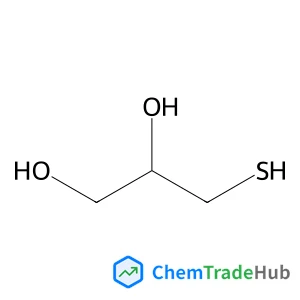
CAS Number
Related Products
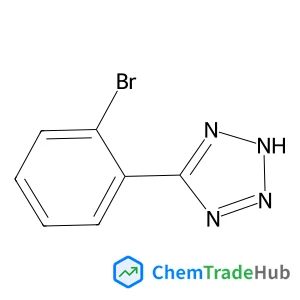
5-(2-Bromophenyl)-1H-tetrazole
CAS Number: 73096-42-1
![2-[2,4-Bis(2-methyl-2-butanyl)phenoxy]-N-(3,5-dichloro-4-ethyl-2-hydroxyphenyl)butanamide](https://static.chemtradehub.com/structs/939/93951-12-3-3abc.webp)
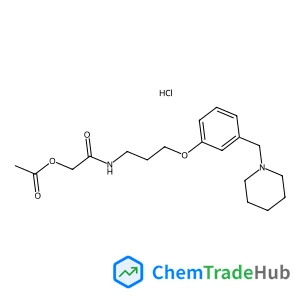
Roxatidine acetate hydrochloride
CAS Number: 93793-83-0
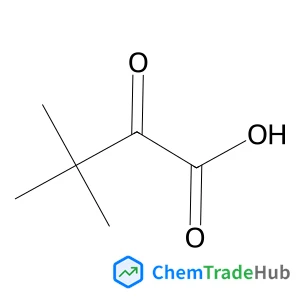
3,3-Dimethyl-2-oxobutanoic acid
CAS Number: 815-17-8
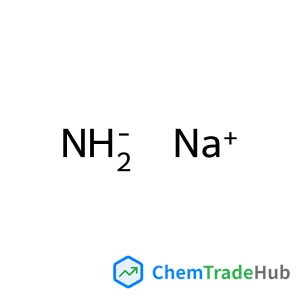
Sodium azanide
CAS Number: 7782-92-5
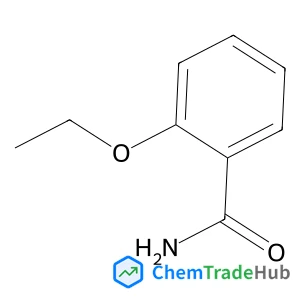
Ethenzamide
CAS Number: 938-73-8
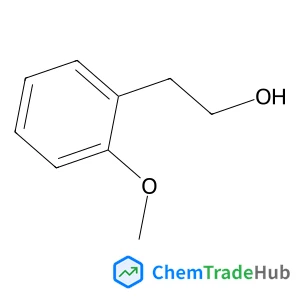
2-(2-Methoxyphenyl)ethanol
CAS Number: 7417-18-7
Other Suppliers for 3-Sulfanyl-1,2-propanediol






Basic Information
Molecular Formula
C3H8O2S
Molecular Weight
108.16 g/mol
Physical Properties
Boiling Point
118 °C/5 mmHg(lit.)
Density
1.25 g/mL at 25 °C(lit.)
Chemical Identifiers
SMILES
OCC(O)CS
InChIKey
PJUIMOJAAPLTRJ-UHFFFAOYSA-N
Database References
MDL Number
MFCD00004879
Beilstein Registry Number
1732046
FAQ
3-Sulfanyl-1,2-propanediol (CAS: 96-27-5) is subject to various regulatory guidelines. Under the Globally Harmonized System of Classification and Labeling of Chemicals (GHS), it may be classified as a skin corrosion/irritation category 1 and category 2 substance. Additionally, it is regulated under the European Union’s Registration, Evaluation, Authorization and Restriction of Chemicals (REACH) regulation. In the United States, it is also subject to requirements by the Environmental Protection Agency (EPA) and the Food and Drug Administration (FDA) for substances in consumer products and pharmaceuticals, respectively.
There are several alternatives to 3-Sulfanyl-1,2-propanediol (CAS: 96-27-5) in synthesis, including 2-Mercaptoethanol and 1-Propanethiol. These alternatives can be used as precursors for thiol-containing compounds. However, their availability, cost, and reactivity vary, and they may not always be suitable as direct replacements due to differences in physical and chemical properties.
The market for 3-Sulfanyl-1,2-propanediol (CAS: 96-27-5) is currently stable, with increasing demand in pharmaceuticals and cosmetics due to its use as a reducing agent and as a precursor in the synthesis of other compounds. Research trends are focusing on its use in drug delivery systems and as a stabilizer in pharmaceutical formulations. The trend towards sustainable and eco-friendly chemicals is also driving interest in this compound as an alternative to more toxic reagents.
Waste containing 3-Sulfanyl-1,2-propanediol (CAS: 96-27-5) should be collected and disposed of in accordance with local and national regulations. It is recommended to neutralize the waste to a pH of 7-8 using a base, followed by safe disposal through an approved hazardous waste management company. Proper incineration or chemical treatment is necessary to ensure environmental protection. Always consult local regulatory requirements and safety data sheets for specific handling and disposal procedures.
Safety Notice
Please verify product specifications and safety data before use. Contact the supplier for detailed safety information.
Always follow proper handling procedures
Contact Information
info@meitechem.com