



AD
Polyvinyl chloride(PVC)(CAS: 9002-86-2)
CAS Number
Related Products
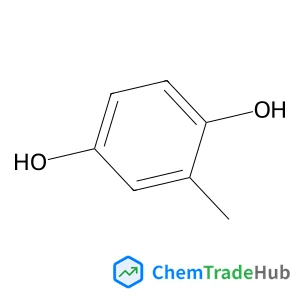
2-Methyl-1,4-benzenediol
CAS Number: 95-71-6
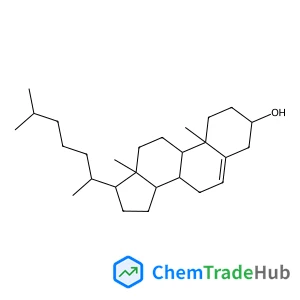
(3beta)-Cholest-5-en-3-ol
CAS Number: 57-88-5
![(1R,2S,6R,7S)-tricyclo[5.2.1.02,6]decane](https://static.chemtradehub.com/structs/282/2825-82-3-d720.webp)
![3-(3,5-Dichlorophenyl)-2-oxo-1-oxaspiro[4.5]dec-3-en-4-yl 2,2-dimethylbutanoate](https://static.chemtradehub.com/structs/148/148477-71-8-0665.webp)
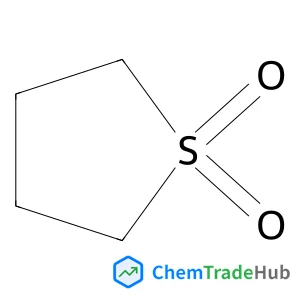
Tetrahydrothiophene 1,1-dioxide
CAS Number: 126-33-0
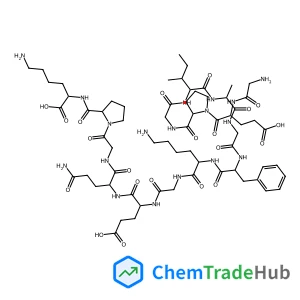
Collagen(cattle skin) (9CI)
CAS Number: 9064-67-9
![3,15-Bis(2-aminoethyl)-6,9-bis{2-[(2-aminoethyl)amino]ethyl}-3,6,9,12,15-pentaazaheptadecane-1,17-diamine](https://static.chemtradehub.com/structs/900/9002-98-6-d236.webp)
Other Suppliers for Polyvinyl chloride(PVC)


Basic Information
Molecular Formula
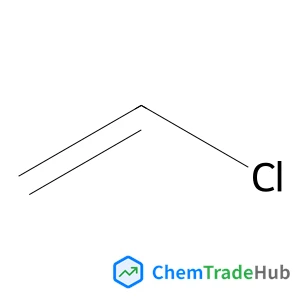
C2H3Cl
Molecular Weight
62.5 g/mol
Physical Properties
Density
1.4 g/mL at 25 °C(lit.)
Chemical Identifiers
SMILES
C=CCl
InChIKey
BZHJMEDXRYGGRV-UHFFFAOYSA-N
Database References
MDL Number
MFCD00084459
FAQ
Polyvinyl chloride (PVC), with CAS number 9002-86-2, is a synthetic polymer made from vinyl chloride monomer. It is a versatile and widely used material known for its durability, flexibility, and resistance to chemicals. PVC exists in two main forms: rigid and flexible, depending on the addition of plasticizers. It is commonly used in various industries due to its cost-effectiveness and customizable properties.
Polyvinyl chloride (PVC), CAS 9002-86-2, is used extensively in construction for pipes, window frames, and flooring. It also finds applications in medical devices, packaging materials, electrical insulation, and textiles. In the pharmaceutical industry, PVC is used in drug delivery systems and as a component in some medicinal products. Its versatility makes it suitable for numerous industrial, commercial, and consumer applications.
Polyvinyl chloride (PVC), CAS 9002-86-2, is generally considered safe when handled properly. However, it can release harmful substances like dioxins during production or improper burning. In industrial settings, appropriate safety measures and protective equipment are essential. PVC is widely used in regulated environments, and its safety depends on compliance with handling and disposal guidelines.
Polyvinyl chloride (PVC), CAS 9002-86-2, should be stored in a cool, dry, and well-ventilated area away from direct sunlight. It is best kept in sealed, non-corrosive containers to prevent degradation. Maintaining stable temperature and humidity levels ensures the material's longevity and performance. Avoid exposure to strong acids or alkalis to preserve its structural integrity.
Safety Notice
Please verify product specifications and safety data before use. Contact the supplier for detailed safety information.
Always follow proper handling procedures
Contact Information
2355779414@qq.com