



AD
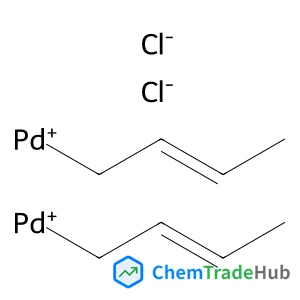
(2-Butenyl)chloropalladium dimer(CAS: 12081-22-0)
CAS Number
Related Products
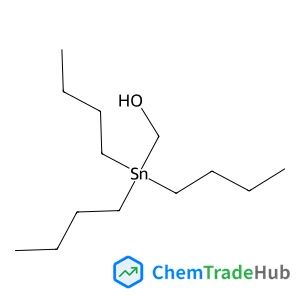
(Tributylstannyl)methanol
CAS Number: 27490-33-1
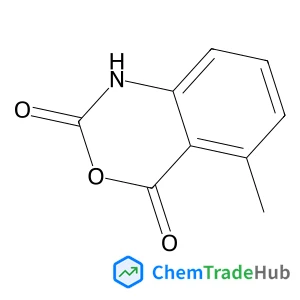
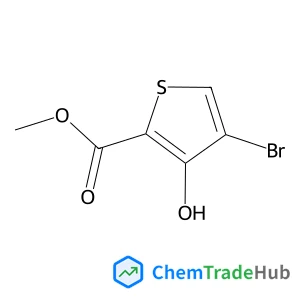
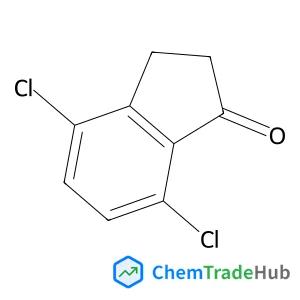
4,7-Dichloro-1-indanone
CAS Number: 52977-63-6
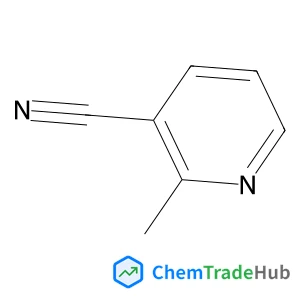
2-Methylnicotinonitrile
CAS Number: 1721-23-9
![Ethyl 5-bromo-2-({[(2-methyl-2-propanyl)oxy]carbonyl}amino)-3-thiophenecarboxylate](https://static.chemtradehub.com/structs/126/1260664-49-0-bc89.webp)
Other Suppliers for (2-Butenyl)chloropalladium dimer







Basic Information
Molecular Formula
C8H14Cl2Pd2
Molecular Weight
393.94 g/mol
Physical Properties
Melting Point
133-140 °C
Chemical Identifiers
SMILES
[Pd+]C/C=C/C.[Pd+]C/C=C/C.[Cl-].[Cl-]
InChIKey
ZMPSAJZWHPLTKH-HYTOEPEZSA-L
Database References
MDL Number
MFCD01074457
FAQ
What are the physical and chemical properties of (2-Butenyl)chloropalladium dimer (CAS: 12081-22-0)?
(2-Butenyl)chloropalladium dimer is a yellowish-red solid with a crystalline form. It has a molecular weight of approximately 347.4 g/mol. This compound is poorly soluble in water but soluble in organic solvents such as ethanol and acetone. It is a highly reactive compound, primarily used as a catalyst in cross-coupling reactions. Due to its reactivity, it is important to handle it under inert conditions to prevent decomposition.
(2-Butenyl)chloropalladium dimer is synthesized through palladium-catalyzed chlorination of 2-butene. The process involves the use of palladium as a catalyst, typically in the presence of a chloride source. The reaction is carried out under an inert atmosphere to avoid decomposition. High yields and good selectivity are achieved under optimized conditions, but precise control of reaction parameters is essential for reproducibility.
(2-Butenyl)chloropalladium dimer finds applications in various industries, particularly in organic synthesis. It is widely used in pharmaceutical manufacturing for the synthesis of complex organic molecules. Additionally, it is employed in the production of polymers and in the development of sensors and semiconductors due to its catalytic properties. Its reactivity makes it a valuable tool in the development of novel materials and drug compounds.
When handling (2-Butenyl)chloropalladium dimer, it is crucial to use appropriate personal protective equipment (PPE), including gloves, goggles, and a lab coat. The compound should be used in a well-ventilated area or fume hood to minimize exposure to hazardous fumes. In case of a spill, it should be handled according to Material Safety Data Sheet (MSDS) guidelines, which include the use of appropriate absorbents and disposal methods. Always consult the SDS for detailed safety information before handling this compound.
Safety Notice
Please verify product specifications and safety data before use. Contact the supplier for detailed safety information.
Always follow proper handling procedures
Contact Information
helen@struchem.com