



AD
5-Hydroxypyrazine-2-Carboxylic Acid(CAS: 34604-60-9)
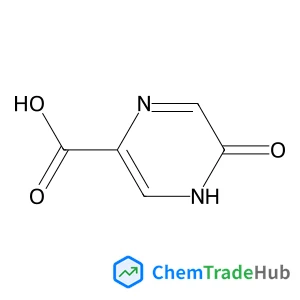
CAS Number
Related Products
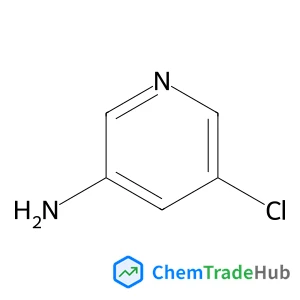
5-Chloro-3-pyridinamine
CAS Number: 22353-34-0
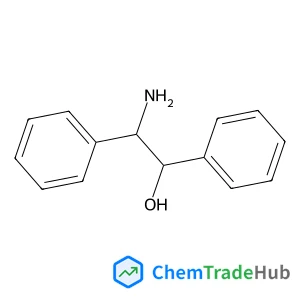
(1S,2R)-2-Amino-1,2-diphenylethanol
CAS Number: 23364-44-5
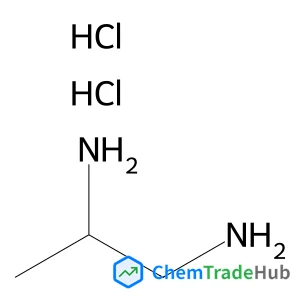
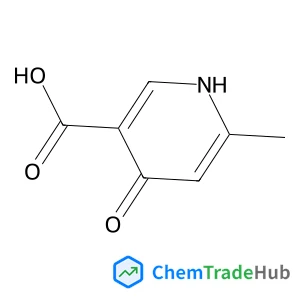
4-Hydroxy-6-methylnicotinic acid
CAS Number: 67367-33-3
![2-{[4-(Diethylamino)phenyl][4-(diethyliminio)-2,5-cyclohexadien-1-ylidene]methyl}-1,4-benzenedisulfonate](https://static.chemtradehub.com/structs/682/68238-36-8-a3c4.webp)
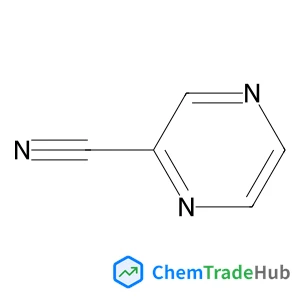
Pyrazinecarbonitrile
CAS Number: 19847-12-2
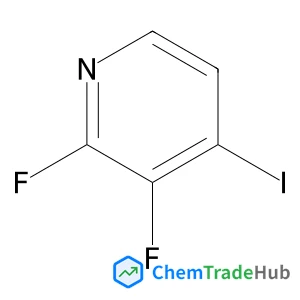
2,3-Difluoro-4-iodopyridine
CAS Number: 851386-34-0
Other Suppliers for 5-Hydroxypyrazine-2-Carboxylic Acid




Basic Information
Molecular Formula
C5H4N2O3
Molecular Weight
140.1 g/mol
Physical State
Pale-yellow to Yellow-brown Solid
Physical Properties
Melting Point
>295°C (dec.)
Boiling Point
608.5°C at 760 mmHg
Chemical Identifiers
SMILES
C1=C(N=CC(=O)N1)C(=O)O
InChIKey
CGQFCIHUUCMACC-UHFFFAOYSA-N
Database References
MDL Number
MFCD00190599
FAQ
5-Hydroxypyrazine-2-Carboxylic Acid (CAS: 34604-60-9) is classified under GHS as a chemical that may present a health hazard. It falls under the scope of REACH regulations in the EU, requiring suppliers to register the substance and provide safety data sheets. FDA and EPA may also have specific requirements for its use and handling in the United States, including labeling and reporting obligations.
There are several alternatives to 5-Hydroxypyrazine-2-Carboxylic Acid in synthesis, including 2-Hydroxypyridine and 3-Hydroxypyrazine. These compounds can serve as effective substitutes depending on the specific reaction conditions and desired end product. Other reagents such as hydroxypyrazoles and carboxylic acids can also be considered based on the chemical structure and functional groups.
The market for 5-Hydroxypyrazine-2-Carboxylic Acid (CAS: 34604-60-9) is currently stable, with increasing interest in its use as an intermediate in pharmaceuticals and agrochemicals. Research trends are focusing on its application in the synthesis of bioactive compounds and as a building block for complex molecules. Demand is expected to grow as new applications are discovered and developed.
Waste containing 5-Hydroxypyrazine-2-Carboxylic Acid (CAS: 34604-60-9) should be collected in appropriate containers and labeled with appropriate hazard warnings. Incineration is a common method for disposing of this waste, provided it meets local environmental regulations. Professional waste disposal services can also be utilized to ensure compliance with environmental protection measures and safe disposal of the waste.
Safety Notice
Please verify product specifications and safety data before use. Contact the supplier for detailed safety information.
Always follow proper handling procedures
Contact Information
Contact Person
Mr. Qiu