



AD
(2S)-propane-1,2-diamine;dihydrochloride(CAS: 19777-66-3)
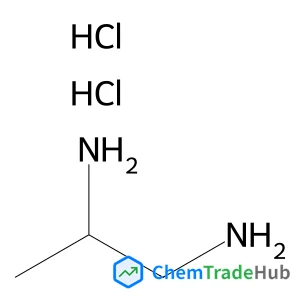
CAS Number
Related Products
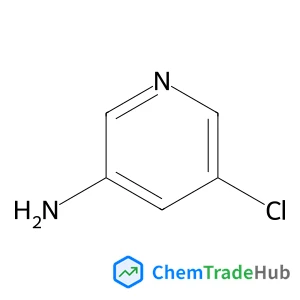
5-Chloro-3-pyridinamine
CAS Number: 22353-34-0
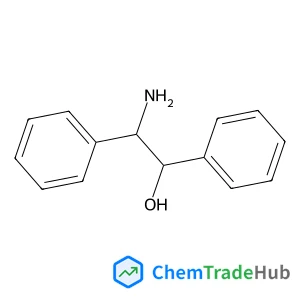
(1S,2R)-2-Amino-1,2-diphenylethanol
CAS Number: 23364-44-5
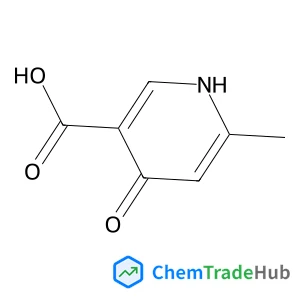
4-Hydroxy-6-methylnicotinic acid
CAS Number: 67367-33-3
![2-{[4-(Diethylamino)phenyl][4-(diethyliminio)-2,5-cyclohexadien-1-ylidene]methyl}-1,4-benzenedisulfonate](https://static.chemtradehub.com/structs/682/68238-36-8-a3c4.webp)
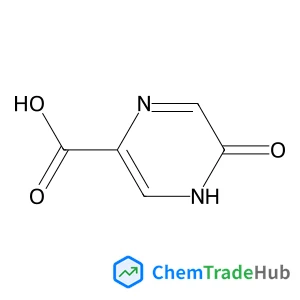
5-Hydroxypyrazine-2-Carboxylic Acid
CAS Number: 34604-60-9
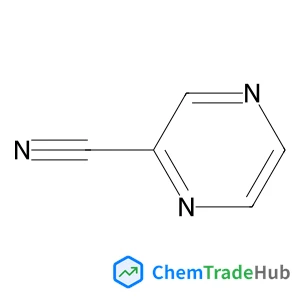
Pyrazinecarbonitrile
CAS Number: 19847-12-2
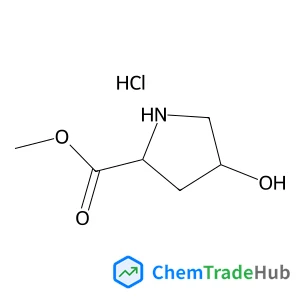
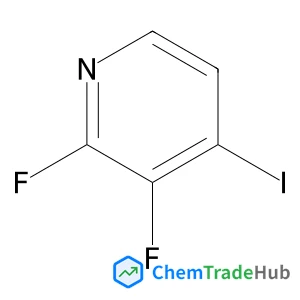
2,3-Difluoro-4-iodopyridine
CAS Number: 851386-34-0
Other Suppliers for (2S)-propane-1,2-diamine;dihydrochloride



Basic Information
Molecular Formula
C3H12Cl2N2
Molecular Weight
147.05 g/mol
Physical Properties
Melting Point
227-229 °C (lit.)
Boiling Point
No data available
Flash Point
No data available
Chemical Identifiers
SMILES
CC(CN)N.Cl.Cl
InChIKey
AEIAMRMQKCPGJR-QTNFYWBSSA-N
Database References
MDL Number
MFCD00050706
Beilstein Registry Number
5740936
FAQ
(2S)-Propane-1,2-diamine;dihydrochloride (CAS: 19777-66-3) is a colorless crystalline solid with a molecular weight of approximately 119.62 g/mol. It is highly soluble in water and less soluble in organic solvents. Chemically, it acts as a Lewis base, reacting with acids. It can form complexes with metal ions and is known for its hydrogen bonding capabilities.
(2S)-Propane-1,2-diamine;dihydrochloride is typically synthesized by the reaction of ethylenediamine with HCl under controlled conditions. Common methods include the direct addition of HCl to ethylenediamine or the condensation of chloroacetic acid with ethylenediamine. The reaction is usually conducted in a water or aprotic solvent to control the formation of the dihydrochloride salt.
(2S)-Propane-1,2-diamine;dihydrochloride (CAS: 19777-66-3) is used in the pharmaceutical industry for the synthesis of certain drugs due to its amine functionality. It is also utilized in the polymer industry as a curing agent and in the semiconductor industry for the fabrication of sensors and devices. Its properties make it a versatile compound in these sectors.
When handling (2S)-propane-1,2-diamine;dihydrochloride (CAS: 19777-66-3), it is important to wear appropriate personal protective equipment (PPE), including gloves and goggles. It should be handled in a well-ventilated area or a fume hood to avoid inhaling the fumes. Spills should be cleaned up using appropriate absorbents, and the area should be well ventilated. Always refer to the Safety Data Sheet (SDS) for detailed information on handling and emergency procedures.
Safety Notice
Please verify product specifications and safety data before use. Contact the supplier for detailed safety information.
Always follow proper handling procedures
Contact Information
Contact Person
Mr. Qiu