



AD
Di(dithioperoxo)sulfuric acid, sodium salt, hydrate (1:2:2)(CAS: 13721-29-4)
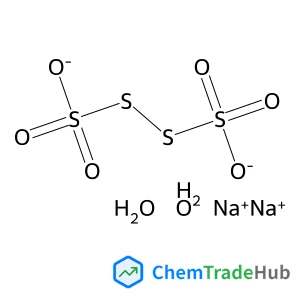
CAS Number
Related Products
![1-[4-Amino-3-chloro-5-(trifluoromethyl)phenyl]-2-[(2-methyl-2-propanyl)amino]ethanol hydrochloride (1:1)](https://static.chemtradehub.com/structs/542/54240-36-7-06e4.webp)
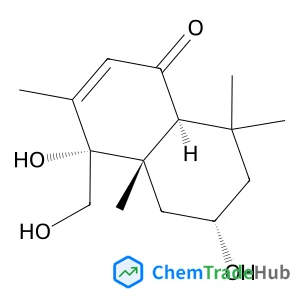
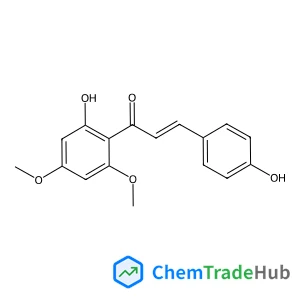
2',4-Dihydroxy-4',6'-dimethoxychalcone
CAS Number: 37308-75-1
![8-({(3R,4R,5S)-3-[(4,4-Difluorocyclohexyl)methoxy]-5-methoxy-4-piperidinyl}amino)-3-methyl-5-(5-methyl-3-pyridinyl)-1,7-naphthyridin-2(1H)-one](https://static.chemtradehub.com/structs/199/1997369-78-4-ea15.webp)
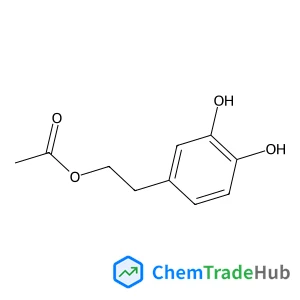
2-(3,4-Dihydroxyphenyl)ethyl acetate
CAS Number: 69039-02-7
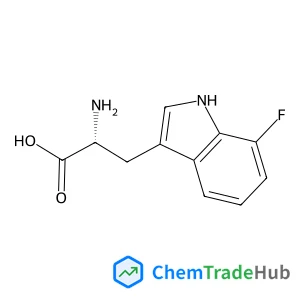
7-Fluorotryptophan
CAS Number: 138514-98-4
![5-[(1S)-1-{(1R,2R)-2-[(1R,3R)-2,2-Dimethyl-3-(3-oxobutyl)cyclopropyl]-1-methyl-3-oxocyclopentyl}-3-methylbutyl]-2,4,6-trihydroxyisophthalaldehyde](https://static.chemtradehub.com/structs/221/221899-21-4-fc5c.webp)
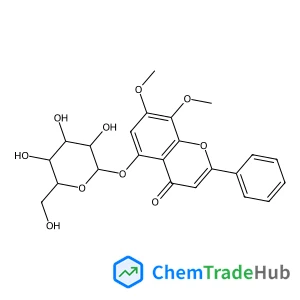
Andrographidine C
CAS Number: 113963-39-6
![(2E)-3-(6-Bromo-2-pyridinyl)-2-cyano-N-[(1S)-1-phenylethyl]acrylamide](https://static.chemtradehub.com/structs/857/857064-38-1-2c6b.webp)
Other Suppliers for Di(dithioperoxo)sulfuric acid, sodium salt, hydrate (1:2:2)






Basic Information
Molecular Formula
H4Na2O8S4
Molecular Weight
306.3 g/mol
Chemical Identifiers
SMILES
O.O.[O-]S(=O)(=O)SSS(=O)(=O)[O-].[Na+].[Na+]
InChIKey
HAEPBEMBOAIUPN-UHFFFAOYSA-L
Database References
MDL Number
MFCD00149161
FAQ
Di(dithioperoxo)sulfuric acid, sodium salt, hydrate (CAS: 13721-29-4) is classified as a hazardous chemical under the Globally Harmonized System of Classification and Labelling of Chemicals (GHS). It falls under Category 2 for skin corrosion/irritation. In the European Union, it is regulated under REACH, with notification and registration requirements. The U.S. EPA and FDA may also have specific requirements for the handling and use of this compound, including proper labeling, storage, and disposal practices.
There are alternative reagents that can be used in synthesis, such as dithiooxamide and other sulfur-based compounds. These alternatives can provide similar functionality but may offer better safety profiles or lower reactivity. It is important to consider the specific reaction conditions and desired product when choosing an alternative.
The market for Di(dithioperoxo)sulfuric acid, sodium salt, hydrate (CAS: 13721-29-4) is influenced by its use in redox chemistry and organic synthesis. Research trends are moving towards the development of safer and more sustainable alternatives. Additionally, efforts are being made to improve the handling and disposal of this compound due to its hazardous nature. The market is expected to continue to evolve with advancements in green chemistry and environmental regulations.
Waste containing Di(dithioperoxo)sulfuric acid, sodium salt, hydrate (CAS: 13721-29-4) should be collected in appropriate containers, labeled clearly, and stored in a secure location. It should then be disposed of through professional waste disposal services. Incineration is a common method for disposal, but it must be conducted in compliance with local regulations. Environmental protection measures, such as neutralizing the waste before disposal, should be followed to minimize environmental impact.
Safety Notice
Please verify product specifications and safety data before use. Contact the supplier for detailed safety information.
Always follow proper handling procedures
Contact Information
2851167780@qq.com
Mobile
13348961525
Fax
028-81705658
Visit Website
https://www.weikeqi-biotech.com