



AD
bis(adamantan-1-yl)(butyl)phosphane(CAS: 321921-71-5)
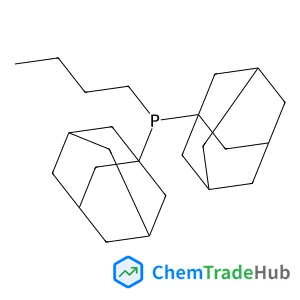
CAS Number
Related Products
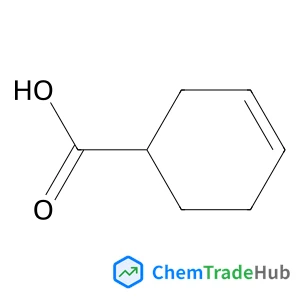
(1S)-3-Cyclohexene-1-carboxylic acid
CAS Number: 5708-19-0
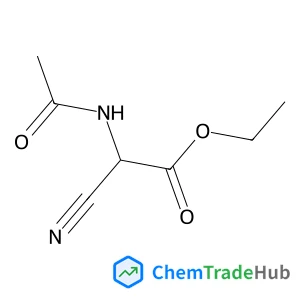
Ethyl Acetamidocyanoacetate
CAS Number: 4977-62-2
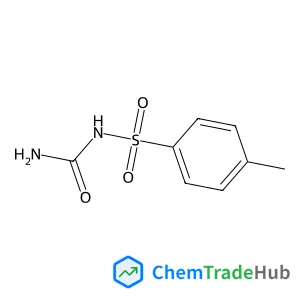
N-Carbamoyl-4-methylbenzenesulfonamide
CAS Number: 1694-06-0
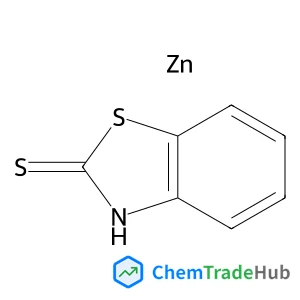
Zinc bis(1,3-benzothiazole-2-thiolate)
CAS Number: 155-04-4
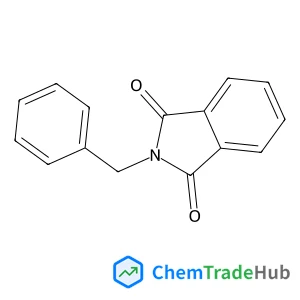
2-Benzyl-1H-isoindole-1,3(2H)-dione
CAS Number: 2142-01-0
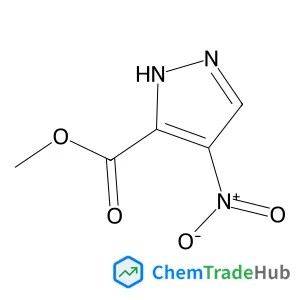
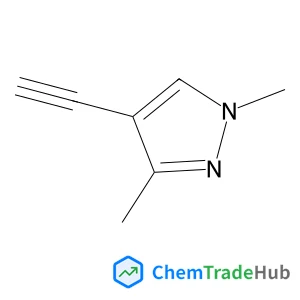
4-Ethynyl-1,3-dimethyl-1H-pyrazole
CAS Number: 61514-53-2
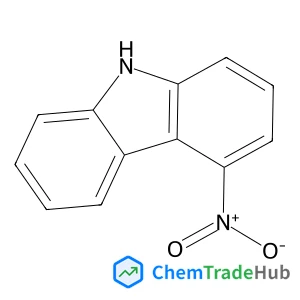
1-Nitro-9H-carbazole
CAS Number: 57905-76-7
Other Suppliers for bis(adamantan-1-yl)(butyl)phosphane







Basic Information
Molecular Formula
C24H39P
Molecular Weight
358.55 g/mol
Physical State
No data available
Physical Properties
Melting Point
100°C
Boiling Point
355-360°C
Density
1.6670
Flash Point
100 °C
Chemical Identifiers
SMILES
CCCCP(C12CC3CC(C1)CC(C3)C2)C45CC6CC(C4)CC(C6)C5
InChIKey
HTJWUNNIRKDDIV-UHFFFAOYSA-N
Database References
MDL Number
MFCD05861606
FAQ
Bis(adamantan-1-yl)(butyl)phosphane is a colorless liquid with a molecular weight of approximately 342.45 g/mol. It has a high boiling point and low solubility in water but is soluble in organic solvents. This compound shows moderate reactivity, particularly under basic conditions, and is used in various organic syntheses due to its unique structure.
Bis(adamantan-1-yl)(butyl)phosphane is synthesized through the reaction of butyllithium with adamantan-1-yl phosphine. The reaction is carried out under anhydrous conditions and is highly stereoselective, ensuring high yield and purity. Suitable solvents include THF or toluene.
Bis(adamantan-1-yl)(butyl)phosphane is primarily used in the pharmaceutical industry for the synthesis of complex molecules. It is also utilized in polymer chemistry, where it serves as a chain transfer agent, and in the electronics industry for the production of semiconductors and sensors due to its unique reactivity.
Handling bis(adamantan-1-yl)(butyl)phosphane requires caution due to its reactivity. Always use appropriate personal protective equipment (PPE), including gloves, lab coat, and safety glasses. Work in a fume hood to minimize inhalation exposure. Store the compound in a cool, dry place away from moisture and heat. In case of spill, neutralize with a suitable base and dispose of according to local regulations. Refer to the Safety Data Sheet (SDS) for detailed information.
Safety Notice
Please verify product specifications and safety data before use. Contact the supplier for detailed safety information.
Always follow proper handling procedures
Contact Information
jacschem@163.com