



AD
Phosphinidynecobalt(CAS: 12134-02-0)
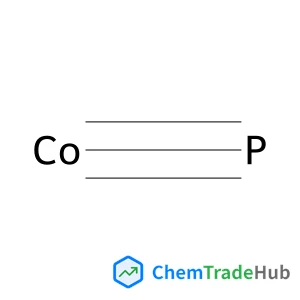
CAS Number
Related Products

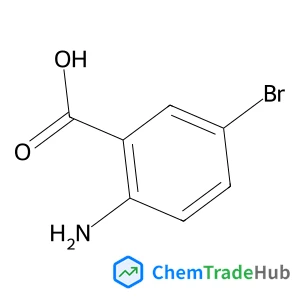
2-Amino-5-bromobenzoic acid
CAS Number: 5794-88-7
![2-(5H-Chromeno[2,3-b]pyridin-7-yl)propanoic acid](https://static.chemtradehub.com/structs/525/52549-17-4-e06c.webp)
![1-(6,11-Dihydro-5H-dibenzo[b,e]azepin-6-yl)methanamine](https://static.chemtradehub.com/structs/412/41218-84-2-28ce.webp)

Tetramethoxygermane
CAS Number: 992-91-6
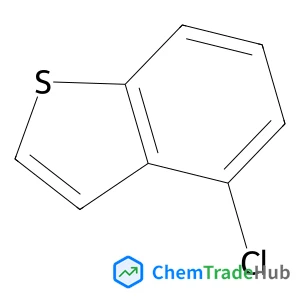
4-Chloro-1-benzothiophene
CAS Number: 66490-33-3

Nonatriacontane
CAS Number: 7194-86-7

1,5-Hexadiene-3,4-diol
CAS Number: 1069-23-4
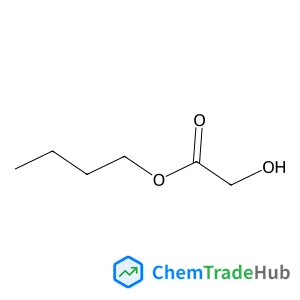
Butyl glycolate
CAS Number: 7397-62-8
Other Suppliers for Phosphinidynecobalt







Basic Information
Molecular Formula
CoP
Molecular Weight
34 g/mol
EINECS
235-212-4
Physical Properties
Melting Point
1386°C
Boiling Point
°Cat760mmHg
Density
6.4^1^5
Flash Point
°C
Water Solubility
insoluble H2O; soluble HNO3 [KIR79]
Chemical Identifiers
SMILES
P#[Co]
InChIKey
SIBIBHIFKSKVRR-UHFFFAOYSA-N
Database References
MDL Number
MFCD00016027
FAQ
Phosphinidynecobalt (CAS: 12134-02-0) is a complex compound with a molecular weight of approximately 134.9 g/mol. It is a colorless or pale yellow crystalline solid with a density around 2.0 g/cm³. This compound is highly reactive and soluble in non-aqueous solvents such as dimethylformamide (DMF) and dimethyl sulfoxide (DMSO). It readily undergoes substitution reactions and can act as a ligand in coordination chemistry.
Phosphinidynecobalt (CAS: 12134-02-0) is typically synthesized via a reaction between cobalt(II) salts and phosphine in the presence of a suitable solvent. The reaction involves the formation of a complex where the phosphine ligand replaces a halide or water molecule from the cobalt salt. Common solvents include dimethylformamide (DMF) or dimethyl sulfoxide (DMSO). The process requires careful control of temperature and reaction time to achieve high yield and selectivity.
Phosphinidynecobalt (CAS: 12134-02-0) is used in various industries, particularly in pharmaceuticals, where it serves as a potent ligand in catalytic reactions. It is also utilized in the synthesis of polymers, sensors, and semiconductors due to its unique coordination chemistry properties. Its reactivity and specific binding capabilities make it valuable in the development of new materials and chemical processes.
When handling Phosphinidynecobalt (CAS: 12134-02-0), it is crucial to follow proper safety protocols. Use appropriate personal protective equipment (PPE) such as gloves, goggles, and a lab coat. Work in a well-ventilated area or fume hood to minimize inhalation of fumes. Store the compound in a cool, dry place away from heat and incompatible materials. In case of a spill, immediately clean it up using appropriate absorbents and dispose of the waste according to local regulations. Always refer to the Safety Data Sheet (SDS) for detailed handling instructions and emergency procedures.
Safety Notice
Please verify product specifications and safety data before use. Contact the supplier for detailed safety information.
Always follow proper handling procedures

Contact Information
1208480055@qq.com
Mobile
13657291602
Fax
QQ:1098480033
Visit Website
http://www.guangaobio.com/