



AD
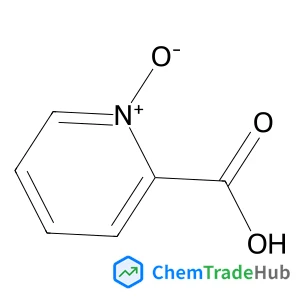
2-Pyridinecarboxylic acid 1-oxide(CAS: 824-40-8)
CAS Number
Related Products
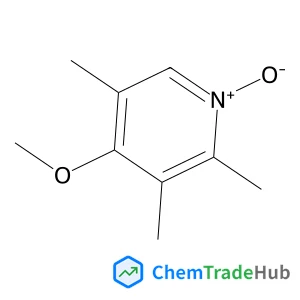
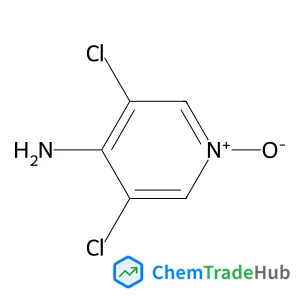
3,5-Dichloro-4-pyridinamine 1-oxide
CAS Number: 91872-02-5
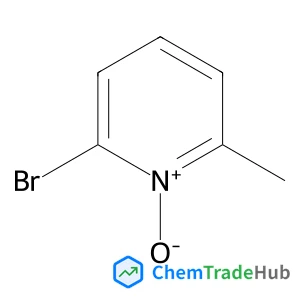
2-Bromo-6-methylpyridine 1-oxide
CAS Number: 91668-84-7
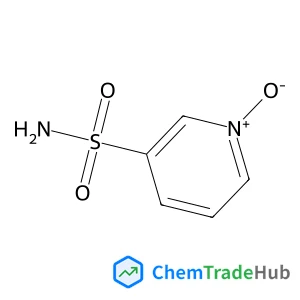
3-Pyridinesulfonamide 1-oxide
CAS Number: 68498-70-4
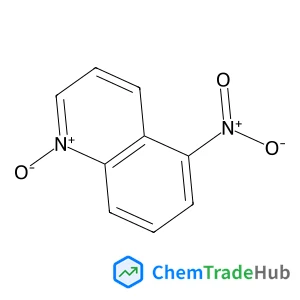
5-Nitroquinoline 1-oxide
CAS Number: 7613-19-6
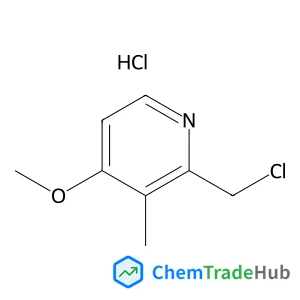
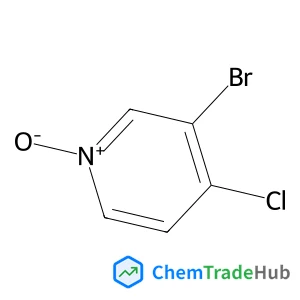
3-Bromo-4-chloropyridine 1-oxide
CAS Number: 99839-30-2
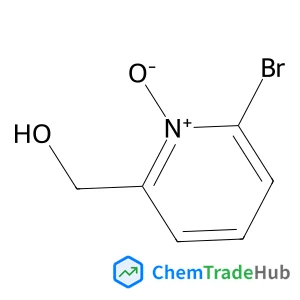
(6-Bromo-1-oxido-2-pyridinyl)methanol
CAS Number: 897943-05-4
Other Suppliers for 2-Pyridinecarboxylic acid 1-oxide







Basic Information
Molecular Formula
C6H5NO3
Molecular Weight
139.11 g/mol
Physical Properties
Melting Point
162 °C (dec.) (lit.)
Boiling Point
255.04°C (rough estimate)
Density
1.4429 (rough estimate)
Flash Point
237.4±21.2 °C
Chemical Identifiers
SMILES
OC(=O)c1cccc[n+]1[O-]
InChIKey
FHYMLBVGNFVFBT-UHFFFAOYSA-N
Database References
MDL Number
MFCD00006198
FAQ
2-Pyridinecarboxylic acid 1-oxide (CAS: 824-40-8) is a crystalline solid with a molecular weight of approximately 130.12 g/mol. It has a melting point of 220-222°C and a solubility of 0.25 g/100 mL in water at 25°C. The compound is moderately reactive, particularly towards bases and reducing agents. It is used in organic synthesis and as a reagent in various laboratory applications.
2-Pyridinecarboxylic acid 1-oxide (CAS: 824-40-8) can be synthesized by the oxidation of 2-pyridinecarboxylic acid using appropriate oxidizing agents such as pyridinium chlorochromate (PCC) or potassium permanganate. The reaction is carried out in an anhydrous medium and typically provides good yields. Care should be taken to ensure proper mixing and temperature control during the reaction.
2-Pyridinecarboxylic acid 1-oxide (CAS: 824-40-8) is used in various industries, including pharmaceuticals, where it serves as a precursor in the synthesis of certain drugs. It is also used in the production of polymers, sensors, and semiconductors. Its ability to participate in various chemical reactions makes it a valuable reagent in organic chemistry and materials science.
When handling 2-Pyridinecarboxylic acid 1-oxide (CAS: 824-40-8), appropriate personal protective equipment (PPE) such as gloves, goggles, and lab coat should be worn. This compound should be handled in a well-ventilated area or a fume hood to minimize exposure to vapors. Spills should be cleaned up carefully according to safety data sheet (SDS) guidelines. Always refer to the SDS for specific safety information and emergency procedures.
Safety Notice
Please verify product specifications and safety data before use. Contact the supplier for detailed safety information.
Always follow proper handling procedures
Contact Information
461667177@qq.com