



AD
Bis(2-methyl-2-propanyl)phosphinous chloride(CAS: 13716-10-4)
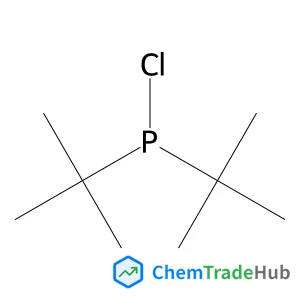
CAS Number
Related Products
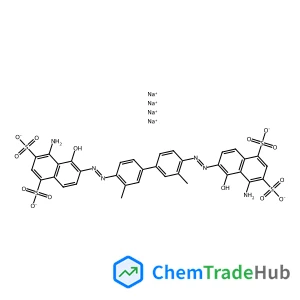
Evans blue
CAS Number: 314-13-6
![Sodium;2-[3,5-bis(2-hydroxyethyl)-1,3,5-triazinan-1-yl]ethanolate](https://static.chemtradehub.com/structs/904/9041-08-1-f8b0.webp)
![acetoxy-[[2-(bis-o-tolylphosphanyl)phenyl]methyl]palladium](https://static.chemtradehub.com/structs/172/172418-32-5-5ae9.webp)
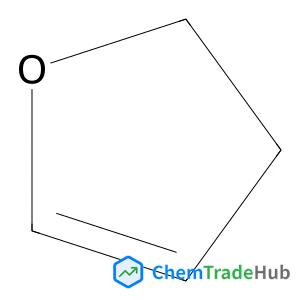
2,3-Dihydrofuran
CAS Number: 1191-99-7
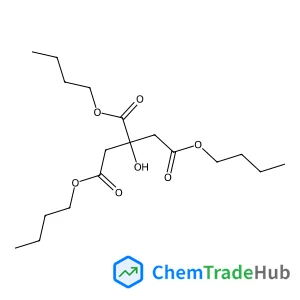
Tributyl citrate
CAS Number: 77-94-1

3-Hydroxybenzoic acid
CAS Number: 99-06-9
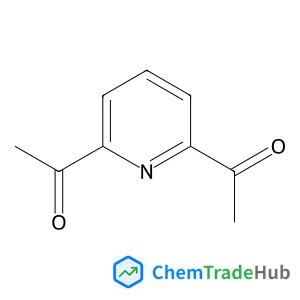
1,1'-(2,6-Pyridinediyl)diethanone
CAS Number: 1129-30-2
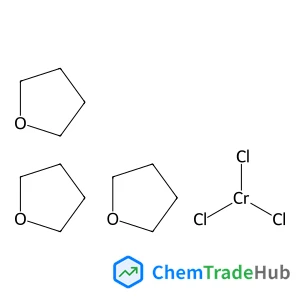
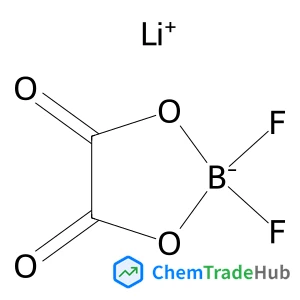
Lithium difluoro(oxalato)borate
CAS Number: 409071-16-5
Other Suppliers for Bis(2-methyl-2-propanyl)phosphinous chloride





Basic Information
Molecular Formula
C8H18ClP
Molecular Weight
180.66 g/mol
Physical Properties
Melting Point
3°C(lit.)
Boiling Point
72°C/13mmHg(lit.)
Chemical Identifiers
SMILES
CC(C)(C)P(C(C)(C)C)Cl
InChIKey
MCRSZLVSRGTMIH-UHFFFAOYSA-N
Database References
MDL Number
MFCD00008815
FAQ
Bis(2-methyl-2-propanyl)phosphinous chloride (CAS: 13716-10-4) is subject to the REACH regulation in the European Union, which requires registration of substances above a certain tonnage. Additionally, it falls under the GHS classification as a skin corrosion/irritation category 1 and serious eye damage/eye irritation category 1. For the United States, the EPA regulates this compound under the Toxic Substances Control Act (TSCA).
There are several alternatives to Bis(2-methyl-2-proanylp)phosphinous chloride in synthesis, including other phosphorus-containing compounds such as phosphorus trichloride and phosphorus pentoxide. These alternatives can offer similar functionalities but with different reactivity profiles, making them suitable for specific applications in organic synthesis.
The market for Bis(2-methyl-2-proanylp)phosphinous chloride (CAS: 13716-10-4) is growing due to its use in the production of various organic compounds, particularly in the pharmaceutical and agrochemical industries. Research is also focusing on its potential in new applications such as catalysis and materials science. Price trends suggest a steady demand with minor fluctuations based on supply and demand dynamics.
Waste containing Bis(2-methyl-2-proanylp)phosphinous chloride (CAS: 13716-10-4) should be collected in appropriate, leak-proof containers and stored in a well-ventilated area away from sources of ignition. It can be disposed of through incineration or professional waste disposal services that comply with local regulations. Proper protective equipment and handling procedures should be followed to ensure safety during disposal.
Safety Notice
Please verify product specifications and safety data before use. Contact the supplier for detailed safety information.
Always follow proper handling procedures

Contact Information
Contact Person
Li Shuang
lishuang@hwrkchemical.com
Mobile
13269663372
Telephone
010-89508211
Visit Website
http://www.hwrkchemical.comAddress
No. 10 Building, 5th Floor, Unit 501-044, Liuxiang Road, Fengtai District, Beijing