



AD
Aluminum nitrate(CAS: 13473-90-0)
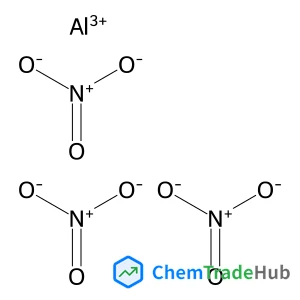
CAS Number
Related Products
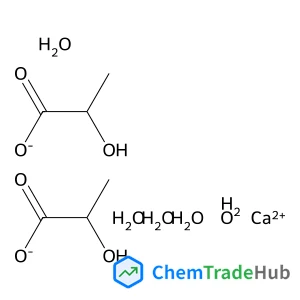
Calcium Lactate Pentahydrate
CAS Number: 5743-47-5
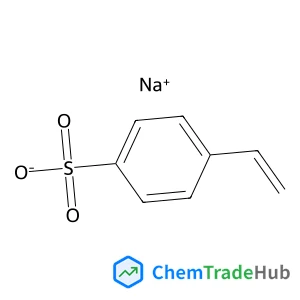
Sodium 4-vinylbenzenesulfonate
CAS Number: 2695-37-6
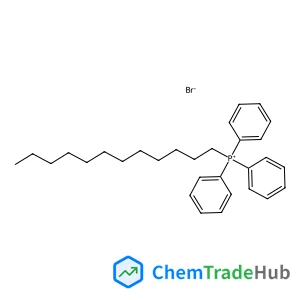
Dodecyl(triphenyl)phosphonium bromide
CAS Number: 15510-55-1
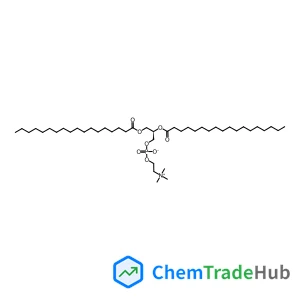
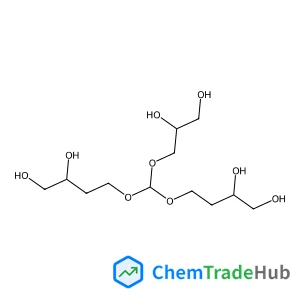
Poly(Propylene Glycol)
CAS Number: 25791-96-2
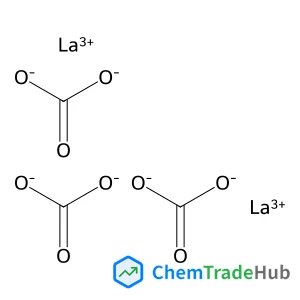
LANTHANUM CARBONATE
CAS Number: 587-26-8
Copper(1+) chloride
CAS Number: 1344-67-8
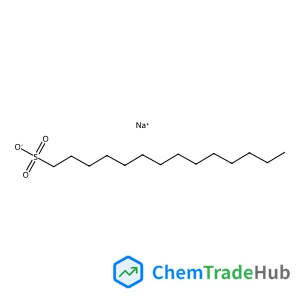
Sodium 1-tetradecanesulfonate
CAS Number: 6994-45-2
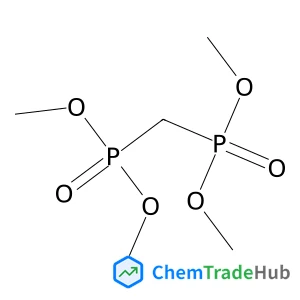
Tetramethyl methylenebis(phosphonate)
CAS Number: 16001-93-7
Other Suppliers for Aluminum nitrate


Basic Information
Molecular Formula
Al(NO3)3
Molecular Weight
213 g/mol
Physical Properties
Melting Point
73°C
Boiling Point
83 oC at 760 mmHg
Density
1.25
Chemical Identifiers
SMILES
[N+](=O)([O-])[O-].[N+](=O)([O-])[O-].[N+](=O)([O-])[O-].[Al+3]
InChIKey
JLDSOYXADOWAKB-UHFFFAOYSA-N
Database References
MDL Number
MFCD00003419
FAQ
Aluminum nitrate (CAS: 13473-90-0) is regulated under the Globally Harmonized System of Classification and Labelling of Chemicals (GHS), which classifies it as a non-flammable solid. In the European Union, it falls under REACH regulations. FDA and EPA regulations apply to its use in food and water treatment applications, respectively. Proper labeling, storage, and handling practices are required to comply with these guidelines.
There are several alternatives to aluminum nitrate that can be used in synthesis, such as aluminum chloride, aluminum sulfate, and aluminum oxychloride. These alternatives offer similar reactivity but may have different solubility and handling properties. The choice of alternative depends on the specific reaction conditions and desired outcomes.
Aluminum nitrate (CAS: 13473-90-0) continues to be a key reagent in water treatment, pharmaceuticals, and agriculture markets. Research trends show increasing interest in its use for improving water purification processes and its application in green chemistry. Market trends indicate steady demand with minor fluctuations due to industry-specific needs and environmental regulations.
Waste containing aluminum nitrate should be collected in appropriate containers and treated as a non-hazardous material. If contaminated with other chemicals, it may need to be treated as hazardous waste. Proper incineration or professional waste disposal should be used, following local regulations. Environmental precautions include ensuring containment to prevent soil or water contamination.
Safety Notice
Please verify product specifications and safety data before use. Contact the supplier for detailed safety information.
Always follow proper handling procedures
Contact Information
Contact Person
Manager Shi
1373640151@qq.com