



AD
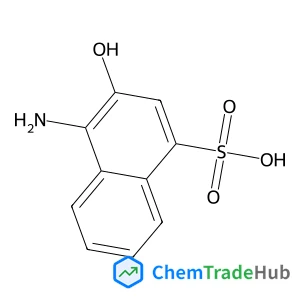
4-Amino-3-hydroxy-1-naphthalenesulfonic acid(CAS: 116-63-2)
CAS Number
Related Products
![[(1E)-2-Nitro-1-propen-1-yl]benzene](https://static.chemtradehub.com/structs/689/68988-92-1-4c64.webp)
[(1E)-2-Nitro-1-propen-1-yl]benzene
CAS Number: 68988-92-1
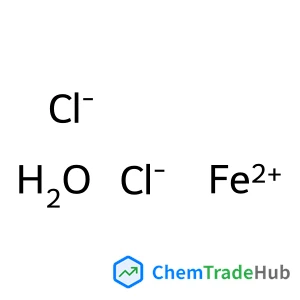
Iron(2+) chloride hydrate (1:2:1)
CAS Number: 13478-10-9
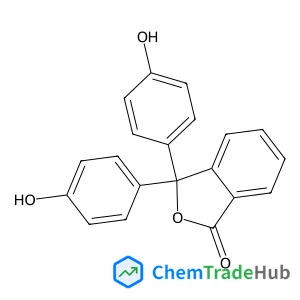
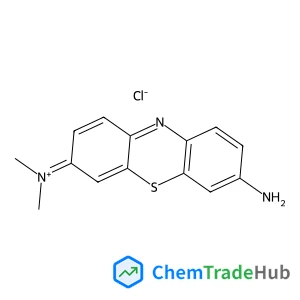
Giemsa stain
CAS Number: 51811-82-6
![Sodium 2-{(E)-[4-(dimethylamino)phenyl]diazenyl}benzoate](https://static.chemtradehub.com/structs/845/845-10-3-5126.webp)
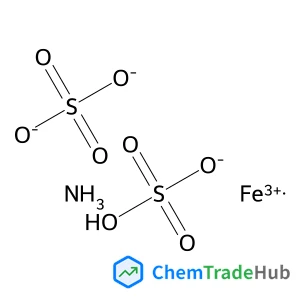
Ammonium iron(3+) sulfate (1:1:2)
CAS Number: 10138-04-2
![Sodium 2-hydroxy-5-[(E)-(3-nitrophenyl)diazenyl]benzoate](https://static.chemtradehub.com/structs/584/584-42-9-8110.webp)
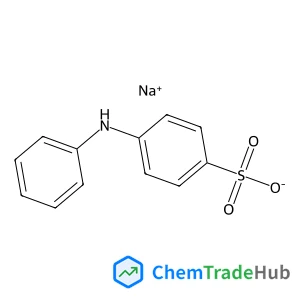
Sodium 4-anilinobenzenesulfonate
CAS Number: 6152-67-6
Other Suppliers for 4-Amino-3-hydroxy-1-naphthalenesulfonic acid



Basic Information
Molecular Formula
C10H9NO4S
Molecular Weight
239.25 g/mol
Physical State
Powder
Physical Properties
Melting Point
290 °C (dec.) (lit.)
Boiling Point
466°C
Flash Point
°C
Chemical Identifiers
SMILES
C1=CC=C2C(=C1)C(=CC(=C2N)O)S(=O)(=O)O
InChIKey
RXCMFQDTWCCLBL-UHFFFAOYSA-N
Database References
MDL Number
MFCD00004019
Beilstein Registry Number
2697469
FAQ
4-Amino-3-hydroxy-1-naphthalenesulfonic acid is a crystalline solid with a molecular weight of approximately 257.2 g/mol. It has a solubility of about 0.42 g/100 mL in water at 25°C. The compound exhibits basic reactivity due to the amino group and acidic reactivity due to the sulfonic acid group. It is slightly reactive in aqueous solutions and is stable under normal conditions, but care must be taken to avoid prolonged exposure to strong bases or oxidizing agents.
4-Amino-3-hydroxy-1-naphthalenesulfonic acid is typically synthesized through a multi-step process involving the sulfonation of naphthalene, followed by nitration and reduction steps. The nitration introduces the sulfonic acid group and the amino group is introduced via reduction of the nitro group. Commonly used catalysts include sulfuric acid, and the process requires careful temperature and pH control to achieve high selectivity and yield.
4-Amino-3-hydroxy-1-naphthalenesulfonic acid is used in a variety of industries, particularly in the pharmaceutical sector for the synthesis of dyes and organic pigments. It is also employed in the polymer industry as a precursor for functionalized polymers and in the electronics industry for sensor applications and semiconductor manufacturing. Additionally, it has applications in environmental monitoring as a dye and in the development of new materials.
When handling 4-Amino-3-hydroxy-1-naphthalenesulfonic acid, it is important to wear appropriate personal protective equipment (PPE) such as gloves, goggles, and a lab coat. Work should be conducted in a well-ventilated area or fume hood to prevent inhalation of fumes. Spills should be cleaned up using appropriate absorbent materials and disposed of according to local regulations. Always refer to the Safety Data Sheet (SDS) for specific handling and disposal instructions. The material is not highly toxic, but care should be taken to avoid skin contact and inhalation of dust or fumes.
Safety Notice
Please verify product specifications and safety data before use. Contact the supplier for detailed safety information.
Always follow proper handling procedures
Contact Information
1253960@qq.com