



AD
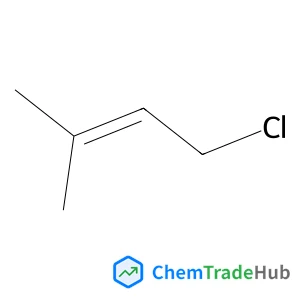
1-Chloro-3-methyl-2-butene(CAS: 503-60-6)
CAS Number
Related Products
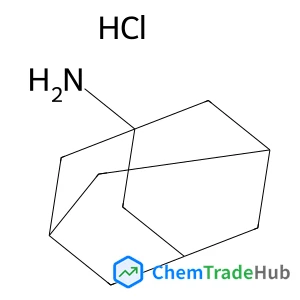
1-Amino Adamantane HCl (Amantadine HCl)
CAS Number: 665-66-7
![3-[9-({4-[(2,5-Dioxo-1-pyrrolidinyl)oxy]-4-oxobutyl}[(4-methylphenyl)sulfonyl]carbamoyl)-10-acridiniumyl]-1-propanesulfonate](https://static.chemtradehub.com/structs/199/199293-83-9-e07b.webp)
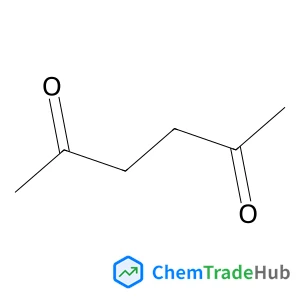
2,5-Hexanedione
CAS Number: 110-13-4
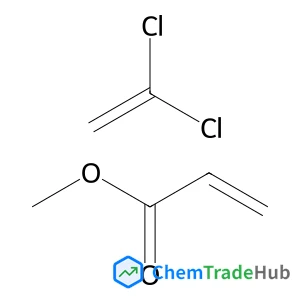
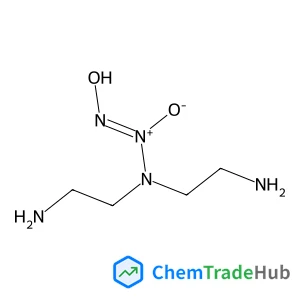
DETA NONOate
CAS Number: 146724-94-9
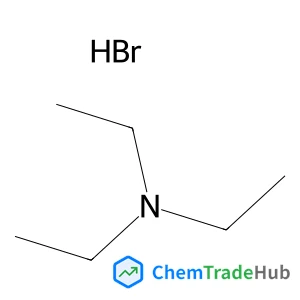
Triethylamine hydrobromide
CAS Number: 636-70-4
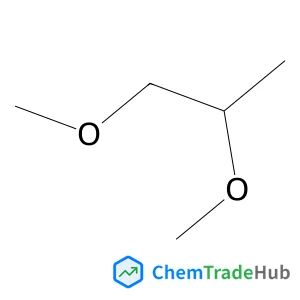
1,2-Dimethoxypropane
CAS Number: 7778-85-0
![Methyl 5-methyl-4-oxo-1,4-dihydropyrrolo[2,1-f][1,2,4]triazine-6-carboxylate](https://static.chemtradehub.com/structs/310/310431-29-9-3e32.webp)
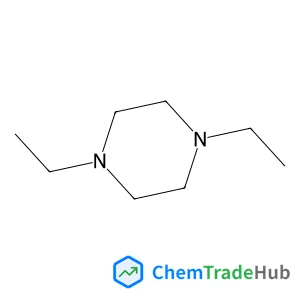
1,4-Diethylpiperazine
CAS Number: 6483-50-7
Other Suppliers for 1-Chloro-3-methyl-2-butene



Basic Information
Molecular Formula
C5H9Cl
Molecular Weight
104.58 g/mol
Physical Properties
Boiling Point
109°C
Water Solubility
Miscible with chloroform, acetone, diethyl ether and alcohol. Immiscible with water.
Chemical Identifiers
SMILES
CC(=CCCl)C
InChIKey
JKXQKGNGJVZKFA-UHFFFAOYSA-N
Database References
MDL Number
MFCD00000982
FAQ
1-Chloro-3-methyl-2-butene (CAS: 503-60-6) falls under the classification of hazardous chemicals according to the GHS system. In the European Union, it is regulated under REACH, which requires manufacturers and importers to register substances if they are produced or imported in quantities of one tonne or more per year. The FDA and EPA may also have specific requirements for its use and disposal. Proper handling, packaging, and labeling are critical to comply with all relevant regulations.
There are several alternatives to 1-Chloro-3-methyl-2-butene (CAS: 503-60-6) that can be used in synthesis. For example, 1-Bromo-3-methyl-2-butene can serve as a halide substitute. Additionally, other methods such as the use of acetylenic compounds or alkynes can be explored depending on the specific reaction requirements and desired product structure.
The market for 1-Chloro-3-methyl-2-butene (CAS: 503-60-6) is primarily driven by its use in organic synthesis and as a precursor for various chemical intermediates. Research trends are focusing on exploring its applications in developing novel materials and pharmaceuticals. The demand is expected to grow with the increasing emphasis on sustainable and green chemistry processes.
Waste containing 1-Chloro-3-methyl-2-butene (CAS: 503-60-6) should be collected in appropriate, leak-proof containers and stored separately. Proper disposal methods include incineration in a controlled environment or through professional waste disposal services. Environmental protection measures should include preventing the release of hazardous substances into the air or water to comply with environmental regulations.
Safety Notice
Please verify product specifications and safety data before use. Contact the supplier for detailed safety information.
Always follow proper handling procedures

Contact Information
Contact Person
Wan Li Rui
1400858822@qq.com
Mobile
13986212397
Telephone
027-59220433
Fax
027-59220433
Visit Website
http://www.hbchenghai.comAddress
Hubei Province Tianmen City Huangtan Town Yaite Village, Group 3