



AD
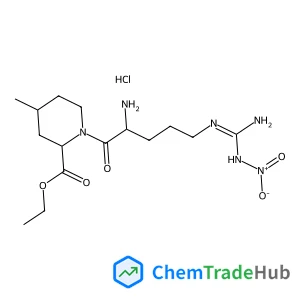
Argatroban Impurity 13 HCl(CAS: 74874-08-1)
CAS Number
Related Products
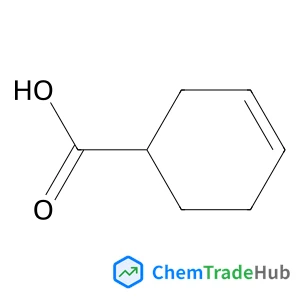
(1S)-3-Cyclohexene-1-carboxylic acid
CAS Number: 5708-19-0
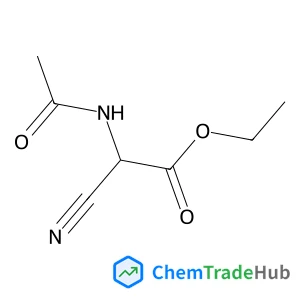
Ethyl Acetamidocyanoacetate
CAS Number: 4977-62-2
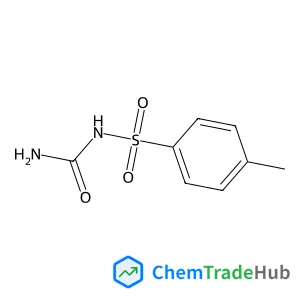
N-Carbamoyl-4-methylbenzenesulfonamide
CAS Number: 1694-06-0
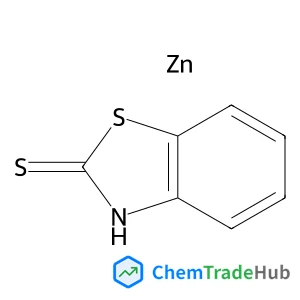
Zinc bis(1,3-benzothiazole-2-thiolate)
CAS Number: 155-04-4
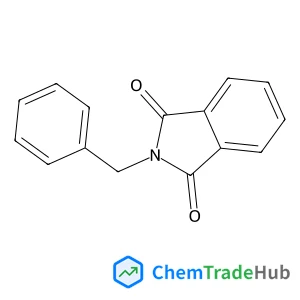
2-Benzyl-1H-isoindole-1,3(2H)-dione
CAS Number: 2142-01-0
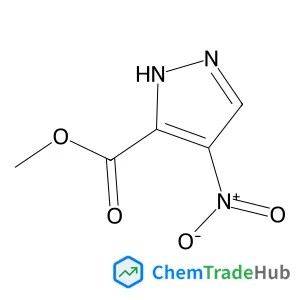
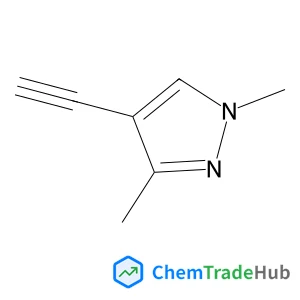
4-Ethynyl-1,3-dimethyl-1H-pyrazole
CAS Number: 61514-53-2
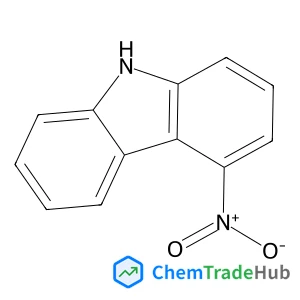
1-Nitro-9H-carbazole
CAS Number: 57905-76-7
Other Suppliers for Argatroban Impurity 13 HCl


Basic Information
Molecular Formula
C15H29ClN6O5
Molecular Weight
408.88 g/mol
Physical Properties
Melting Point
174-177°C
Chemical Identifiers
SMILES
CCOC(=O)C1CC(CCN1C(=O)C(CCCN=C(N)N[N+](=O)[O-])N)C.Cl
InChIKey
KYMBEZAOVMYAGM-QMCLHUHBSA-N
Database References
MDL Number
MFCD11982553
FAQ
Argatroban Impurity 13 HCl is a highly crystalline compound with a molecular weight of approximately 628.74 g/mol. It is sparingly soluble in water but soluble in organic solvents like methanol and ethanol. Chemically, it is stable under normal conditions but is sensitive to strong acids and bases. It shows weak basicity due to the presence of the HCl counterion.
Argatroban Impurity 13 HCl is synthesized via a multi-step process, involving the preparation of the parent compound Argatroban followed by the introduction of the HCl counterion. The synthesis typically requires the use of a Lewis acid as a catalyst and proceeds with high selectivity and moderate yield. The exact details of the reaction conditions and reagents are proprietary.
Argatroban Impurity 13 HCl is primarily used in the pharmaceutical industry as a quality control impurity in Argatroban drug products. It is not used in polymer, semiconductor, or sensor industries. Its presence in pharmaceutical formulations is closely monitored to ensure drug safety and efficacy.
When handling Argatroban Impurity 13 HCl, appropriate personal protective equipment (PPE) including gloves, goggles, and a lab coat should be worn. The compound should be handled in a fume hood to avoid inhalation. Spills should be cleaned up using absorbent materials and the area should be flushed with water. Safety data sheets (SDS) should be readily accessible for reference.
Safety Notice
Please verify product specifications and safety data before use. Contact the supplier for detailed safety information.
Always follow proper handling procedures
Contact Information
jacschem@163.com