



AD
2-Indanol(CAS: 4254-29-9)
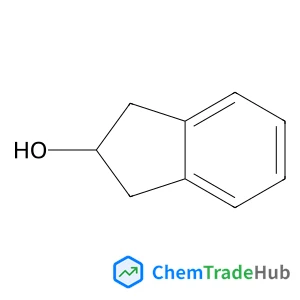
CAS Number
Related Products
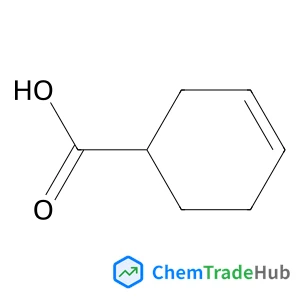
(1S)-3-Cyclohexene-1-carboxylic acid
CAS Number: 5708-19-0
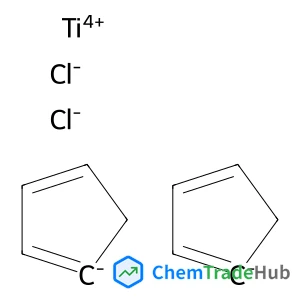
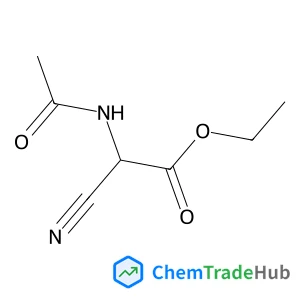
Ethyl Acetamidocyanoacetate
CAS Number: 4977-62-2
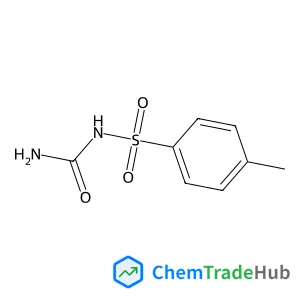
N-Carbamoyl-4-methylbenzenesulfonamide
CAS Number: 1694-06-0
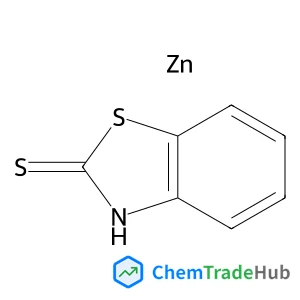
Zinc bis(1,3-benzothiazole-2-thiolate)
CAS Number: 155-04-4
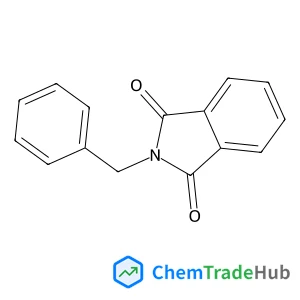
2-Benzyl-1H-isoindole-1,3(2H)-dione
CAS Number: 2142-01-0
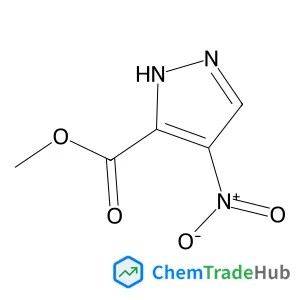
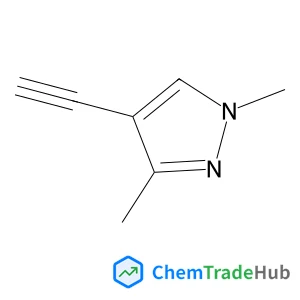
4-Ethynyl-1,3-dimethyl-1H-pyrazole
CAS Number: 61514-53-2
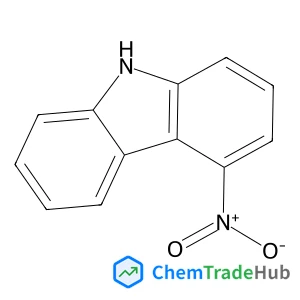
1-Nitro-9H-carbazole
CAS Number: 57905-76-7
Other Suppliers for 2-Indanol





Basic Information
Molecular Formula
C9H10O
Molecular Weight
134.18 g/mol
Physical Properties
Melting Point
68-71 °C (lit.)
Boiling Point
120°C/12mmHg(lit.)
Flash Point
109 ºC
Water Solubility
6 g/L (20 ºC)
Chemical Identifiers
SMILES
C1C(CC2=CC=CC=C21)O
InChIKey
KMGCKSAIIHOKCX-UHFFFAOYSA-N
Database References
MDL Number
MFCD00003800
Beilstein Registry Number
1862567
FAQ
2-Indanol (CAS: 4254-29-9) is a colorless liquid with a distinctive odor. It has a molecular weight of approximately 110.21 g/mol and a density of 0.91 g/cm³. It is moderately soluble in water (10 g/L at 20°C) and miscible with most organic solvents. Chemically, it is mildly reactive and prone to hydrolysis under basic conditions. Its boiling point is around 180°C and its melting point is approximately -14°C.
2-Indanol can be synthesized via the reduction of 2-indanone using hydrogen and a catalyst such as platinum or palladium over carbon. The reaction is performed under mild conditions, with a yield of up to 90%. Other methods include hydrogenation of 2-indanone derivatives or direct reduction of indane with sodium in liquid ammonia.
2-Indanol (CAS: 4254-29-9) is used in a variety of industries. It is an important intermediate in the synthesis of pharmaceuticals, where it is used as a precursor for producing certain drugs. It is also utilized in the production of polymers and as a solvent and plasticizer in the plastics industry. Additionally, it finds applications in the development of sensors and as a component in some semiconductors.
When handling 2-Indanol (CAS: 4254-29-9), it is important to use appropriate personal protective equipment (PPE) such as gloves, goggles, and a lab coat. Work should be conducted in a well-ventilated area or a fume hood to prevent inhalation. Spills should be cleaned up using appropriate absorbents and disposed of according to local regulations. Always consult a Safety Data Sheet (SDS) for specific handling and safety instructions.
Safety Notice
Please verify product specifications and safety data before use. Contact the supplier for detailed safety information.
Always follow proper handling procedures
Contact Information
jacschem@163.com