



AD
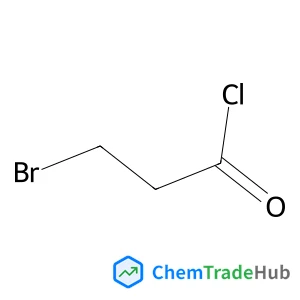
3-Bromopropanoyl chloride(CAS: 15486-96-1)
CAS Number
Related Products
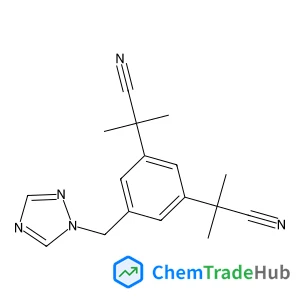
Anastrozole
CAS Number: 120511-73-1
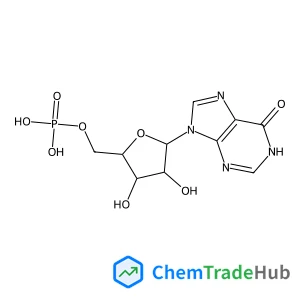
Polyinosinic Acid (90%)
CAS Number: 30918-54-8

2-(Trifluoromethyl)acrylic acid
CAS Number: 381-98-6
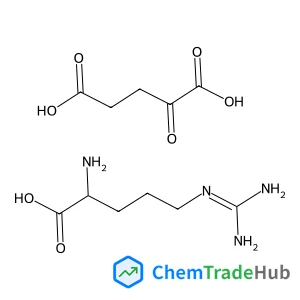
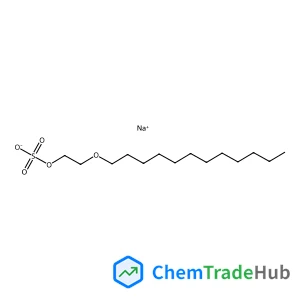
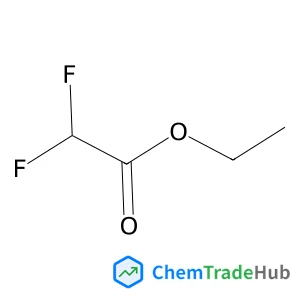
Ethyl difluoroacetate
CAS Number: 454-31-9
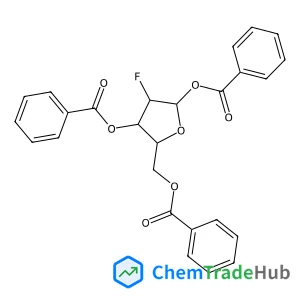
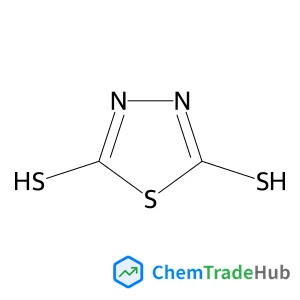
1,3,4-Thiadiazole-2,5-dithiol
CAS Number: 1072-71-5
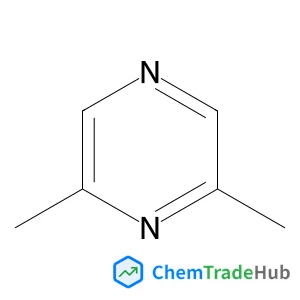
2,6-Dimethylpyrazine
CAS Number: 108-50-9
Other Suppliers for 3-Bromopropanoyl chloride





Basic Information
Molecular Formula
C3H4BrClO
Molecular Weight
171.42 g/mol
Physical Properties
Boiling Point
55-57 °C/17 mmHg(lit.)
Chemical Identifiers
SMILES
C(CBr)C(=O)Cl
InChIKey
IHBVNSPHKMCPST-UHFFFAOYSA-N
Database References
MDL Number
MFCD00000746
FAQ
3-Bromopropanoyl chloride (CAS: 15486-96-1) is a colorless to slightly yellow fuming liquid with a molecular weight of approximately 173.02 g/mol. It has a high vapor pressure and is poorly soluble in water but miscible with most organic solvents. It is highly reactive, particularly with amines and alcohols, and is used in organic synthesis as a brominating agent.
3-Bromopropanoyl chloride (CAS: 15486-96-1) is synthesized by reacting propanoyl chloride with bromine. The reaction is typically conducted in a suitable solvent like methylene chloride under ice-cooling to control the reaction rate and ensure high selectivity. The yield of the product is typically around 80-85%, with the use of a phase transfer catalyst enhancing the reaction efficiency.
3-Bromopropanoyl chloride (CAS: 15486-96-1) is used in various industries, including pharmaceuticals, where it serves as a brominating agent in the synthesis of drug precursors. It is also used in the production of organic compounds, polymers, and sensors. Its use in semiconductor manufacturing processes for specific chemical treatments is also notable.
When handling 3-Bromopropanoyl chloride (CAS: 15486-96-1), it is crucial to use personal protective equipment (PPE) such as gloves, goggles, and a lab coat. Work should be conducted in a well-ventilated fume hood to avoid inhalation of the vapors. Spills should be cleaned up with appropriate absorbents and proper disposal procedures followed. Safety data sheets (SDS) should be consulted for detailed safety instructions and emergency response measures.
Safety Notice
Please verify product specifications and safety data before use. Contact the supplier for detailed safety information.
Always follow proper handling procedures