



AD
2-Methyl-2-propanyl (3-amino-4-pyridinyl)carbamate(CAS: 183311-28-6)
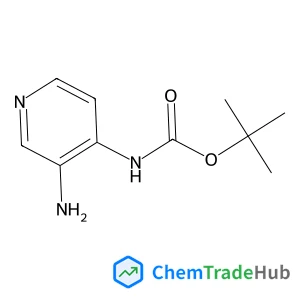
CAS Number
Related Products
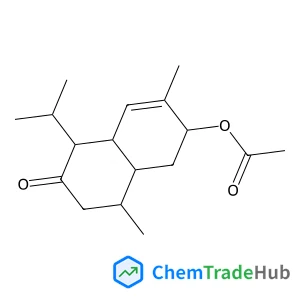
3-Acetoxy-4-cadinen-8-one
CAS Number: 923950-05-4
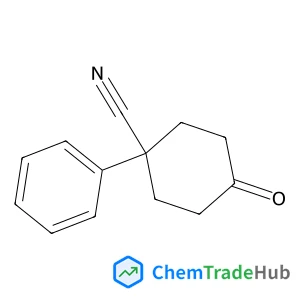
4-Oxo-1-phenylcyclohexanecarbonitrile
CAS Number: 25115-74-6
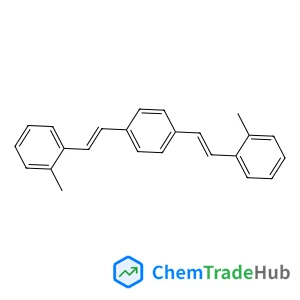
Valiolamine
CAS Number: 83456-22-9
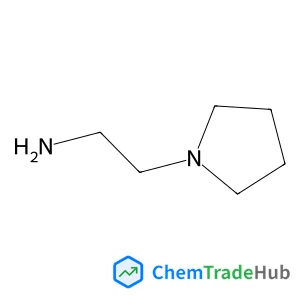
2-(1-Pyrrolidinyl)ethanamine
CAS Number: 7154-73-6
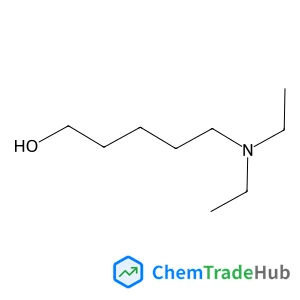
5-(Diethylamino)-1-pentanol
CAS Number: 2683-57-0
![2-Methyl-2-propanyl 4-{[2-(2-aminophenyl)ethyl]amino}-1-piperidinecarboxylate](https://static.chemtradehub.com/structs/783/783368-12-7-e061.webp)
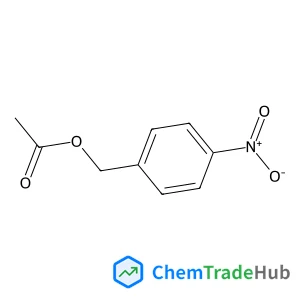
Benzenemethanol, 4-nitro-, 1-acetate
CAS Number: 619-90-9
Other Suppliers for 2-Methyl-2-propanyl (3-amino-4-pyridinyl)carbamate







Basic Information
Molecular Formula
C10H15N3O2
Molecular Weight
209.25 g/mol
Physical Properties
Melting Point
123-127 °C
Chemical Identifiers
SMILES
CC(C)(C)OC(=O)NC1=C(C=NC=C1)N
InChIKey
UVAXTPFOVJAXHO-UHFFFAOYSA-N
Database References
MDL Number
MFCD10699435
FAQ
2-Methyl-2-propanyl (3-amino-4-pyridinyl)carbamate (CAS: 183311-28-6) is subject to regulatory guidelines such as GHS classification, REACH regulations, and FDA/EPA requirements. It is classified as a hazardous material under the Globally Harmonized System of Classification and Labelling of Chemicals (GHS), which includes handling, storage, and disposal guidelines. Additionally, REACH regulations govern the use and import of chemicals within the European Union. Ensure compliance with local and international regulations for its safe handling and transportation.
In synthesis, 2-Methyl-2-proanyl (3-amino-4-pyridinyl)carbamate (CAS: 183311-28-6) can have alternatives such as 2-Phenylethyl (3-amino-4-pyridinyl)carbamate or 2-Ethylhexyl (3-amino-4-pyridinyl)carbamate. These analogs are less toxic and can serve similar functions in certain chemical reactions. Investigate the availability and cost-effectiveness of these alternatives, especially considering their environmental impact and regulatory compliance.
The market for 2-Methyl-2-proanyl (3-amino-4-pyridinyl)carbamate (CAS: 183311-28-6) is driven by its use in pharmaceutical and pesticide industries. Recent research trends focus on its application in developing new antifungal and antibacterial compounds. Market trends indicate a steady demand, with emerging research exploring its potential in personalized medicine and agrochemicals. However, regulatory and safety concerns continue to influence its adoption in new applications.
Waste containing 2-Methyl-2-proanyl (3-amino-4-pyridinyl)carbamate (CAS: 183311-28-6) should be collected and disposed of in accordance with local and international hazardous waste regulations. Incineration is a common method, but professional waste disposal services are recommended for safe destruction. Implement proper environmental protection precautions, such as using protective equipment and ensuring adequate ventilation. Follow GHS guidelines for handling and transport to prevent spillage and environmental contamination.
Safety Notice
Please verify product specifications and safety data before use. Contact the supplier for detailed safety information.
Always follow proper handling procedures

Contact Information
hepeng20160718@foxmail.com
Mobile
13122891558
Telephone
186-16545970
Visit Website
https://www.hepengbio.com/