



AD
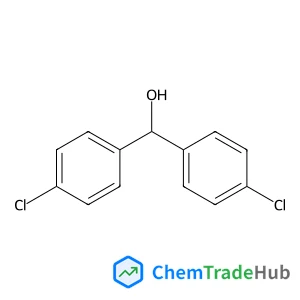
Bis(4-chlorophenyl)methanol(CAS: 90-97-1)
CAS Number
Related Products
![2-Methyl-2-propanyl [(2R)-1-hydroxy-2-propanyl]carbamate](https://static.chemtradehub.com/structs/106/106391-86-0-8397.webp)
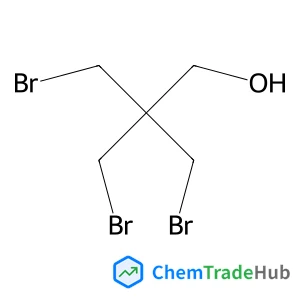
3-Bromo-2,2-bis(bromomethyl)-1-propanol
CAS Number: 1522-92-5
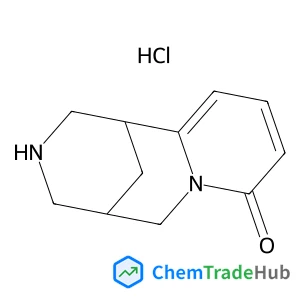
Cytisine hydrochloride
CAS Number: 6047-01-4
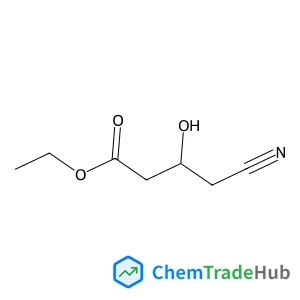
Atorvastatin Impurity 55
CAS Number: 141942-85-0
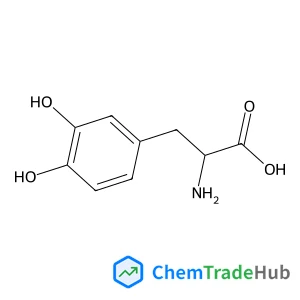
3-Hydroxy-D-tyrosine
CAS Number: 5796-17-8
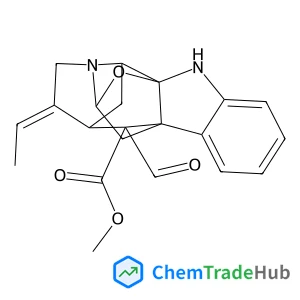
Picralinal
CAS Number: 20045-06-1
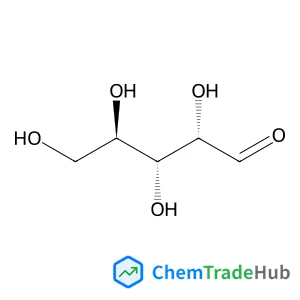
D-Arabinose
CAS Number: 9032-75-1
![(3aS,9R,9aS,9bS)-9-Hydroxy-6,9-dimethyl-3-methylene-3a,4,5,7,8,9,9a,9b-octahydroazuleno[4,5-b]furan-2(3H)-one](https://static.chemtradehub.com/structs/683/68370-47-8-daf4.webp)
Other Suppliers for Bis(4-chlorophenyl)methanol





Basic Information
Molecular Formula
C13H10Cl2O
Molecular Weight
253.13 g/mol
EINECS
202-029-6
Physical State
White to Off-White
Physical Properties
Melting Point
91-95 °C
Boiling Point
386.1±32.0 °C(Predicted)
Density
1.2806 (estimate)
Flash Point
145.5 °C
Water Solubility
Insoluble in water.
Chemical Identifiers
SMILES
C1=CC(=CC=C1C(C2=CC=C(C=C2)Cl)O)Cl
InChIKey
PHUYGURFBULKPA-UHFFFAOYSA-N
Database References
MDL Number
MFCD00000629
Beilstein Registry Number
1878717
FAQ
Bis(4-chlorophenyl)methanol (CAS: 90-97-1) is a white crystalline solid with a molecular weight of approximately 253.06 g/mol. It has a low solubility in water but is soluble in organic solvents like ethanol and acetone. It is relatively stable chemically but can undergo substitution reactions under appropriate conditions. The compound is known for its high reactivity towards nucleophiles and electrophiles.
Bis(4-chlorophenyl)methanol is typically synthesized via the reduction of 4,4'-dichlorobenzaldehyde using a suitable reducing agent like sodium borohydride or lithium aluminum hydride. The reaction is carried out in a suitable solvent such as ethanol or methanol, yielding the product with good selectivity and high yield.
Bis(4-chlorophenyl)methanol (CAS: 90-97-1) is used in various industries including pharmaceuticals, where it serves as a precursor for drug synthesis; in polymers, as a monomer for the formulation of certain resins; and in semiconductors, where it is utilized in the manufacturing of sensors. Its utility in these fields highlights its versatility and importance in chemical applications.
Handling Bis(4-chlorophenyl)methanol (CAS: 90-97-1) requires appropriate personal protective equipment (PPE) such as gloves, goggles, and a lab coat. Work should be conducted in a well-ventilated area or a fume hood to minimize exposure. Spills should be cleaned up with appropriate absorbent materials and disposal handled according to the safety data sheet (SDS). Always consult the SDS for detailed safety information and procedures.
Safety Notice
Please verify product specifications and safety data before use. Contact the supplier for detailed safety information.
Always follow proper handling procedures
Contact Information
2423903095@qq.com