



AD
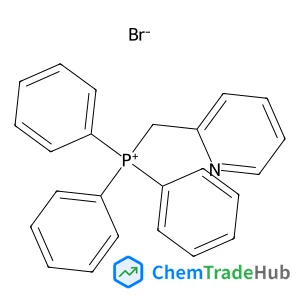
Triphenyl(2-pyridinylmethyl)phosphonium bromide(CAS: 73870-22-1)
CAS Number
Related Products

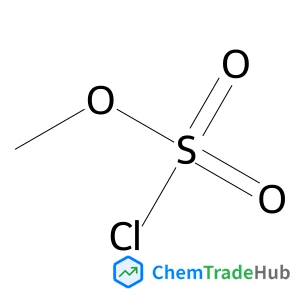
Methyl sulfurochloridate
CAS Number: 812-01-1

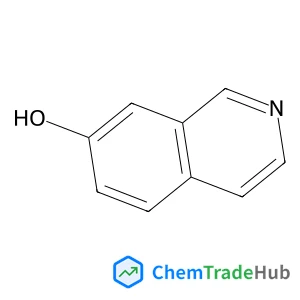
7-Isoquinolinol
CAS Number: 7651-83-4

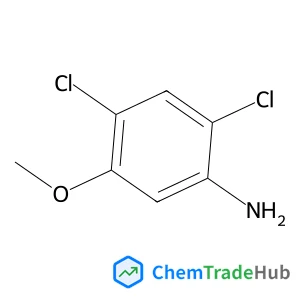
2,4-Dichloro-5-methoxyaniline
CAS Number: 98446-49-2
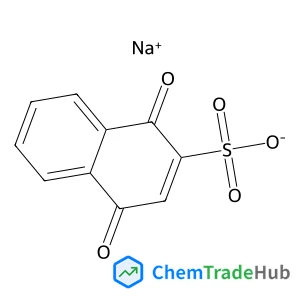
![4-[(1Z)-1-{4-[2-(Dimethylamino)ethoxy]phenyl}-1-phenyl-1-buten-2-yl]phenol](https://static.chemtradehub.com/structs/680/68047-06-3-6527.webp)
Other Suppliers for Triphenyl(2-pyridinylmethyl)phosphonium bromide




Basic Information
Molecular Formula
C24H21BrNP
Molecular Weight
434.31 g/mol
Chemical Identifiers
SMILES
C1=CC=C(C=C1)[P+](CC2=CC=CC=N2)(C3=CC=CC=C3)C4=CC=CC=C4.[Br-]
InChIKey
UCECZWKGWRJAFG-UHFFFAOYSA-M
Database References
MDL Number
MFCD03411777
FAQ
Triphenyl(2-pyridinylmethyl)phosphonium bromide (CAS: 73870-22-1) is regulated under the Globally Harmonized System of Classification and Labelling of Chemicals (GHS), REACH regulations, and FDA/EPA guidelines. It is classified as a hazardous chemical due to its reactive and potentially corrosive properties, requiring appropriate labeling, storage, and handling. Compliance with these regulations is essential to ensure safety and environmental protection.
Several alternatives to triphenyl(2-pyridinylmethyl)phosphonium bromide (CAS: 73870-22-1) can be used in synthesis, such as other phosphonium bromides like diphenyl(2-pyridinylmethyl)phosphonium bromide or triphenyl(2-pyridinylmethyl)phosphonium chloride. These alternatives offer similar functionality but may differ in reactivity and compatibility, making them suitable for specific applications.
The market for triphenyl(2-pyridinylmethyl)phosphonium bromide (CAS: 73870-22-1) is growing due to its use in organic synthesis, particularly in palladium-catalyzed coupling reactions. Research trends indicate increasing interest in its use as a ligand in catalysis and as a functional group modifier. However, the demand is primarily driven by the pharmaceutical and fine chemical industries.
Waste containing triphenyl(2-pyridinylmethyl)phosphonium bromide (CAS: 73870-22-1) should be collected in appropriate containers and stored under controlled conditions to prevent contamination and degradation. It should be disposed of through professional waste disposal services that comply with local regulations. Incineration or chemical treatment may be necessary, depending on local waste disposal regulations and environmental impact assessments. Proper precautions should be taken to ensure safety and environmental protection.
Safety Notice
Please verify product specifications and safety data before use. Contact the supplier for detailed safety information.
Always follow proper handling procedures
Contact Information
2956364593@qq.com