



AD
(4-Bromo-2-pyridinyl)methanol(CAS: 131747-45-0)
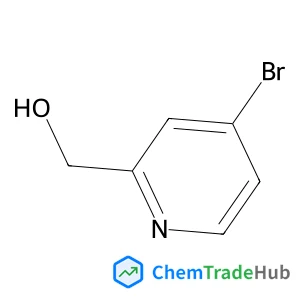
CAS Number
Related Products
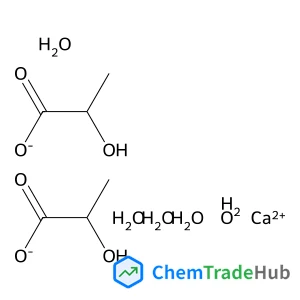
Calcium Lactate Pentahydrate
CAS Number: 5743-47-5
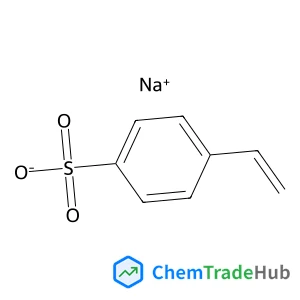
Sodium 4-vinylbenzenesulfonate
CAS Number: 2695-37-6
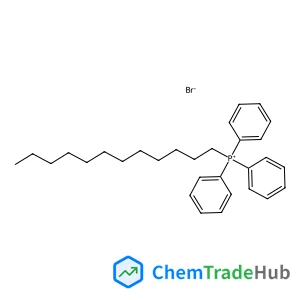
Dodecyl(triphenyl)phosphonium bromide
CAS Number: 15510-55-1
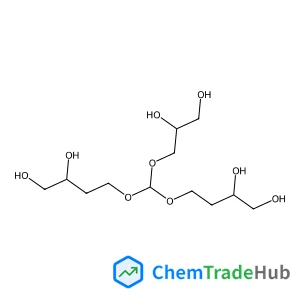
Poly(Propylene Glycol)
CAS Number: 25791-96-2
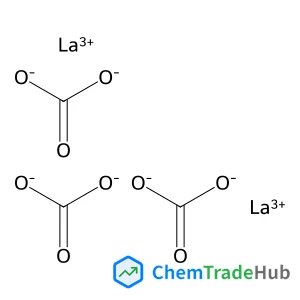
LANTHANUM CARBONATE
CAS Number: 587-26-8
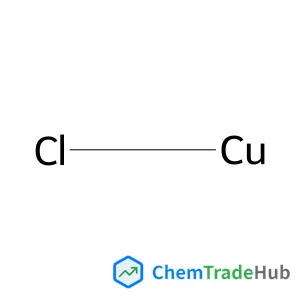
Copper(1+) chloride
CAS Number: 1344-67-8
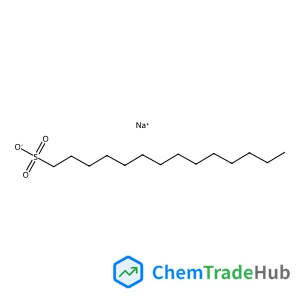
Sodium 1-tetradecanesulfonate
CAS Number: 6994-45-2
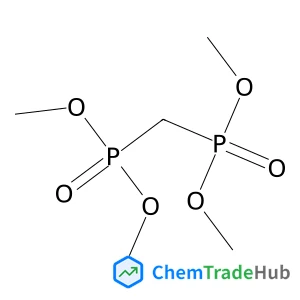
Tetramethyl methylenebis(phosphonate)
CAS Number: 16001-93-7
Other Suppliers for (4-Bromo-2-pyridinyl)methanol








Basic Information
Molecular Formula
C6H6BrNO
Molecular Weight
188.02 g/mol
Physical State
No data available
Physical Properties
Melting Point
52.0 to 56.0 deg-C
Boiling Point
105°C/0.5mmHg(lit.)
Density
1.668
Flash Point
125.7±23.2 °C
Chemical Identifiers
SMILES
C1=CN=C(C=C1Br)CO
InChIKey
MHVUUSQGWMQSMH-UHFFFAOYSA-N
Database References
MDL Number
MFCD09800557
FAQ
The (4-Bromo-2-pyridinyl)methanol (CAS: 131747-45-0) is regulated under GHS classification as a flammable liquid and oxidizer. It is also subject to REACH regulations, requiring registration if manufactured or imported in the EU. FDA may regulate its use in pharmaceuticals, and EPA may have specific handling requirements for waste disposal.
Alternatives to (4-Bromo-2-pyridinyl)methanol include (3-Bromopyridin-2-yl)methanol and 2-pyridinylmethanol. Common substitutes in synthesis include bromopyridine and methanol, which can form the desired intermediate through various reaction pathways.
The market for (4-Bromo-2-pyridinyl)methanol is driven by its use in organic synthesis, particularly in the development of pharmaceuticals and agrochemicals. Research trends focus on its application in drug discovery and as a precursor in complex molecule synthesis. Recent studies highlight its potential in novel drug targets and biocatalysis.
Waste containing (4-Bromo-2-pyridinyl)methanol should be collected in a sealed container and disposed of through a licensed hazardous waste facility. Incineration is a common method, ensuring complete combustion and minimal environmental impact. Proper environmental precautions include neutralization before disposal to prevent soil or water contamination.
Safety Notice
Please verify product specifications and safety data before use. Contact the supplier for detailed safety information.
Always follow proper handling procedures
Contact Information
Contact Person
Manager Shi
1373640151@qq.com