



AD
2-Chloro-4-nitropyridine 1-oxide(CAS: 14432-16-7)
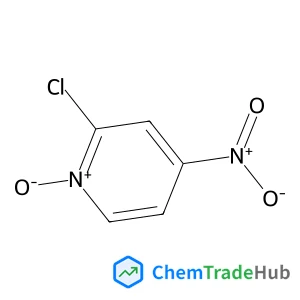
CAS Number
Related Products

6-Isopropyl-3-methyl-2-cyclohexen-1-one
CAS Number: 89-81-6




JHW 007 Hydrochloride
CAS Number: 202645-74-7
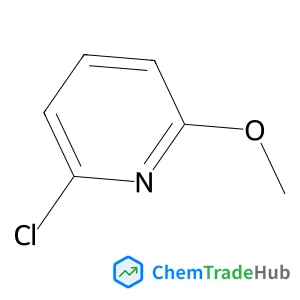
2-Chloro-6-methoxypyridine
CAS Number: 17228-64-7
![2-[(3,5-Difluoro-4-hydroxyphenyl)amino]-5,7-dimethyl-8-(3-methylbutyl)-7,8-dihydro-6(5H)-pteridinone](https://static.chemtradehub.com/structs/501/501437-28-1-d47c.webp)

![3-Bromo-6-(4-morpholinyl)imidazo[1,2-b]pyridazine](https://static.chemtradehub.com/structs/101/1012343-72-4-fe79.webp)
Other Suppliers for 2-Chloro-4-nitropyridine 1-oxide



Basic Information
Molecular Formula
C5H3ClN2O3
Molecular Weight
174.54 g/mol
Physical Properties
Melting Point
151-155 °C (lit.)
Boiling Point
405.9 ºC at 760 mmHg
Density
1.62
Flash Point
223 °F
Chemical Identifiers
SMILES
c1c[n+](c(cc1[N+](=O)[O-])Cl)[O-]
InChIKey
YSTCMHHKDOVZDA-UHFFFAOYSA-N
Database References
MDL Number
MFCD00955617
Beilstein Registry Number
145697
FAQ
2-Chloro-4-nitropyridine 1-oxide (CAS: 14432-16-7) is classified under GHS as a hazardous chemical due to its potential toxicity and reactivity. It falls under REACH regulations in the EU, requiring manufacturers and importers to register the chemical if it is intentionally added to a product. FDA and EPA regulations also apply, particularly for its use in pharmaceuticals and environmental monitoring. Proper disposal and handling must comply with local and international environmental laws.
Several alternatives can be considered in the synthesis of 2-Chloro-4-nitropyridine 1-oxide, including 2-Chloro-4-nitroaniline and 2-Chloro-4-nitro-pyridine. Isomers like 4-Chloro-2-nitropyridine can also be used. Common alternative reagents include chloroacetyl chloride and nitric acid. The choice of alternative depends on the specific application, cost, and availability.
The market for 2-Chloro-4-nitropyridine 1-oxide (CAS: 14432-16-7) is driven by its use in pharmaceuticals, pesticides, and as a research chemical. Recent research trends focus on its use in antiviral drugs and as a building block in organic synthesis. Market trends indicate increasing demand in emerging economies, driven by growing pharmaceutical industries. However, regulatory challenges and safety concerns may impact its use in specific applications.
Waste containing 2-Chloro-4-nitropyridine 1-oxide (CAS: 14432-16-7) should be handled with caution due to its hazardous nature. Collection should be done in sealed containers to prevent leakage. Incineration is a common method for disposal, especially in industrial settings. Alternatively, professional waste disposal services can ensure safe disposal according to local regulations. Environmental protection measures include minimizing exposure and proper labeling of waste containers to avoid accidental spills or contamination.
Safety Notice
Please verify product specifications and safety data before use. Contact the supplier for detailed safety information.
Always follow proper handling procedures
Contact Information
2851717096@qq.com
Mobile
13311756052
Telephone
021-60536361 13311756052 13311756131
Visit Website
http://www.lbchem.cn/