



AD
2-[(Acetylthio)methyl]-3-phenylpropionic Acid(CAS: 91702-98-6)
![2-[(Acetylthio)methyl]-3-phenylpropionic Acid](https://static.chemtradehub.com/structs/917/91702-98-6-f492.webp "2-[(Acetylthio)methyl]-3-phenylpropionic Acid")
CAS Number
Related Products
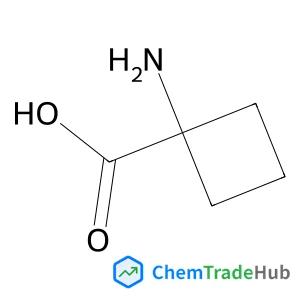
1-Aminocyclobutanecarboxylic acid
CAS Number: 22264-50-2
![Potassium 4-[(4-fluorobenzyl)carbamoyl]-1-methyl-2-(2-{[(5-methyl-1,3,4-oxadiazol-2-yl)carbonyl]amino}-2-propanyl)-5,6-dioxo-1,2,5,6-tetrahydropyrimidin-2-ide](https://static.chemtradehub.com/structs/871/871038-72-1-53e3.webp)
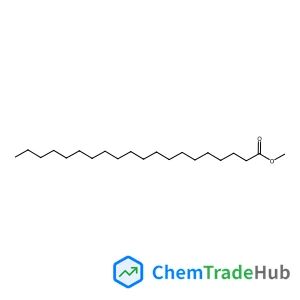
Methyl icosanoate
CAS Number: 1120-28-1
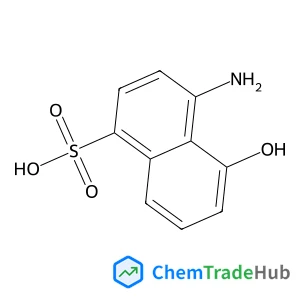
![Imidazo[1,5-a]pyridine](https://static.chemtradehub.com/structs/274/274-47-5-b458.webp)
Imidazo[1,5-a]pyridine
CAS Number: 274-47-5
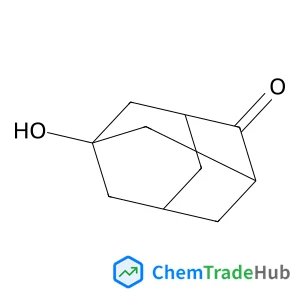
(1R,3S,5s,7s)-5-Hydroxy-2-adamantanone
CAS Number: 20098-14-0
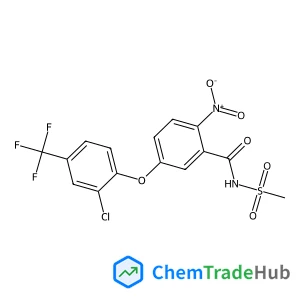
Fomesafen
CAS Number: 72178-02-0
Other Suppliers for 2-[(Acetylthio)methyl]-3-phenylpropionic Acid
![2-[(Acetylthio)methyl]-3-phenylpropionic Acid — East Asia Chemical Co., Ltd. Shandong](https://static.chemtradehub.com/suppliers/67cde87857537e5c8069af31/67cde87857537e5c8069af31-logo.webp)
![2-[(Acetylthio)methyl]-3-phenylpropionic Acid — HePeng ( ShangHai ) Biotechnology Co Ltd](https://static.chemtradehub.com/suppliers/67ceccf22b2de6e8e95a5e0f/67ceccf22b2de6e8e95a5e0f-logo.webp)
![2-[(Acetylthio)methyl]-3-phenylpropionic Acid — ShangHaiJiZhiShengHua Technology Co Ltd](https://static.chemtradehub.com/suppliers/67cecbee2b2de6e8e95a5b72/67cecbee2b2de6e8e95a5b72-logo.webp)
![2-[(Acetylthio)methyl]-3-phenylpropionic Acid — Shanghai Yuyeh Biotechnology Co., Ltd.](https://static.chemtradehub.com/suppliers/67ce9f132b2de6e8e95a48fe/67ce9f132b2de6e8e95a48fe-logo.webp)
Basic Information
Molecular Formula
C12H14O3S
Molecular Weight
238.3 g/mol
Physical State
Powder
Physical Properties
Boiling Point
381.9±35.0 °C at 760 mmHg
Density
1.2±0.1 g/cm3
Flash Point
184.7±25.9 °C
Chemical Identifiers
SMILES
CC(=O)SCC(CC1=CC=CC=C1)C(=O)O
InChIKey
BCAAXVOKLXDSPD-UHFFFAOYSA-N
Database References
MDL Number
MFCD00236751
FAQ
What regulatory guidelines apply to 2-[(Acetylthio)methyl]-3-phenylpropionic Acid (CAS: 91702-98-6)?
This compound must comply with the Globally Harmonized System of Classification and Labelling of Chemicals (GHS) for hazardous materials. In the European Union, it falls under the Registration, Evaluation, Authorization, and Restriction of Chemicals (REACH) regulation. Additionally, the U.S. Food and Drug Administration (FDA) and Environmental Protection Agency (EPA) have specific requirements for its handling and disposal. Ensure all containers are clearly labeled and stored according to relevant safety data sheets (SDS).
Several alternatives can be considered, such as acetylthioacetic acid or phenylpropionic acid. Isomers like 2-(acetylthio)ethyl-3-phenylpropionic acid may also be used. Common alternative reagents include acetyl thioacetate or thioacetic acid. Always evaluate the chemical properties and compatibility of these alternatives before synthesis.
Research on this compound is growing in areas such as drug development and pharmaceutical applications. Market trends indicate increasing demand for novel compounds with specific biological activities. Emerging studies focus on its potential as a pharmacological agent, particularly in the treatment of certain diseases. Stay updated with the latest peer-reviewed articles and patents for detailed market insights.
Waste containing this compound should be collected in a sealed container and stored in a secure location. Dispose of it through a professional waste disposal service that adheres to local and international environmental regulations. Implement proper incineration or chemical neutralization methods to prevent environmental contamination. Always follow strict safety protocols and consult the latest safety data sheet (SDS) for detailed handling instructions.
Safety Notice
Please verify product specifications and safety data before use. Contact the supplier for detailed safety information.
Always follow proper handling procedures
Contact Information
new_great@163.com