



AD
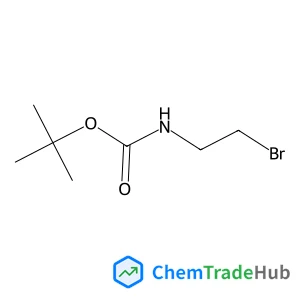
2-Methyl-2-propanyl (2-bromoethyl)carbamate(CAS: 39684-80-5)
CAS Number
Related Products
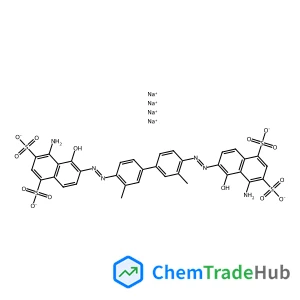
Evans blue
CAS Number: 314-13-6
![Sodium;2-[3,5-bis(2-hydroxyethyl)-1,3,5-triazinan-1-yl]ethanolate](https://static.chemtradehub.com/structs/904/9041-08-1-f8b0.webp)
![acetoxy-[[2-(bis-o-tolylphosphanyl)phenyl]methyl]palladium](https://static.chemtradehub.com/structs/172/172418-32-5-5ae9.webp)
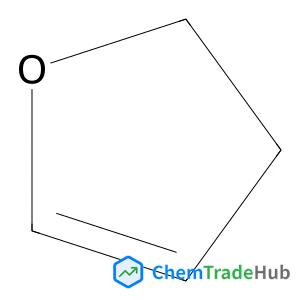
2,3-Dihydrofuran
CAS Number: 1191-99-7
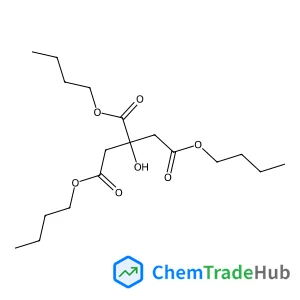
Tributyl citrate
CAS Number: 77-94-1
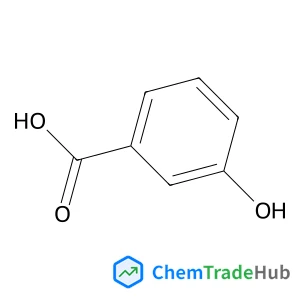
3-Hydroxybenzoic acid
CAS Number: 99-06-9
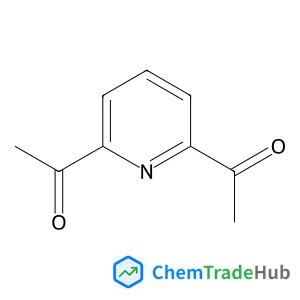
1,1'-(2,6-Pyridinediyl)diethanone
CAS Number: 1129-30-2
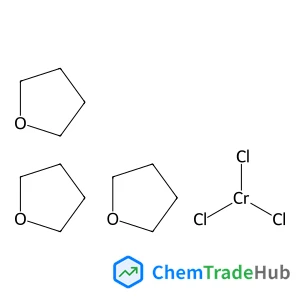
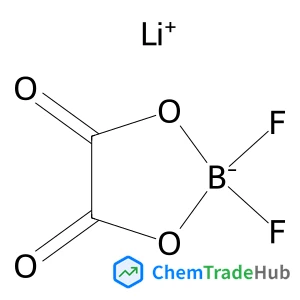
Lithium difluoro(oxalato)borate
CAS Number: 409071-16-5
Other Suppliers for 2-Methyl-2-propanyl (2-bromoethyl)carbamate




Basic Information
Molecular Formula
C7H14BrNO2
Molecular Weight
224.1 g/mol
Physical Properties
Melting Point
30-32 °C (lit.)
Boiling Point
262.2℃ at 760 mmHg
Density
1.321 g/cm3
Flash Point
112.4 °C
Chemical Identifiers
SMILES
CC(C)(C)OC(=O)NCCBr
InChIKey
TZRQZPMQUXEZMC-UHFFFAOYSA-N
Database References
MDL Number
MFCD02683428
Beilstein Registry Number
2325117
FAQ
2-Methyl-2-propanyl (2-bromoethyl)carbamate is a colorless liquid with a molecular weight of approximately 215.03 g/mol. It has a high boiling point of around 120°C and a low solubility in water. This compound is reactive towards nucleophiles and can undergo nucleophilic substitution reactions. It is commonly used in organic synthesis and as a reactant in various chemical processes.
2-Methyl-2-propanyl (2-bromoethyl)carbamate is typically synthesized through the reaction of 2-bromopropanol with methyl isocyanate in the presence of a suitable base such as potassium carbonate. The process involves mild heating and stirring to achieve a high yield of the desired product. This method is both efficient and selective.
2-Methyl-2-propanyl (2-bromoethyl)carbamate is primarily utilized in the pharmaceutical and fine chemical industries for the synthesis of various organic compounds. It is also used in the polymer industry for the modification of polymers and in the electronics sector for the development of sensor materials and semiconductor applications.
When handling 2-Methyl-2-propanyl (2-bromoethyl)carbamate, it is crucial to wear appropriate personal protective equipment (PPE) such as gloves, goggles, and a lab coat. Work should be conducted in a well-ventilated area or a fume hood to avoid inhalation of vapors. Spills should be cleaned up immediately using appropriate absorbent materials, and the area should be properly ventilated. Always refer to the Material Safety Data Sheet (MSDS) for detailed safety information and emergency procedures.
Safety Notice
Please verify product specifications and safety data before use. Contact the supplier for detailed safety information.
Always follow proper handling procedures

Contact Information
Contact Person
Li Shuang
lishuang@hwrkchemical.com
Mobile
13269663372
Telephone
010-89508211
Visit Website
http://www.hwrkchemical.comAddress
No. 10 Building, 5th Floor, Unit 501-044, Liuxiang Road, Fengtai District, Beijing