



AD
1,2,3,4-Tetrahydro-7-isoquinolinamine(CAS: 72299-68-4)
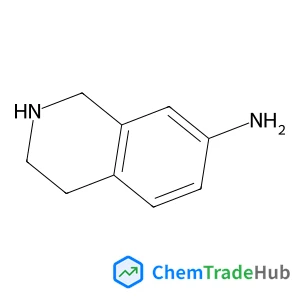
CAS Number
Related Products
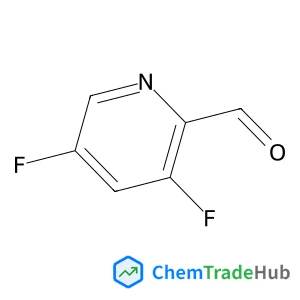
3,5-Difluoro-2-pyridinecarbaldehyde
CAS Number: 780801-58-3
![2-Methyl-2-propanyl 2,5-diazabicyclo[2.2.2]octane-2-carboxylate](https://static.chemtradehub.com/structs/858/858671-91-7-3b32.webp)
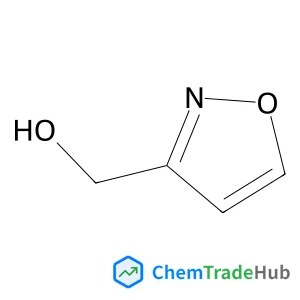
3-Isoxazolemethanol
CAS Number: 89102-73-8
![2-Bromothieno[2,3-c]pyridine](https://static.chemtradehub.com/structs/756/756477-36-8-8240.webp)
2-Bromothieno[2,3-c]pyridine
CAS Number: 756477-36-8
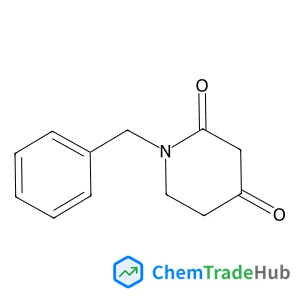
1-Benzyl-2,4-piperidinedione
CAS Number: 70571-31-2
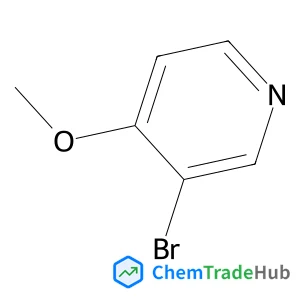
3-Bromo-4-methoxypyridine
CAS Number: 82257-09-8
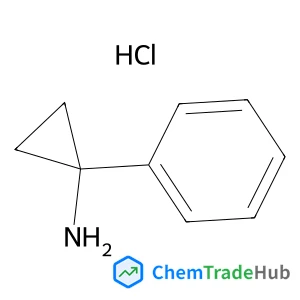

3-Fluorobenzenecarbothioamide
CAS Number: 72505-20-5
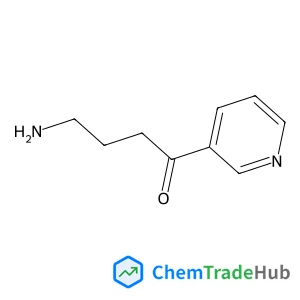
4-Amino-1-(3-pyridinyl)-1-butanone
CAS Number: 71278-11-0
Other Suppliers for 1,2,3,4-Tetrahydro-7-isoquinolinamine






Basic Information
Molecular Formula
C9H12N2
Molecular Weight
148.21 g/mol
Physical State
Solid
Physical Properties
Boiling Point
315.9℃ at 760 mmHg
Chemical Identifiers
SMILES
C1CNCC2=C1C=CC(=C2)N
InChIKey
VMEDBFRQSKKEEQ-UHFFFAOYSA-N
Database References
MDL Number
MFCD04973399
FAQ
1,2,3,4-Tetrahydro-7-isoquinolinamine (CAS: 72299-68-4) is classified under the Globally Harmonized System of Classification and Labelling of Chemicals (GHS) as a skin and eye irritant. It is also regulated under the REACH (Registration, Evaluation, Authorisation and Restriction of Chemicals) framework in the European Union, requiring suppliers to register the substance if it meets certain tonnage thresholds. In the United States, the EPA regulates this compound under the Toxic Substances Control Act (TSCA) for certain uses, and the FDA may regulate it if it's used in pharmaceuticals or food additives.
Several alternatives to 1,2,3,4-Tetrahydro-7-isoquinolinamine (CAS: 72299-68-4) exist for synthetic purposes. Common alternatives include 7-chloroisoquinoline and 7-methylisoquinoline, which can be used as starting materials or intermediates in similar reactions. Additionally, using different functional groups or structural modifications can lead to the synthesis of related compounds with similar properties.
The market for 1,2,3,4-Tetrahydro-7-isoquinolinamine (CAS: 72299-68-4) is currently stable, with increasing interest in its use as a pharmaceutical intermediate due to its potential as a modulator of various biological pathways. Research trends are focusing on its application in the development of new drugs for treating neurological and inflammatory conditions. The market is also seeing advancements in synthetic methods and formulations to improve its efficacy and safety.
Waste containing 1,2,3,4-Tetrahydro-7-isoquinolinamine (CAS: 72299-68-4) should be collected in appropriate, labeled containers and stored in a secure, well-ventilated area. Incineration is a common method for disposal, and professional waste disposal services should be used. Under certain conditions, it may also be possible to recover and reprocess the compound. Always consult local regulations and environmental protection guidelines for specific disposal procedures to ensure compliance and environmental safety.
Safety Notice
Please verify product specifications and safety data before use. Contact the supplier for detailed safety information.
Always follow proper handling procedures
Contact Information
info@carlowchem.com