



AD
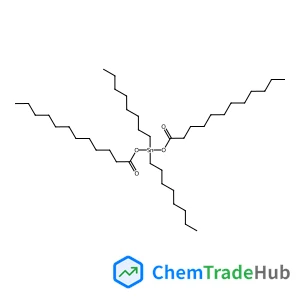
Dioctyldilauryltin ( >90%)(CAS: 3648-18-8)
CAS Number
Related Products
![2-Chloro-10-[3-(4-methyl-1-piperazinyl)propyl]-10H-phenothiazine](https://static.chemtradehub.com/structs/58-/58-38-8-9a44.webp)
![(2S)-2-Amino-4-[(2-methyl-2-propanyl)oxy]-4-oxobutanoic acid](https://static.chemtradehub.com/structs/305/3057-74-7-60dc.webp)
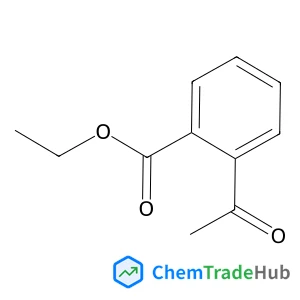
Ethyl 2-acetylbenzoate
CAS Number: 103935-10-0
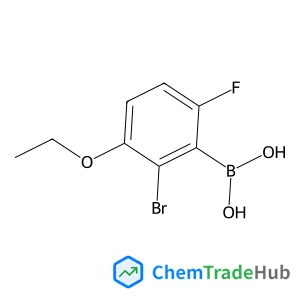
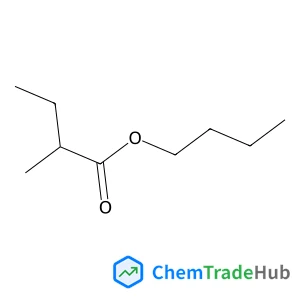
Butanoic acid, 2-methyl-, butyl ester
CAS Number: 15706-73-7
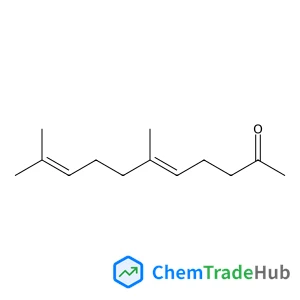
6,10-Dimethyl-5,9-undecadien-2-one
CAS Number: 689-67-8
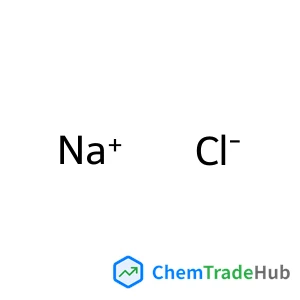
Sodium chloride
CAS Number: 7647-14-5
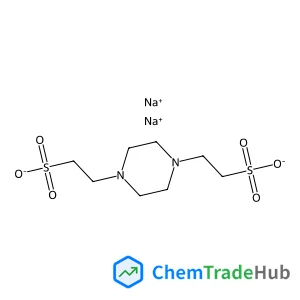
Other Suppliers for Dioctyldilauryltin ( >90%)




Basic Information
Molecular Formula
C40H80O4Sn
Molecular Weight
743.79 g/mol
Physical Properties
Melting Point
17-18°C
Flash Point
70°C
Chemical Identifiers
SMILES
CCCCCCCCCCCC(=O)O[Sn](CCCCCCCC)(CCCCCCCC)OC(=O)CCCCCCCCCCC
InChIKey
XQBCVRSTVUHIGH-UHFFFAOYSA-L
Database References
MDL Number
MFCD00026557
Beilstein Registry Number
4043424
FAQ
Dioctyldilauryltin (CAS: 3648-18-8) is a crystalline solid with a high molecular weight. It has limited solubility in water but is soluble in organic solvents such as toluene and dichloromethane. This compound is known for its reactivity in catalyzing the polymerization of certain monomers, particularly in the production of polyurethane. Its stability and reactivity make it an important catalyst in various industrial processes.
Dioctyldilauryltin (CAS: 3648-18-8) is synthesized through the reaction of octadecyltin dichloride and dilauryl dimethylbenzyl ammonium chloride. Commonly, this involves multi-step processes including the condensation of tin compounds and alkylating agents. The synthesis typically requires precise temperature control and the use of anhydrous conditions to achieve high yields and selectivity.
Dioctyldilauryltin (CAS: 3648-18-8) is widely used in the polymer industry, particularly in the synthesis of polyurethane and polyurea materials. It is also utilized in the production of coatings, adhesives, and sealants. Additionally, this compound plays a role in the manufacturing of semiconductors and as a catalyst in various chemical reactions, contributing to its versatility across multiple industries.
When handling Dioctyldilauryltin (CAS: 3648-18-8), appropriate personal protective equipment (PPE) such as gloves, goggles, and a lab coat is essential. Work should be conducted in a well-ventilated area or fume hood to minimize inhalation risks. Spills should be cleaned up immediately using appropriate absorbent materials, and the area should be well-ventilated. Always refer to the Material Safety Data Sheet (MSDS) for detailed safety information and emergency procedures.
Safety Notice
Please verify product specifications and safety data before use. Contact the supplier for detailed safety information.
Always follow proper handling procedures
Contact Information
Contact Person
Hu Gebing
2369399482@qq.com