



AD
3,3-Diethoxy-1-propyne(CAS: 10160-87-9)
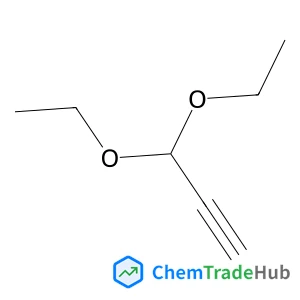
CAS Number
Related Products
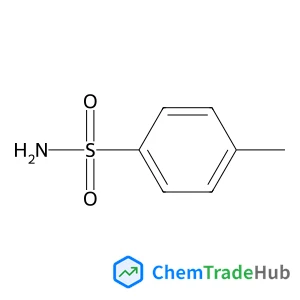
4-methylbenzene-1-sulfonamide
CAS Number: 70-55-3
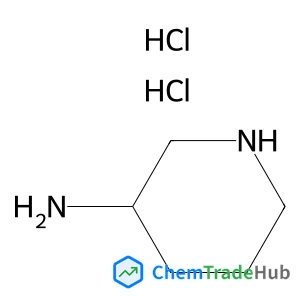
Alogliptin Impurity 18 DiHCl
CAS Number: 334618-23-4
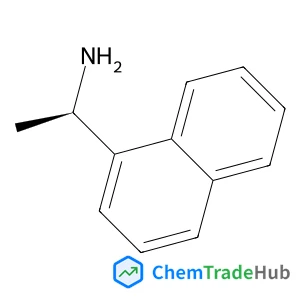
(1R)-1-(1-Naphthyl)ethanamine
CAS Number: 3886-70-2
![7-[(3-Chloro-6-methyl-5,5-dioxido-6,11-dihydrodibenzo[c,f][1,2]thiazepin-11-yl)amino]heptanoic acid](https://static.chemtradehub.com/structs/669/66981-73-5-f5e3.webp)
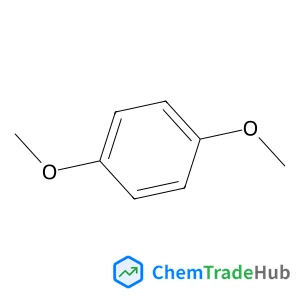
1,4-Dimethoxybenzene
CAS Number: 150-78-7
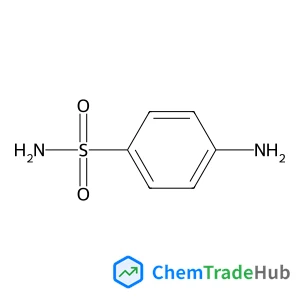
4-Aminobenzenesulfonamide
CAS Number: 63-74-1
![Tert-butyl (3S)-3-(2-oxo-1,2-dihydro-3H-imidazo[4,5-B]pyridin-3-YL)pyrrolidine-1-carboxylate](https://static.chemtradehub.com/structs/210/2108160-45-6-a26f.webp)
![(1R,2S)-1-({[(2-Methyl-2-propanyl)oxy]carbonyl}amino)-2-vinylcyclopropanecarboxylic acid](https://static.chemtradehub.com/structs/159/159622-10-3-0c0d.webp)
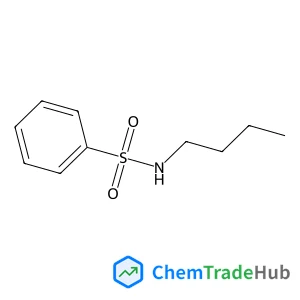
N-Butylbenzenesulfonamide
CAS Number: 3622-84-2
Other Suppliers for 3,3-Diethoxy-1-propyne





Basic Information
Molecular Formula
C7H12O2
Molecular Weight
128.17 g/mol
Physical Properties
Boiling Point
138-139.5 °C(lit.)
Water Solubility
Slightly soluble in water.
Chemical Identifiers
SMILES
CCOC(C#C)OCC
InChIKey
RGUXEWWHSQGVRZ-UHFFFAOYSA-N
Database References
MDL Number
MFCD00009237
Beilstein Registry Number
1701566
FAQ
3,3-Diethoxy-1-propyne (CAS: 10160-87-9) falls under the classification of flammable liquids under the Globally Harmonized System of Classification and Labeling of Chemicals (GHS). It is also subject to REACH regulations in the European Union, which require registration and evaluation of substances. In the United States, the EPA and FDA have specific regulations for the handling and use of this compound due to its flammability and potential health hazards.
In synthesis, 3,3-Diethoxy-1-propyne (CAS: 10160-87-9) can be replaced by similar functional groups such as other alkyne derivatives or alternative reagents like acetylene. Isomers and analogs, such as ethynyl ethyl ether, can also serve as viable substitutes depending on the specific reaction requirements.
The market for 3,3-Diethoxy-1-propyne (CAS: 10160-87-9) is primarily driven by its use in the synthesis of various organic compounds. Research trends in this area are focusing on developing more efficient and environmentally friendly synthesis methods. Additionally, there is a growing interest in exploring the use of this compound in specialized industries such as pharmaceuticals and materials science.
Waste containing 3,3-Diethoxy-1-propyne (CAS: 10160-87-9) should be collected in appropriate containers and stored in a well-ventilated area. The waste should be disposed of through professional waste disposal services due to its flammability. Environmental precautions should be taken to prevent any potential environmental hazards. Incineration is a common method for disposing of this waste, but it should be done in a controlled and compliant manner to avoid air pollution.
Safety Notice
Please verify product specifications and safety data before use. Contact the supplier for detailed safety information.
Always follow proper handling procedures
Contact Information
Contact Person
Chai Bin
sales7@jinjingroup.com
Mobile
13456132869
Telephone
0574-87635785
Visit Website
https://www.jinjingroup.comAddress
Wanxiang Riverjing Industrial Zone, Riverjing City, Shanxi Province