



AD
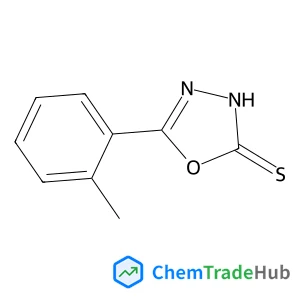
5-(2-Methylphenyl)-1,3,4-oxadiazole-2(3H)-thione(CAS: 2503-66-4)
CAS Number
Related Products
![[4-(Benzyloxy)phenoxy]acetic acid](https://static.chemtradehub.com/structs/385/38559-92-1-ef35.webp)
[4-(Benzyloxy)phenoxy]acetic acid
CAS Number: 38559-92-1
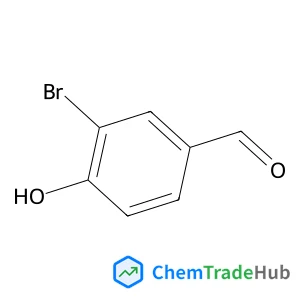
3-Bromo-4-hydroxybenzaldehyde
CAS Number: 2973-78-6

2-Hydroxyterephthalic acid
CAS Number: 636-94-2
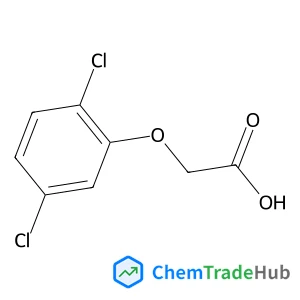
2,5-Dichlorophenoxyacetic acid
CAS Number: 582-54-7
Other Suppliers for 5-(2-Methylphenyl)-1,3,4-oxadiazole-2(3H)-thione




Basic Information
Molecular Formula
C9H8N2OS
Molecular Weight
192.24 g/mol
Physical Properties
Melting Point
181-182℃
Chemical Identifiers
SMILES
CC1=CC=CC=C1C2=NNC(=S)O2
InChIKey
HNFIJWNVPWXSOL-UHFFFAOYSA-N
Database References
MDL Number
MFCD00992514
FAQ
5-(2-Methylphenyl)-1,3,4-oxadiazole-2(3H)-thione (CAS: 2503-66-4) is a crystalline solid with a molecular weight of approximately 214.23 g/mol. It has a moderate solubility in common organic solvents such as ethanol and acetone. The compound is known for its good thermal stability and moderate reactivity, particularly towards nucleophilic substitution reactions. It can be sensitive to moisture and air, requiring dry storage conditions.
5-(2-Methylphenyl)-1,3,4-oxadiazole-2(3H)-thione is typically synthesized via the condensation of 2-methylphenyl isothiocyanate with oxalic acid dihydrazide. The reaction proceeds at room temperature with good yield and selectivity. The use of a mild base such as pyridine can enhance the reaction efficiency and product purity.
5-(2-Methylphenyl)-1,3,4-oxadiazole-2(3H)-thione (CAS: 2503-66-4) finds applications in various industries, including pharmaceuticals, where it serves as a precursor for drug synthesis. It is also used in polymers for its flame-retardant properties, in sensors for its gas detection capabilities, and in semiconductors for its potential use in electronic devices. Its versatile properties make it valuable in material science and chemical research.
When handling 5-(2-Methylphenyl)-1,3,4-oxadiazole-2(3H)-thione (CAS: 2503-66-4), it is essential to wear appropriate personal protective equipment (PPE), including gloves, goggles, and a lab coat, to prevent direct contact and inhalation. Work should be conducted in a well-ventilated area or a fume hood. Spills should be cleaned up using appropriate absorbent materials, and the area should be thoroughly ventilated. For detailed safety information, refer to the material safety data sheet (MSDS/SDS).
Safety Notice
Please verify product specifications and safety data before use. Contact the supplier for detailed safety information.
Always follow proper handling procedures