



AD
(2alpha,3alpha,5alpha,16alpha,17alpha)-2,3:16,17-Diepoxyandrostan-17-yl acetate(CAS: 50588-22-2)
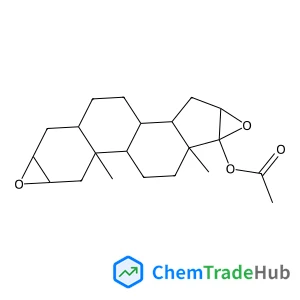
CAS Number
Related Products
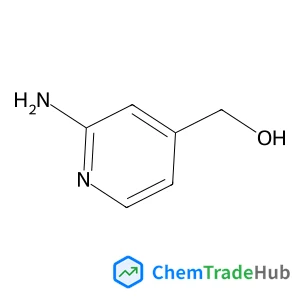
(2-Amino-4-pyridinyl)methanol
CAS Number: 105250-17-7
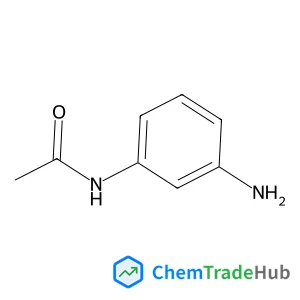
N-(3-Aminophenyl)acetamide
CAS Number: 102-28-3
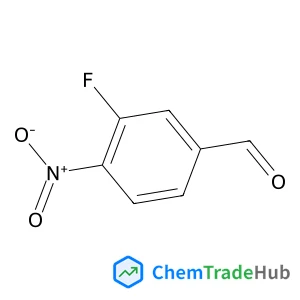
3-Fluoro-4-nitrobenzaldehyde
CAS Number: 160538-51-2
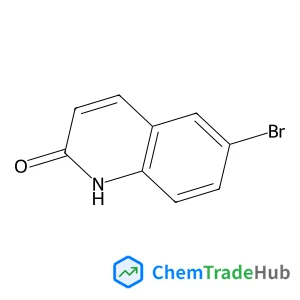
6-Bromo-2(1H)-quinolinone
CAS Number: 1810-66-8
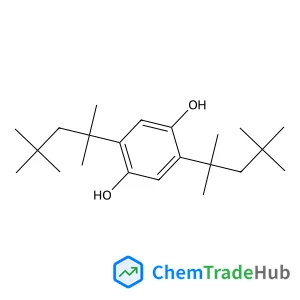
![N,N-Dimethyl-N-[3-(trimethoxysilyl)propyl]-1-octadecanaminium chloride](https://static.chemtradehub.com/structs/276/27668-52-6-f54e.webp)
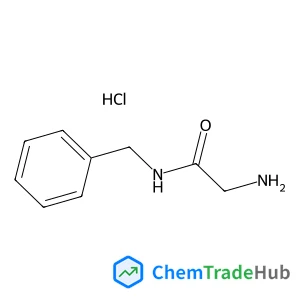
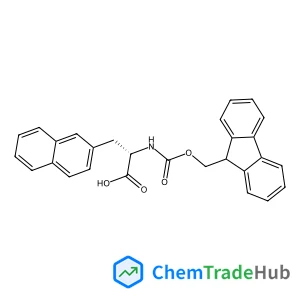
Fmoc-2-Nal-OH
CAS Number: 112883-43-9
Other Suppliers for (2alpha,3alpha,5alpha,16alpha,17alpha)-2,3:16,17-Diepoxyandrostan-17-yl acetate






Basic Information
Molecular Formula
C21H30O4
Molecular Weight
346.47 g/mol
Chemical Identifiers
SMILES
CC(=O)OC12C(O1)CC3C2(CCC4C3CCC5C4(CC6C(C5)O6)C)C
InChIKey
AEFVYXKODUCZPV-YMXFGFFISA-N
Database References
MDL Number
MFCD24679066
FAQ
This compound is subject to regulatory guidelines under the Globally Harmonized System of Classification and Labeling of Chemicals (GHS), REACH regulations in Europe, and FDA/EPA requirements in the United States. Manufacturers and importers must ensure compliance with these guidelines, including proper labeling, classification, and documentation. Additionally, specific local regulations and permits may be required based on the intended use and location of operation.
There are several alternatives to this compound in synthetic processes, such as using isomers, analogs like androstenediones, or other steroidal compounds. Common alternative reagents include acetophenone, cyclopentanone, and various epoxides. These alternatives can offer similar functionalities with potentially different synthetic pathways and reactivity profiles.
The market for this compound shows increasing interest due to its potential applications in research and development, particularly in pharmaceuticals and steroid chemistry. Recent trends indicate growing research efforts in exploring its effects on cellular pathways and its potential use in therapeutic treatments. Market trends also reflect increasing demand from academic and industrial research institutions.
Waste containing this compound should be collected in proper containers and stored in a secure area to prevent leakage. It should be disposed of through professional waste disposal services that comply with local and international hazardous waste regulations. Incineration or other environmentally friendly disposal methods should be used, and all disposal activities must be documented to ensure compliance with environmental protection laws and regulations.
Safety Notice
Please verify product specifications and safety data before use. Contact the supplier for detailed safety information.
Always follow proper handling procedures
Contact Information
Contact Person
Manager Gong
3663049642@qq.com